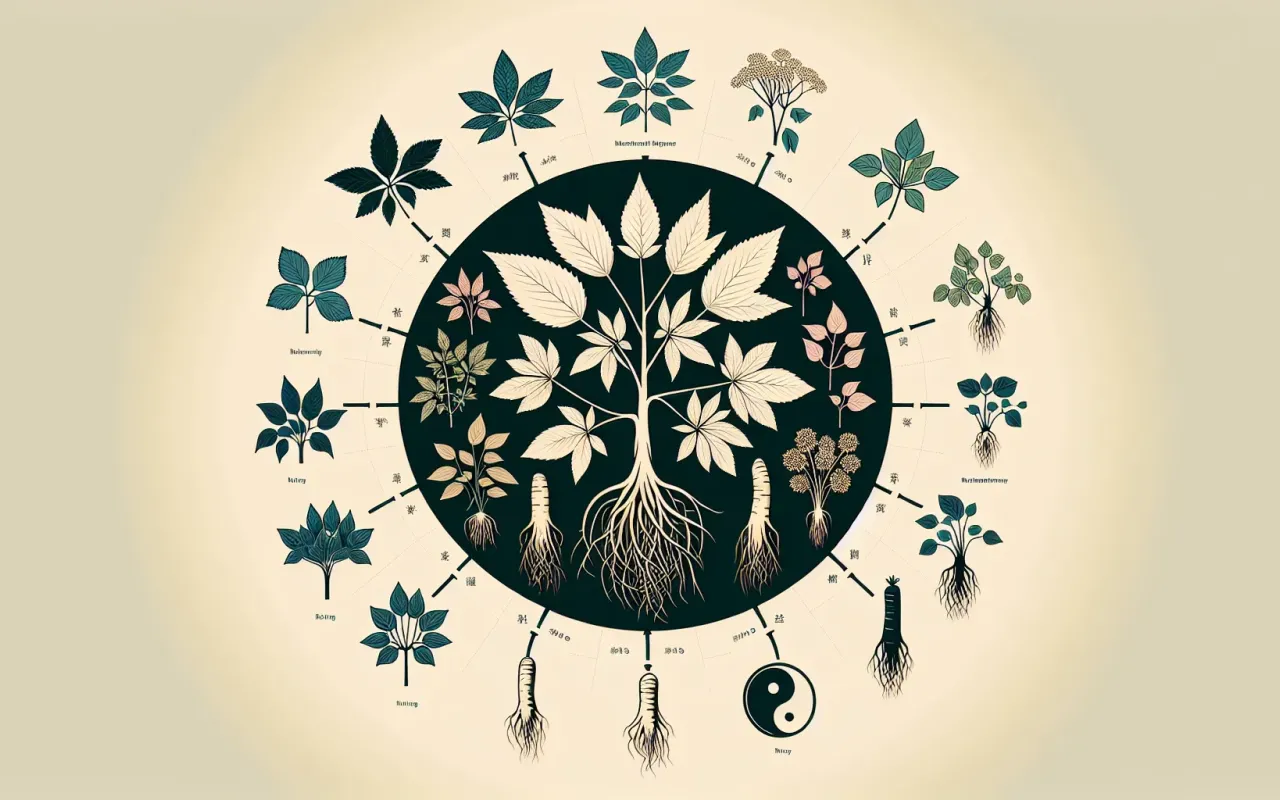
Explore the different types of ginseng used in TCM, understand their unique benefits, and how they contribute to holistic health and wellness.
- August 12, 2024
Introduction:
Traditional Chinese Medicine (TCM) has long recognized the myriad benefits of ginseng, an adaptogenic herb prized for its ability to support overall health and vitality. With various types of ginseng available, each possessing unique properties and benefits, it can be difficult to discern which variety is most suitable for one's needs. This comprehensive guide aims to elucidate the different types of ginseng used in TCM, their specific benefits, and how they contribute to holistic health and wellness.
1. Panax Ginseng (Asian Ginseng)
Overview
Panax ginseng, commonly known as Asian or Korean ginseng, is one of the most well-studied and highly regarded forms of ginseng within TCM. Known for its warming properties, Panax ginseng is often recommended to invigorate qi (vital energy) and strengthen overall vitality.
Key Benefits
- Energy and Stamina: Enhances physical and mental performance, combats fatigue.
- Immune Support: Bolsters the immune system and helps the body resist stress.
- Cognitive Function: Improves memory, concentration, and mental clarity.
Usage in TCM
Panax ginseng is often used in TCM to address conditions related to qi deficiency, such as general weakness, poor concentration, and fatigue. It is commonly included in tonic formulas designed to replenish energy and improve overall well-being.
2. Panax Quinquefolius (American Ginseng)
Overview
Panax quinquefolius, or American ginseng, is known for its cooling properties, making it particularly useful for individuals with excessive heat (yang) in their system. American ginseng is valued for its gentler, more nourishing effects compared to other varieties.
Key Benefits
- Cooling and Balancing: Helps cool the body and maintain yin-yang balance.
- Hydration: Promotes fluid production and addresses dryness-related conditions.
- Relaxation: Supports a calm mind and reduces stress.
Usage in TCM
American ginseng is often used to nourish yin energy, especially for individuals experiencing symptoms of heat and dryness. It is a popular ingredient in TCM formulas aimed at enhancing hydration, improving sleep quality, and promoting relaxation.
3. Eleutherococcus Senticosus (Siberian Ginseng)
Overview
Although not a true ginseng, Eleutherococcus senticosus, commonly referred to as Siberian ginseng, is renowned for its adaptogenic properties. This herb is known for its ability to enhance stamina and resilience against stress.
Key Benefits
- Stress Management: Assists in coping with physical and emotional stress.
- Energy and Endurance: Increases endurance and energy levels.
- Immune Support: Enhances immune function and resistance to illness.
Usage in TCM
Siberian ginseng is commonly used to support adrenal function and improve the body’s response to stress. It is included in formulations aimed at enhancing physical performance and overall resilience.
4. Panax Notoginseng (Tienchi Ginseng)
Overview
Panax notoginseng, often referred to as Tienchi ginseng, is highly valued in TCM for its hemostatic (blood-stopping) and circulatory benefits. It is considered especially effective for conditions involving blood stasis and trauma.
Key Benefits
- Circulatory Health: Promotes blood circulation and addresses blood stasis.
- Wound Healing: Aids in healing bruises and reducing inflammation.
- Cardiovascular Support: Supports overall heart health and blood vessel integrity.
Usage in TCM
In TCM, Tienchi ginseng is often used to treat trauma injuries, improve blood flow, and alleviate conditions related to poor circulation. It is a key ingredient in many formulas designed to address cardiovascular health and blood stasis disorders.
5. Other Notable Ginseng Varieties
Pseudostellaria Heterophylla (Tai Zi Shen)
Also known as Prince Ginseng, Pseudostellaria heterophylla is known for its mild tonifying properties. It is particularly beneficial for children and individuals with weak digestion. Tai Zi Shen is often used to improve appetite, digestion, and general vitality.
Gynostemma Pentaphyllum (Jiao Gu Lan)
Often termed "Southern Ginseng," Gynostemma pentaphyllum is renowned for its anti-aging and longevity-promoting properties. It supports cardiovascular health, boosts the immune system, and enhances physical endurance.
Conclusion:
Understanding the various types of ginseng used in TCM can help individuals make informed choices tailored to their specific health needs. Each variety of ginseng offers unique therapeutic benefits, whether it’s boosting energy, improving mental clarity, or supporting cardiovascular health. By exploring and utilizing these different ginseng types, one can harness the full potential of this remarkable herb to enhance overall well-being.