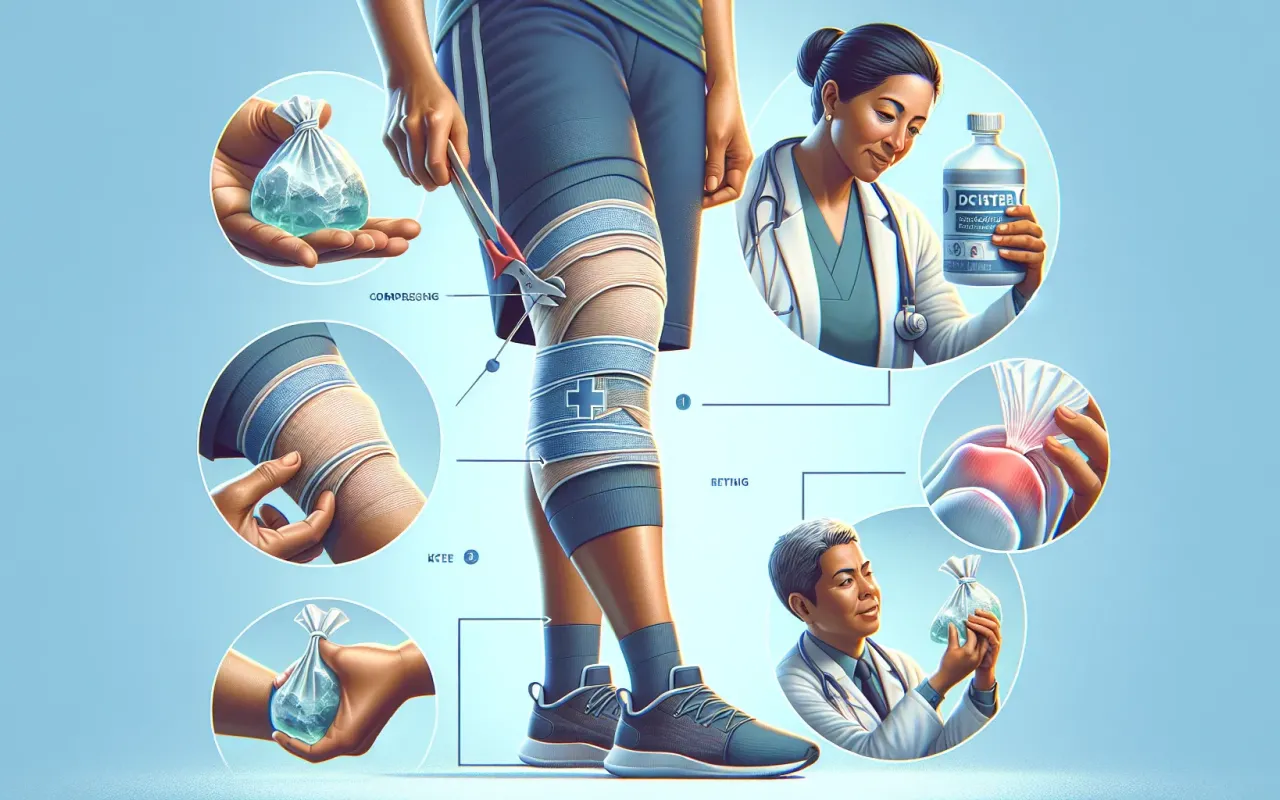
Discover expert advice on the best treatment for knee sprain. Learn effective tips and strategies for swift recovery and long-term knee health.
- August 11, 2024
Your knees are crucial for mobility, so when a knee sprain occurs, it can significantly hinder your daily activities and overall quality of life. In this comprehensive guide, we'll explore the best treatment for knee sprain, providing you with expert advice and essential tips to ensure a swift and complete recovery.
Understanding Knee Sprains: Causes and Symptoms
What is a Knee Sprain?
A knee sprain is an injury to the ligaments that support the knee joint. Ligaments are tough bands of fibrous tissue that connect bones to other bones. When these ligaments are stretched beyond their capacity, they can tear, leading to a sprain.
Causes of Knee Sprains
Knee sprains are usually caused by sudden twists or impacts. Common scenarios include:
- Sports injuries
- Falls
- Accidents
- Sudden changes in direction while running
Symptoms of Knee Sprains
The symptoms of a knee sprain can vary depending on the severity of the injury but typically include:
- Pain and tenderness around the knee
- Swelling
- Bruising
- Instability or difficulty bearing weight on the affected leg
- Limited range of motion
Best Treatment for Knee Sprain
Initial Care: R.I.C.E. Method
The first step in treating a knee sprain is to reduce pain and swelling. The R.I.C.E. method is a tried and tested approach:
- Rest: Avoid putting weight on the injured knee to prevent further damage.
- Ice: Apply ice packs to the injured area for 15-20 minutes every 1-2 hours during the first 48 hours.
- Compression: Use an elastic bandage to wrap the knee, providing support and reducing swelling.
- Elevation: Keep the injured knee elevated above the level of your heart to minimize swelling.
Medical Treatments
For more severe knee sprains, medical intervention may be necessary:
Medications
Over-the-counter pain relievers like ibuprofen or acetaminophen can help manage pain and inflammation. In some cases, doctors may prescribe stronger medications.
Physical Therapy
Physical therapy is often recommended to strengthen the muscles around the knee and improve mobility. A tailored exercise program can aid recovery and prevent future injuries.
Bracing and Support
Knee braces or supports can provide additional stability during the healing process. Your healthcare provider can recommend the right type of brace for your specific injury.
Surgery
In severe cases where a ligament is completely torn, surgical intervention may be required. Surgery aims to repair or reconstruct the damaged ligament for better long-term outcomes.
Recovery Tips and Exercises
Gradual Return to Activity
It's important to return to your regular activities gradually. Follow your doctor's recommendations and don't push yourself too hard, too soon.
Strengthening Exercises
Incorporating specific exercises into your rehabilitation can strengthen the muscles that support the knee:
- Quadriceps Exercises: Simple activities like straight leg raises can help build quad strength.
- Hamstring Curls: These exercises target the muscles at the back of your thigh, providing added support.
- Calf Raises: Strengthen the lower part of your leg to improve overall knee stability.
Maintaining Flexibility
Stretching is key to maintaining flexibility and preventing stiffness. Consider incorporating these stretches:
- Hamstring Stretch
- Quadriceps Stretch
- Calf Stretch
Preventing Future Knee Sprains
Warm-up and Cool Down
Always perform a proper warm-up before engaging in physical activities and a cool down afterward to prepare and relax your muscles and joints.
Exercise Regularly
Consistent exercise helps to maintain muscle strength and joint stability. Focus on both cardiovascular activities and strength training.
Proper Footwear
Wearing appropriate footwear provides the necessary support and cushioning to prevent undue stress on your knees.
Listen to Your Body
Pay attention to any discomfort or pain and respond promptly to avoid aggravating an injury.
When to Seek Professional Help
While minor knee sprains can often be managed at home, it's important to seek professional medical advice if you experience:
- Severe pain or swelling
- Inability to move or put weight on the knee
- Instability or feeling of the knee giving out
- Signs of infection, such as redness or warmth
Conclusion
Recovering from a knee sprain requires prompt and effective treatment. By understanding the best treatment for knee sprain and following expert advice, you can ensure a quicker and more complete recovery. Incorporate the recommended tips and exercises into your routine to strengthen your knee and prevent future injuries. Always remember to consult with healthcare professionals for personalized advice based on the severity of your injury.