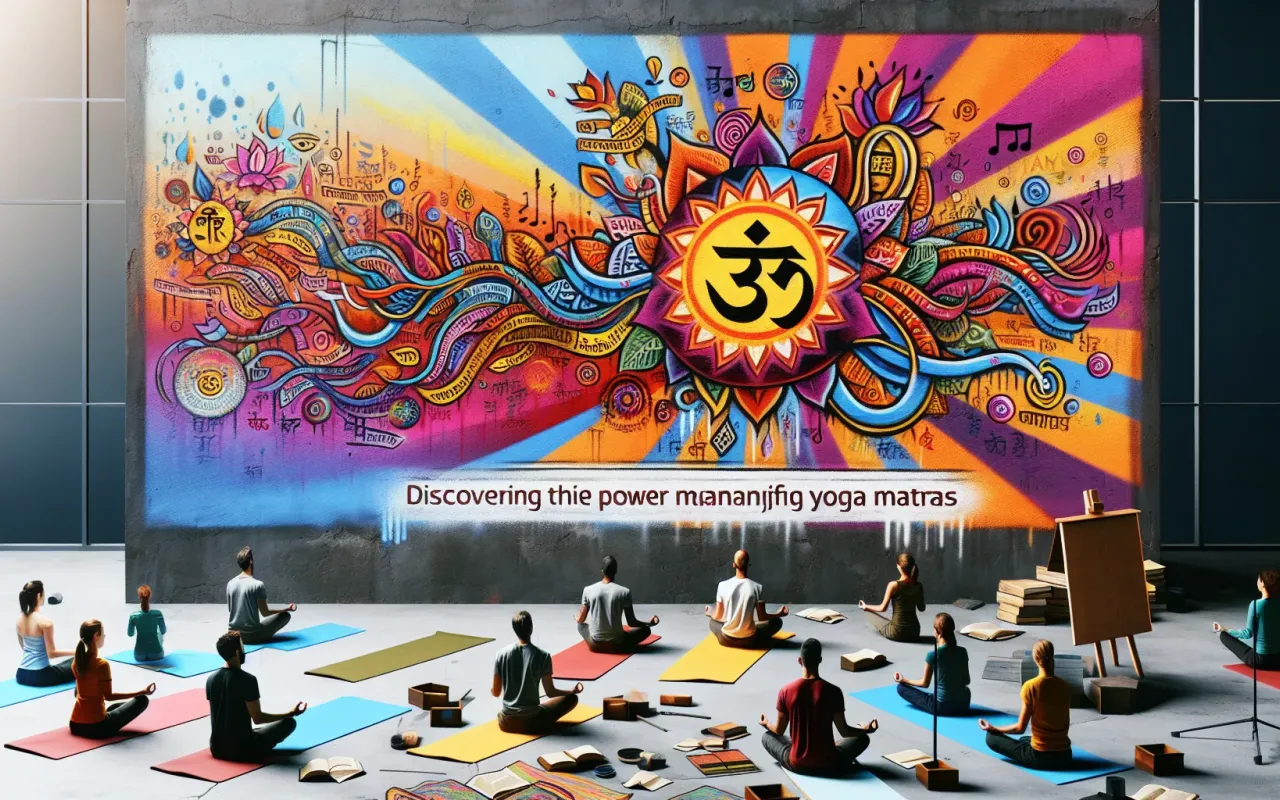
Unlock the transformative power of meaningful yoga mantras with translations to deepen your practice and elevate your spiritual journey.
- August 11, 2024
Yoga is not just about physical postures; it is also a path to spiritual and mental well-being. A significant component of yoga practice is the use of mantras. These powerful words or phrases, often rooted in ancient traditions, can profoundly impact your practice and overall life. This article delves into the essence of meaningful yoga mantras with translations, exploring their significance and how you can incorporate them into your daily practice.
What Are Yoga Mantras?
Mantras are sacred sounds, words, or phrases that are repeated to aid concentration during meditation and other spiritual practices. They originate from ancient texts like the Vedas and Upanishads, key scriptures in Hinduism. By reciting these mantras, practitioners aim to harness spiritual energy, focus the mind, and achieve a state of heightened awareness.
Why Use Yoga Mantras?
The use of yoga mantras can serve several purposes:
- Mental Clarity: Repeating a mantra can help clear the mind of distractions and enhance concentration.
- Emotional Balance: Many mantras have soothing effects that can cultivate inner peace and emotional stability.
- Spiritual Growth: Mantras can be a bridge to deeper spiritual practice, helping practitioners connect with the divine.
- Physical Benefits: By focusing on a mantra, practitioners can better align their breath and movement, optimizing the physical benefits of yoga.
Common Meaningful Yoga Mantras with Translations
OM (AUM)
Translation: The sound of the universe.
This fundamental mantra represents the beginning, duration, and dissolution of the universe. Chanting "OM" can help align oneself with the cosmic vibration.
Lokah Samastah Sukhino Bhavantu
Translation: May all beings everywhere be happy and free.
This mantra promotes a sense of universal compassion and interconnectedness, encouraging the practitioner to wish well-being and happiness for all.
So Hum
Translation: I am that.
Often used to connect the individual with the universal consciousness, "So Hum" reminds practitioners of their inherent oneness with the universe.
Om Mani Padme Hum
Translation: The jewel is in the lotus.
A powerful mantra in Tibetan Buddhism, it signifies the union of wisdom and compassion. Each syllable has its spiritual significance, believed to transform negative qualities into positive ones.
Gayatri Mantra
Translation: O, Divine light that enlightens all, may it guide our intellect in the right direction.
This ancient mantra is a prayer for enlightenment and wisdom, traditionally chanted to seek divine guidance and removal of ignorance.
How to Incorporate Mantras into Your Yoga Practice
Integrating mantras into your yoga sessions can be a transformative experience. Here are some ways to do it:
During Meditation
Choose a quiet and comfortable space. Close your eyes, sit in a comfortable position, and begin to chant your chosen mantra. Focus on the sound and vibration, allowing it to guide your meditation.
With Breathwork
Combine your mantra with your breath. For example, silently repeat "So" on the inhale and "Hum" on the exhale. This synchronization can deepen your focus and enhance your breathing practice.
During Asanas (Postures)
Chanting a mantra during physical postures can enhance your concentration and make the practice more mindful. You can either repeat the mantra silently or aloud, depending on your preference.
Tips for Effective Practice
Here are some tips to get the most out of your mantra practice:
- Consistency: Regular practice enhances the benefits. Try to incorporate mantras daily, even if for a few minutes.