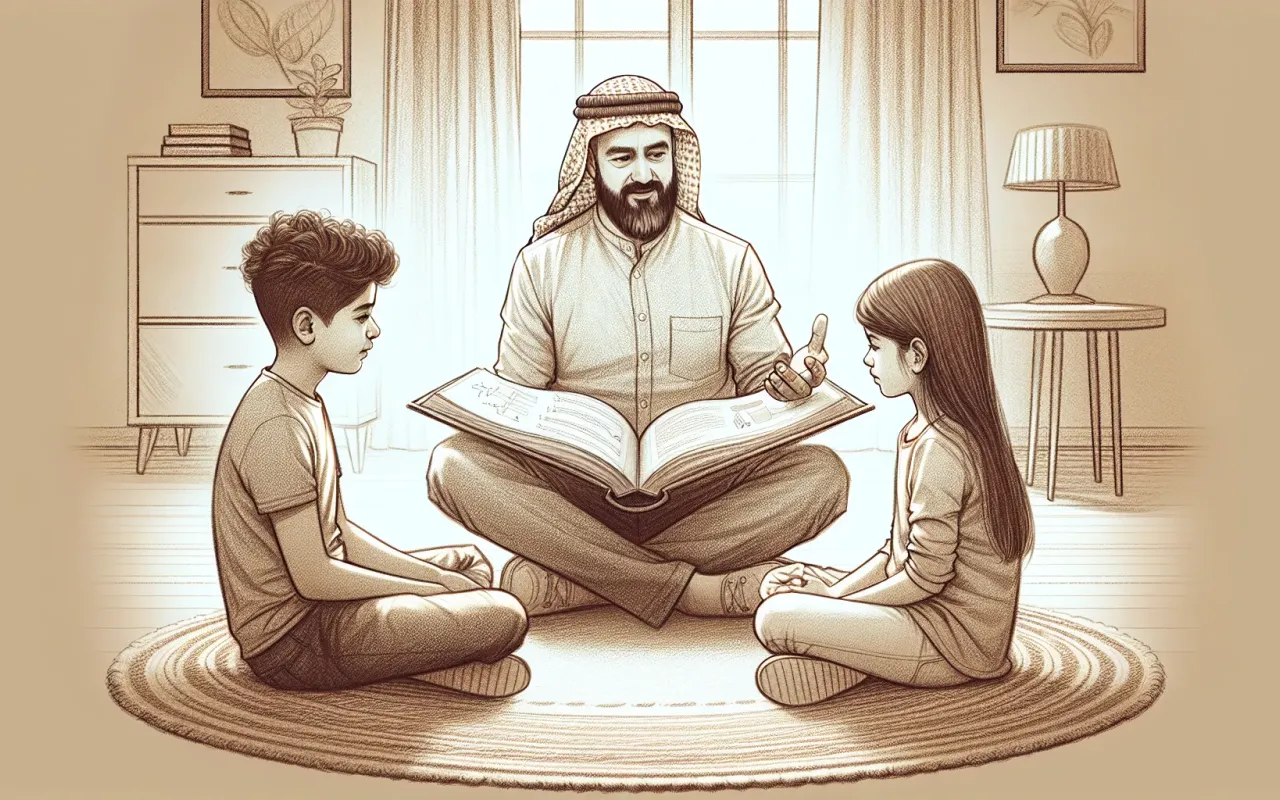
Learn how to handle sibling rivalry peacefully with these effective strategies for parents. Create a harmonious home environment and foster positive sibling relationships.
- August 10, 2024
Sibling rivalry is a common issue in families with more than one child, often leading to conflicts and stress for both parents and children. Understanding how to handle sibling rivalry peacefully is crucial for maintaining harmony in the home and fostering positive relationships between siblings. This article offers effective strategies and expert insights to help parents navigate this challenging dynamic.
Understanding Sibling Rivalry
Sibling rivalry refers to the competition, jealousy, and conflict often observed between siblings. While it is natural for siblings to compete for parental attention, resources, and approval, unchecked rivalry can escalate into serious disputes. Understanding the root causes of sibling rivalry is the first step toward mitigating its effects.
Common Causes of Sibling Rivalry
Several factors can contribute to sibling rivalry, including:
- Age gap: Significant age differences can lead to power struggles and competition for resources.
- Parental attention: Perceived favoritism or unequal attention from parents can fuel jealousy.
- Personality clashes: Differing personalities and temperaments can lead to frequent disputes.
- Stages of development: Siblings at different developmental stages may experience varying needs and behaviors, leading to conflict.
- External stressors: Factors such as school, social pressures, and family changes can exacerbate sibling rivalry.
Strategies for Peaceful Conflict Resolution
1. Encourage Open Communication
Promoting open communication is an essential strategy for resolving conflicts peacefully. Encourage your children to express their feelings and thoughts clearly and respectfully. Active listening plays a crucial role here, ensuring that each child feels heard and validated.
2. Set Clear Boundaries and Expectations
Establishing clear boundaries and expectations helps minimize misunderstandings and conflicts. Define acceptable behavior, and consistently enforce rules to ensure all siblings understand the consequences of negative actions.
3. Promote Cooperative Activities
Engage your children in cooperative activities that require teamwork and mutual reliance. This can include family projects, games, or chores. Such activities help siblings appreciate each other's strengths and develop collaborative skills.
4. Teach Problem-Solving Skills
Equip your children with problem-solving skills to handle disputes constructively. Encourage them to identify the problem, brainstorm possible solutions, and agree on a fair resolution. This empowers them to manage conflicts independently and peacefully.
5. Model Positive Behavior
Children often emulate their parents' behavior. Therefore, it's crucial to model positive conflict resolution and respectful interactions. Demonstrating calmness, empathy, and effective communication sets a powerful example for your children.
6. Recognize and Reward Positive Interactions
Acknowledge and reward positive interactions between siblings. Highlighting moments of cooperation and kindness reinforces good behavior and encourages siblings to continue acting positively toward each other.
When to Seek Professional Help
While most sibling rivalry can be managed at home, there are instances where professional help may be necessary. Consider seeking assistance from a family therapist if you observe:
- Continuous, unresolved conflicts that lead to physical or emotional harm.
- Severe jealousy or resentment impacting mental health.
- Inability to implement effective conflict resolution strategies.
Professional guidance can provide tailored strategies and support to address deeper underlying issues contributing to sibling rivalry.
Conclusion
Handling sibling rivalry peacefully requires patience, consistency, and proactive strategies. By fostering open communication, setting clear boundaries, promoting cooperative activities, teaching problem-solving skills, modeling positive behavior, and recognizing positive interactions, parents can create a harmonious home environment. Remember, it's normal for siblings to experience conflicts occasionally, but with the right approach, these can be opportunities for growth, understanding, and stronger familial bonds.