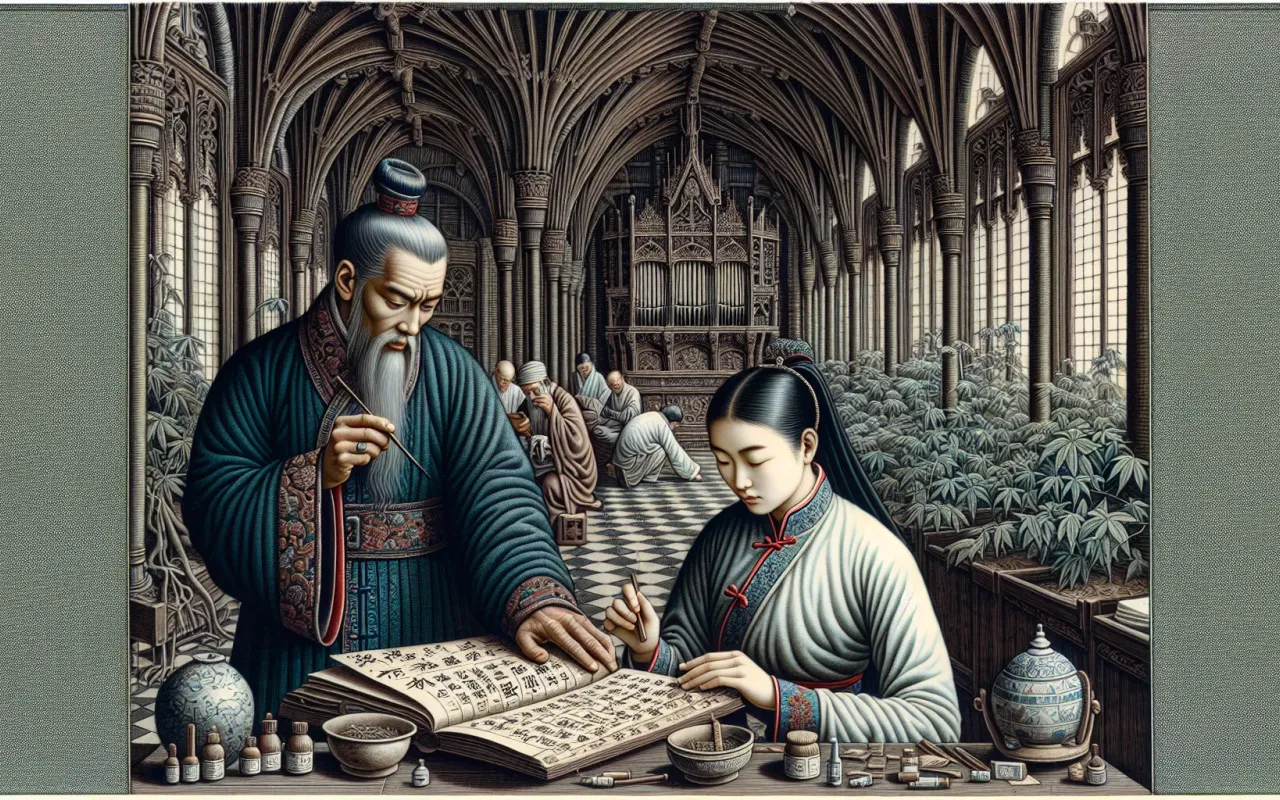
Discover the diagnostic tools used in Traditional Chinese Medicine. Learn about their applications and importance in accurate diagnosis and effective treatment.
- August 7, 2024
Traditional Chinese Medicine (TCM) has been practiced for thousands of years and continues to offer valuable insights and treatments for various health conditions. Central to TCM is the unique diagnostic process, which relies on a combination of observational and sensory skills to assess the health of a patient. Understanding these diagnostic tools is essential to appreciate the depth and efficacy of this ancient medical system.
The Principles of Traditional Chinese Medicine Diagnosis
TCM diagnosis is rooted in the philosophy of Yin and Yang, the Five Elements, and the concept of Qi (vital energy). The primary goal is to identify the root cause of symptoms by observing the balance or imbalance within the body's systems. Unlike conventional medicine, which often focuses on specific symptoms or diseases, TCM considers the entire body and mind, emphasizing holistic treatment approaches.
Key Diagnostic Tools in Traditional Chinese Medicine
1. Inspection (Wang Zhen)
Inspection involves a detailed visual examination of the patient's physical appearance, including their complexion, tongue, posture, and overall demeanor. This tool helps TCM practitioners identify signs of imbalance or disease that may not be immediately apparent.
2. Listening and Smelling (Wen Zhen)
Practitioners use their senses of hearing and smell to gather information about the patient's condition. This can include listening to the patient's voice for clues about their respiratory and cardiovascular health or detecting unusual odors that might indicate underlying imbalances.
3. Inquiry (Wen Zhen)
The third diagnostic tool involves asking the patient detailed questions about their symptoms, lifestyle, diet, and emotional state. This comprehensive interview helps practitioners build a complete picture of the patient's health and identify potential causes of their condition.
4. Palpation (Qie Zhen)
Palpation includes techniques such as pulse diagnosis and abdominal examination. By feeling the pulse, a TCM practitioner can assess the flow of Qi and Blood within the body's meridians. The abdominal examination helps identify abnormal masses, tenderness, or other signs of internal imbalance.
Detailed Examination of Key Diagnostic Techniques
Pulse Diagnosis
Pulse diagnosis is perhaps the most distinctive of TCM diagnostic tools. It involves feeling the radial artery at three different positions on each wrist and at three levels of depth. Each position and depth corresponds to different organ systems and meridians. The practitioner assesses the pulse's rate, rhythm, strength, and quality to gain insights into the patient's overall health. Long-tail keywords: "Traditional Chinese Medicine pulse diagnosis," "Radial artery inspection TCM."
Tongue Diagnosis
Tongue diagnosis is another critical aspect of TCM. The tongue's shape, color, texture, and coating provide valuable information about internal organ health and systemic imbalances. Changes on the tongue can indicate issues like digestive problems, heat disorders, or Qi deficiency. Long-tail keywords: "Tongue inspection in TCM," "Tongue appearance health indicators."
Abdominal Palpation
Abdominal palpation involves physically examining the abdomen for signs of tenderness, lumps, or other abnormalities. This technique helps diagnose conditions related to internal organs and can reveal information about digestive health, fluid retention, and more. Long-tail keywords: "TCM abdominal examination," "Palpation techniques in Traditional Chinese Medicine."
Benefits of TCM Diagnostic Tools
The diagnostic tools of TCM offer several valuable benefits:
- Holistic Approach: By considering the whole person and their lifestyle, TCM provides a more comprehensive understanding of health and disease.
- Preventative Care: TCM diagnostics often identify imbalances before they manifest as more severe diseases, enabling early intervention.
- Personalized Treatment: Each diagnosis leads to a customized treatment plan tailored to the individual's unique needs.
- Minimal Side Effects: TCM diagnostics contribute to treatments that are often natural and gentle, reducing the risk of adverse reactions.
Integrating TCM Diagnostic Tools with Modern Medicine
While TCM and modern medicine differ significantly, integrating the two can lead to more comprehensive and effective healthcare. TCM diagnostic tools offer unique perspectives that can complement conventional medical practices. For example, TCM pulse and tongue diagnosis can provide additional layers of information to support clinical findings and enhance patient care.
Conclusion
Traditional Chinese Medicine diagnostic tools play a crucial role in understanding and treating health conditions holistically. By utilizing techniques such as inspection, listening and smelling, inquiry, and palpation, TCM practitioners can uncover underlying imbalances that contribute to illness. These diagnostic methods not only pave the way for personalized treatment plans but also promote preventative care and overall wellness. Embracing the principles and practices of TCM can significantly enhance the scope and efficacy of healthcare today.