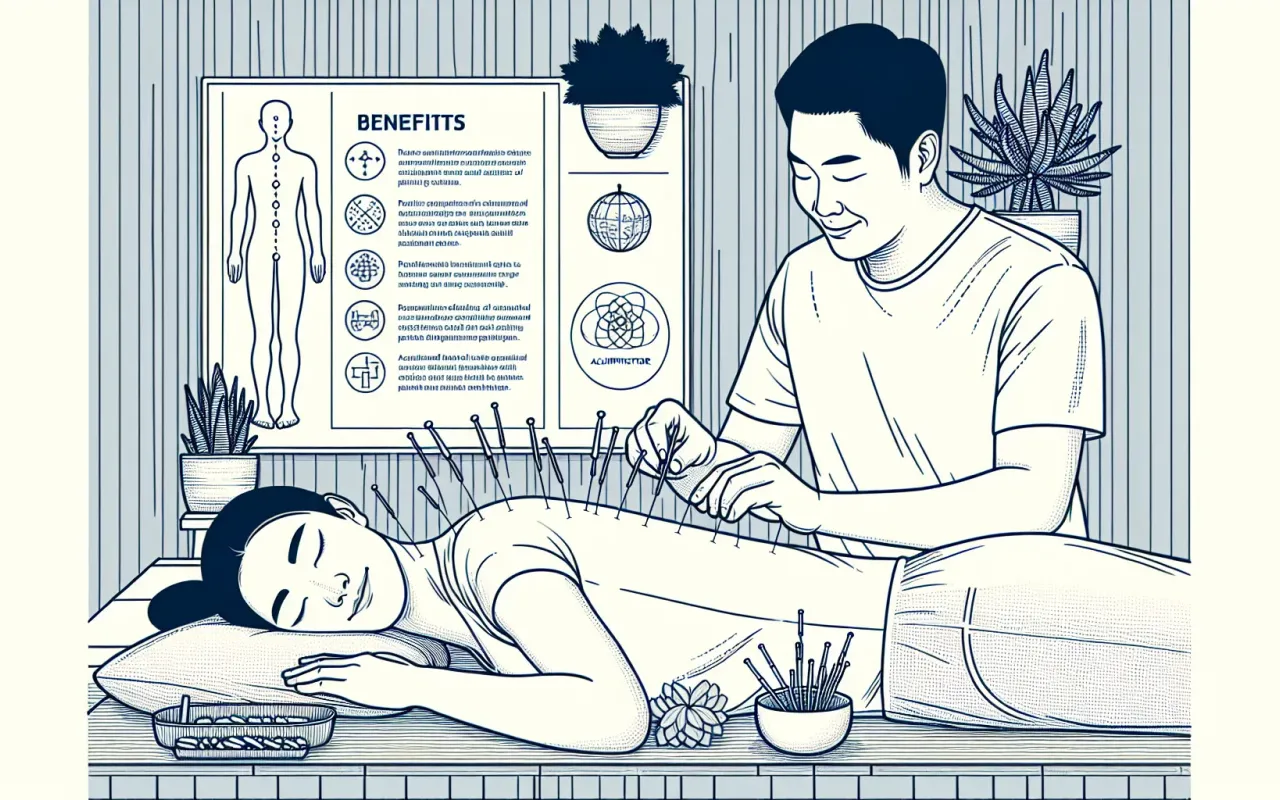
Explore how acupuncture can help with stress reduction. Discover the benefits of acupuncture for managing stress, including scientific evidence and practical insights.
- August 6, 2024
Introduction
In today's fast-paced world, stress has become a commonplace challenge that many individuals face daily. The quest for effective stress reduction techniques has led many to explore alternative therapies. One such method that has gained considerable attention is acupuncture. But, does acupuncture help with stress? This article delves into the benefits of acupuncture for stress management, supported by scientific evidence and expert insights.
What is Acupuncture?
Acupuncture is a traditional Chinese medicine practice that involves inserting thin needles into specific points on the body. These points, known as acupoints, are believed to be connected by pathways called meridians, through which the body's vital energy, or Qi (pronounced "chee"), flows. By stimulating these points, acupuncture aims to restore balance and promote healing in the body.
The Mechanism Behind Acupuncture
How Acupuncture Works
Acupuncture works by triggering the body’s natural healing mechanisms. When needles are inserted into acupoints, they stimulate nerves, muscles, and connective tissues. This stimulation can increase blood flow, activate the release of natural painkillers (endorphins), and influence the activity of the autonomic nervous system, which can help reduce stress and promote relaxation.
Scientific Evidence Supporting Acupuncture
Several studies have explored the impact of acupuncture on stress and related symptoms. Research published in the Journal of Endocrinology suggests that acupuncture can influence the hypothalamus-pituitary-adrenal (HPA) axis, which plays a crucial role in the body’s stress response. Additionally, a study in the journal BMC Complementary and Alternative Medicine reported that acupuncture treatments significantly reduced levels of cortisol, a primary stress hormone, indicating its potential effectiveness in managing stress.
Benefits of Acupuncture for Stress Reduction
Enhanced Relaxation
One of the most immediate benefits of acupuncture is the sense of relaxation it can induce. By calming the nervous system, acupuncture helps reduce the physiological responses to stress, such as elevated heart rate and muscle tension, leading to an overall sense of calm.
Improved Sleep Quality
Stress often interferes with sleep patterns, leading to insomnia and poor-quality sleep. Acupuncture has been shown to improve sleep by regulating the production of melatonin, a hormone that plays a vital role in sleep regulation. A review in the journal Neuropsychiatric Disease and Treatment highlighted that acupuncture can be an effective treatment for insomnia, contributing to better stress management.
Reduction of Anxiety and Depression
Chronic stress can lead to mental health issues such as anxiety and depression. Acupuncture can help alleviate these conditions by promoting the release of neurotransmitters like serotonin and dopamine, which are associated with mood regulation. Studies, including one in the journal PLOS ONE, have shown that acupuncture can be as effective as conventional treatments for anxiety and depression, offering a complementary or alternative option for individuals seeking non-pharmaceutical interventions.
Acupuncture Treatment Experience
What to Expect During a Session
If you are considering acupuncture for stress reduction, it’s essential to know what to expect during a session. An acupuncture treatment typically lasts about 30 minutes to an hour. The practitioner will first ask about your health history and current symptoms to tailor the treatment to your specific needs. Then, they will insert needles into the identified acupoints. The insertion process is usually painless, although some individuals may feel a mild tingling or dull ache.
Frequency and Duration of Treatments
The number of sessions needed can vary based on individual needs and the severity of stress. Some people may experience relief after just one session, while others may require multiple sessions over several weeks. A common recommendation is to start with a series of sessions spaced closely together and gradually decrease the frequency as symptoms improve.
Choosing a Qualified Acupuncturist
To ensure safety and effectiveness, it is crucial to seek treatment from a qualified and licensed acupuncturist. Look for practitioners who are certified by recognized acupuncture boards, such as the National Certification Commission for Acupuncture and Oriental Medicine (NCCAOM) in the United States. Reading reviews and seeking recommendations from trusted sources can also help you find a credible practitioner.
Additional Stress Management Strategies
While acupuncture can be a valuable tool in reducing stress, combining it with other stress management techniques can enhance its effectiveness. Consider incorporating practices like mindfulness meditation, regular physical exercise, healthy nutrition, and adequate sleep into your daily routine. These holistic approaches can work synergistically with acupuncture to promote overall well-being.
Conclusion
So, does acupuncture help with stress? The evidence suggests that it can be a highly effective tool for managing stress and its related symptoms. By promoting relaxation, improving sleep quality, and reducing anxiety and depression, acupuncture offers a comprehensive approach to stress reduction. Whether you are looking for an alternative therapy or a complement to conventional treatments, acupuncture may provide the relief you need to navigate the challenges of modern life more comfortably.