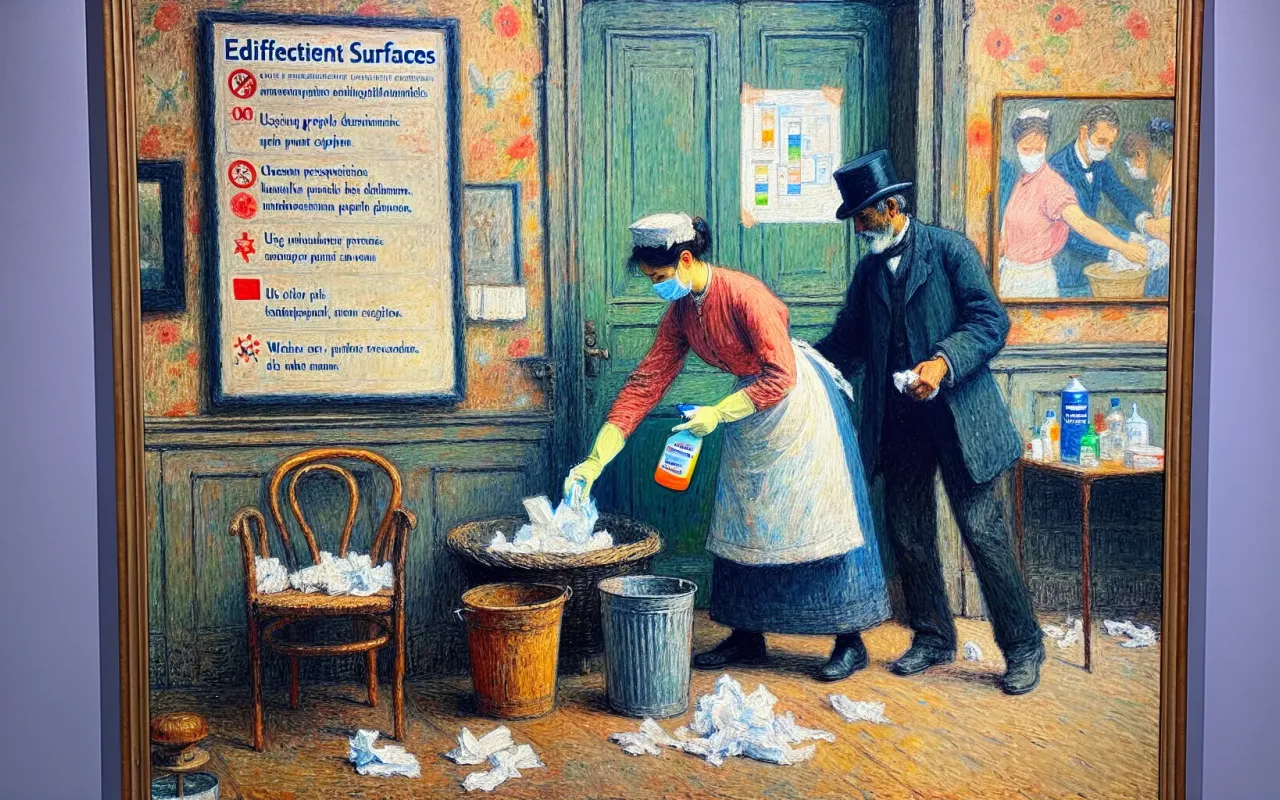
Learn the most effective tips for disinfecting surfaces after sickness as this article provides well-researched, effective tips to help you ensure that your surroundings are safe and germ-free.
- August 6, 2024
Maintaining a clean environment is crucial, especially after someone in the household has been sick. Diseases can spread easily through contact with contaminated surfaces, which makes disinfecting surfaces after sickness an essential practice. This article provides well-researched, effective tips to help you ensure that your surroundings are safe and germ-free.
Why Disinfecting Surfaces Is Important
Germs like bacteria and viruses can survive on various surfaces for hours or even days. Proper disinfection kills these pathogens, reducing the likelihood of illness spreading to other members of the household. Moreover, post-illness cleaning not only promotes health but also peace of mind.
Essential Tools and Supplies for Disinfecting
To effectively disinfect surfaces after sickness, having the right tools and supplies is crucial. Here are some must-haves:
- Disinfectant Sprays and Wipes: Opt for EPA-approved disinfectants for maximum efficacy.
- Gloves: Protect your hands with disposable gloves while cleaning.
- Microfiber Cloths: These are highly effective at trapping germs and dirt.
- Paper Towels: Useful for drying surfaces without spreading germs.
- Brushes and Scrubbers: For tough stains and grime that need extra effort.
Step-by-Step Guide to Disinfecting Surfaces After Sickness
1. Preparation
Before you start disinfecting, ensure that you are wearing personal protective equipment (PPE) such as gloves and, if necessary, a mask. Open windows for ventilation.
2. Cleaning Dirt and Debris
Use soap and water to clean surfaces and remove any visible dirt. This will make the disinfection process more effective since disinfectants work best on clean surfaces.
3. Applying Disinfectant
Select an EPA-approved disinfectant and apply it according to the manufacturer’s instructions. Ensure that the surface stays wet for the recommended contact time, as this is necessary for killing germs.
4. Focus on High-Touch Areas
Pay extra attention to high-touch surfaces such as door knobs, light switches, remote controls, and faucet handles.
5. Dry and Dispose of Materials Safely
After allowing the disinfectant to sit for the required time, dry the surfaces with a clean cloth or paper towel. Dispose of used materials and gloves properly to prevent any further spread of germs.
Using Natural Disinfectants
If you prefer using natural products, some options are equally effective for disinfecting surfaces after sickness:
- White Vinegar: Known for its antimicrobial properties, vinegar can be mixed with water for a natural disinfectant solution.
- Hydrogen Peroxide: Effective against various pathogens, hydrogen peroxide can be used directly on surfaces.
- Essential Oils: Oils like tea tree and eucalyptus have natural disinfectant properties and can be added to homemade cleaners.
Precautions to Take
While disinfecting, safety is paramount. Here are some precautions to follow:
- Avoid Mixing Chemicals: Never mix different disinfectants, especially bleach and ammonia, as this can produce toxic fumes.
- Labeling: Clearly label any homemade disinfectant solutions.