Discover creative camera tricks for filmmakers to master the art of camera tricks. Learn innovative techniques to make your films stand out.
- August 5, 2024
Filmmaking is an art that combines storytelling with visual creativity. One way to elevate your storytelling is through the use of creative camera tricks. These techniques can enhance the visual appeal of your films and captivate your audience. In this article, we will explore various camera tricks that filmmakers can use to master the art of visual storytelling.
Introduction to Creative Camera Tricks
Camera tricks have been a staple in film production since the early days of cinema. From classic techniques like forced perspective to modern innovations like drone cinematography, these tricks can bring a unique flair to your work. By understanding and mastering these camera tricks, filmmakers can create memorable and impactful scenes.
Basic Camera Tricks for Filmmakers
1. Forced Perspective
Forced perspective is a technique that manipulates the visual perception of objects and subjects to make them appear larger, smaller, closer, or further away than they are. This trick is often used in movies like "The Lord of the Rings" to create the illusion of size differences. By carefully positioning the camera and subjects, filmmakers can achieve a surreal and engaging visual effect.
2. Dutch Angle
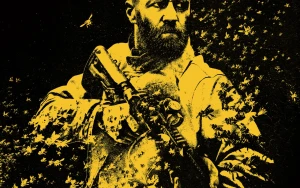
The Dutch angle involves tilting the camera to create dynamic, disorienting images. This technique is often used to convey unease, tension, or instability. It was famously used in the film "Battlefield Earth," albeit with controversial effectiveness. When used sparingly, the Dutch angle can add a unique visual twist to your scenes.
3. Match Cut
A match cut is a seamless transition from one scene to another, where an element in the first shot closely matches an element in the second shot. This editing technique can be both visually satisfying and narratively meaningful. Stanley Kubrick’s “2001: A Space Odyssey†features an iconic match cut that transitions from a bone thrown by an ape to a spaceship, conveying a leap in time and technology.
Intermediate Camera Tricks for Filmmakers
1. Dolly Zoom
The dolly zoom, also known as the "Vertigo effect," involves moving the camera away from or towards the subject while simultaneously zooming in the opposite direction. This creates a warped, unsettling perspective. Alfred Hitchcock popularized this technique in "Vertigo," and it has since been used in numerous films to convey psychological distress or dramatic realizations.
2. Whip Pan
A whip pan is a rapid camera movement from one subject to another, creating a motion blur effect. This technique is excellent for conveying speed and urgency. Quentin Tarantino effectively uses whip pans in his films to heighten action and maintain a fast-paced narrative.
3. Long Take
A long take is an extended shot without editing cuts. This technique requires meticulous planning and rehearsal but can result in an incredibly immersive viewing experience. Movies like "Birdman" (2014) and "1917" (2019) are renowned for their extensive use of long takes, creating a continuous and engaging narrative flow.
Advanced Camera Tricks for Filmmakers
1. Time-Lapse and Hyperlapse
Time-lapse and hyperlapse photography condense hours of footage into just a few seconds, showcasing the passage of time. While time-lapse involves a static camera, hyperlapse takes it a step further by moving the camera between frames. These techniques require patience and precision but can result in breathtaking visuals.
2. Drone Cinematography
Drone cinematography has revolutionized aerial filmmaking, making it more accessible and affordable. Drones can capture stunning, high-altitude shots that were once only possible with helicopters. This trick adds a cinematic grandeur to your film's visuals, and it's a favorite among independent filmmakers and big-budget productions alike.
3. Projection Mapping
Projection mapping is an advanced technique that uses video projectors to display images onto surfaces, transforming ordinary objects into dynamic displays. This trick is often used in music videos and live performances to create immersive visual experiences. Though it requires technical expertise, the creative possibilities are endless.
Practical Tips for Implementing Camera Tricks
1. Plan Your Shots
Thorough planning is essential for successfully implementing camera tricks. Storyboarding can help visualize complex shots and ensure that everyone on set understands the desired effect. It also allows you to identify potential challenges and plan solutions in advance.
2. Experiment with Angles and Movements
Don't be afraid to experiment with different camera angles and movements. Sometimes, the most unconventional setups yield the most impressive results. Test various techniques during rehearsals to see what works best for your scene.
3. Use Appropriate Equipment
The right equipment can make a significant difference in the execution of camera tricks. Invest in stabilizers, sliders, drones, and other gear that can help you achieve the desired effect. Additionally, ensure that your camera settings, such as shutter speed and aperture, are optimized for the trick you're attempting.
Conclusion
Mastering creative camera tricks for filmmakers can elevate your storytelling and captivate your audience. Whether you're a novice filmmaker or a seasoned professional, these techniques offer a wide range of possibilities to enhance your visual storytelling. By understanding and practicing these tricks, you can create more engaging and visually stunning films.