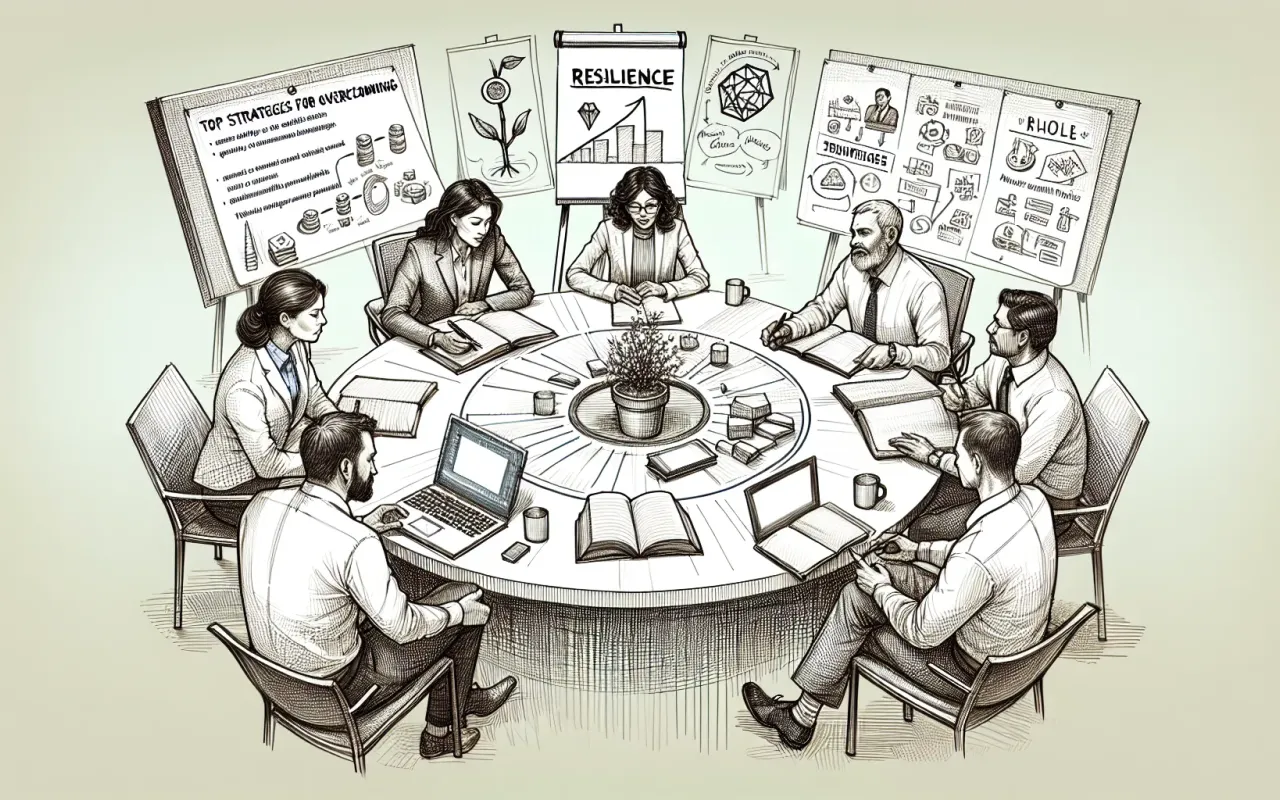
By cultivating a positive mindset, fostering strong relationships, developing emotional regulation skills, setting achievable goals and maintaining physical health, individuals can significantly enhance their resilience.
- August 5, 2024
AceShowbiz - Resilience is an essential quality for navigating life's ups and downs effectively. Whether facing personal or professional challenges, building resilience can help individuals bounce back quicker and stronger. In this article, we delve into expert insights on the top strategies for overcoming challenges in resilience. By implementing these approaches, you can significantly enhance your ability to withstand and thrive amidst adversity.
Understanding Resilience
Resilience is often defined as the capacity to recover quickly from difficulties. It involves a combination of behaviors, thoughts and actions that can be developed and strengthened over time. The primary keyword, strategies for overcoming challenges in resilience, points to practical methods that can be applied to cultivate this invaluable trait.
Top Strategies for Overcoming Challenges in Resilience
Cultivating a Positive Mindset
One of the most effective strategies for improving resilience is fostering a positive mindset. Research indicates that individuals with a more optimistic outlook tend to be more resilient. This entails recognizing and altering negative thought patterns, focusing on solutions rather than problems and maintaining hope and motivation even during tough times.
Building Strong Relationships
Having a robust support network is crucial for resilience. Surrounding yourself with family, friends and colleagues who offer encouragement and support can provide the strength needed to face challenges. Social connections can act as a buffer against stress, provide different perspectives and offer practical help when needed.
Developing Emotional Regulation Skills
Emotional regulation is the ability to manage and respond to emotional experiences effectively. Techniques such as mindfulness, deep breathing exercises and meditation can help control emotions and reduce stress levels. This, in turn, enhances resilience by preventing emotional overwhelm during crises.
Setting and Achieving Goals
Establishing clear, achievable goals provides a sense of direction and purpose, which is essential for resilience. Breaking down larger goals into smaller, manageable steps can make them less daunting and easier to accomplish. Celebrating small successes can boost confidence and motivation, creating a positive feedback loop that supports resilience.
Enhancing Problem-Solving Skills
Effective problem-solving skills are integral to resilience. Being able to assess a situation, identify potential solutions and take decisive action helps individuals manage challenges more efficiently. Regularly practicing problem-solving can improve these skills, making them more accessible when needed.
Maintaining Physical Health
Physical health and resilience are closely linked. Regular exercise, a balanced diet and adequate sleep are fundamental aspects of maintaining good health. Physical well-being can bolster emotional health, providing the energy and stamina needed to cope with difficult situations.
Embracing Change and Uncertainty
Change and uncertainty are inevitable parts of life. Developing a flexible attitude and being open to new experiences can enhance resilience. Embracing change rather than resisting it allows for growth and adaptation, making it easier to navigate unforeseen challenges.
Long-Term Strategies for Sustaining Resilience
Continuous Learning and Growth
Committing to lifelong learning and personal development can strengthen resilience. Engaging in new educational opportunities, acquiring new skills and seeking personal growth can build confidence and adaptability, key components of resilience.
Practicing Self-Compassion
Self-compassion involves treating oneself with kindness and understanding, especially during times of failure or suffering. By being less self-critical and more supportive, individuals can reduce stress and anxiety, fostering resilience.
Seeking Professional Help When Needed
There are times when professional guidance can be immensely beneficial. Psychologists, coaches and other mental health professionals can offer strategies and tools tailored to individual needs, helping to build resilience more effectively.
Creating a Sense of Purpose
Having a clear sense of purpose can provide motivation and direction during challenging times. Engaging in meaningful activities, whether through work, hobbies, or community involvement, can enhance resilience by offering a sense of accomplishment and belonging.
Conclusion
Building resilience is a dynamic process that requires consistent effort and practice. By cultivating a positive mindset, fostering strong relationships, developing emotional regulation skills, setting achievable goals and maintaining physical health, individuals can significantly enhance their resilience. Long-term strategies such as continuous learning, self-compassion, seeking professional help and creating a sense of purpose further support this process. Implementing these expert-backed strategies for overcoming challenges in resilience can lead to a more adaptable, empowered and thriving life.