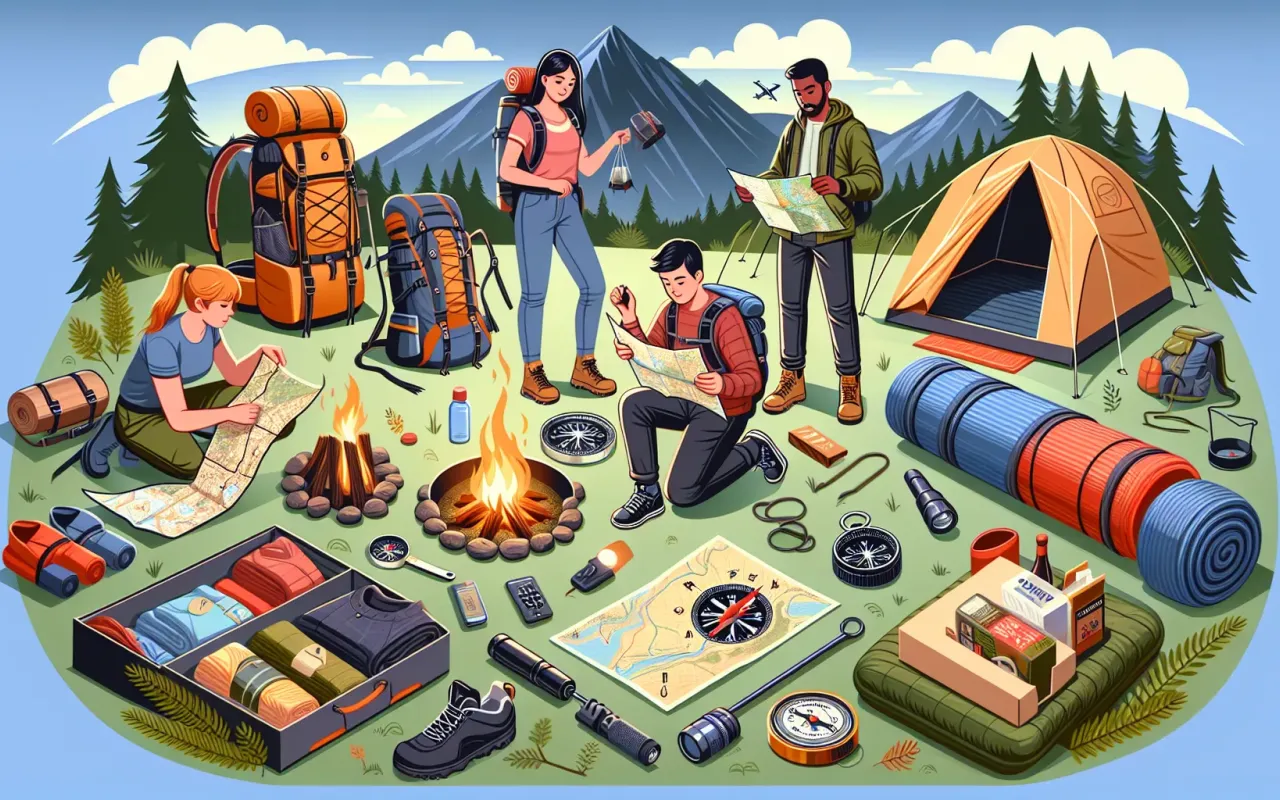
Discover essential backpacking tips for beginners in this comprehensive guide and learn how to prepare, what to pack as well as how to stay safe and enjoy your adventure.
- July 31, 2024
Backpacking is an exhilarating and fulfilling way to explore the great outdoors. Whether you're venturing into the wilderness for the first time or looking to refine your skills, understanding the essentials can make or break your adventure. This comprehensive guide provides backpacking tips for beginners, covering preparation, packing, safety, and more.
Preparing for Your Backpacking Trip
Research and Plan Your Route
Proper planning is crucial for a successful backpacking trip. Start by researching your intended destination. Look for trails that align with your fitness level and experience. Websites, guidebooks, and maps are valuable resources to gather information about trail conditions, weather forecasts, and potential hazards.
Acquiring Permits and Reservations
Many popular backpacking destinations require permits or reservations. Check the regulations for your chosen location and secure any necessary documentation well in advance. This ensures you have access to the trails and campgrounds you plan to visit.
Physical Preparation
Backpacking can be physically demanding. Prepare your body by incorporating cardiovascular exercises, strength training, and flexibility workouts into your routine. Additionally, practice hiking with a loaded backpack to simulate the experience and build stamina.
What to Pack for a Backpacking Trip
Essential Gear and Equipment
Having the right gear is fundamental for a successful backpacking trip. Here’s a checklist to get you started:
- Backpack: Choose a comfortable and appropriately sized backpack to carry your gear.
- Shelter: A lightweight tent, hammock, or tarp that fits your needs and the environment.
- Sleeping System: Sleeping bag, sleeping pad, and an optional pillow.
- Clothing: Moisture-wicking base layers, insulating mid-layers, weather-appropriate outer layers, socks, and sturdy hiking boots.
- Cooking Supplies: Lightweight stove, fuel, cookware, and utensils.
- Food and Water: High-calorie food and a reliable water filtration or purification system.
- Navigation Tools: Map, compass, GPS device, and a guidebook.
- Safety and First Aid: First aid kit, multi-tool, headlamp, and whistle.
Leave No Trace Principles
Follow the Leave No Trace principles to minimize your impact on nature:
- Plan ahead and prepare.
- Travel and camp on durable surfaces.
- Dispose of waste properly.
- Leave what you find.
- Minimize campfire impact.
- Respect wildlife.
- Be considerate of other visitors.
Ensuring Safety on the Trail
Staying Hydrated and Well-Nourished
Dehydration and lack of nutrition can quickly end a backpacking trip. Carry sufficient water and use reliable filtration systems to access clean water sources. Pack calorie-dense foods that are easy to prepare and eat.
Monitoring Weather and Terrain
Stay informed about the weather conditions before and during your trip. Sudden weather changes can pose significant risks. Likewise, understand the terrain you will be covering and prepare for potential challenges such as river crossings or steep ascents.
Handling Emergencies
Despite thorough preparation, emergencies can happen. Equip yourself with basic first aid knowledge and carry a well-stocked first aid kit. Additionally, inform someone about your itinerary and ensure you have a way to contact help if needed.
Maximizing Your Backpacking Experience
Connecting with Nature
One of the primary joys of backpacking is immersing yourself in nature. Take the time to observe your surroundings, appreciate the wildlife, and savor the solitude and peace that come with being off the grid.
Documenting Your Adventure
Keep a journal or take photographs to document your journey. This helps you remember the experience and also inspires others to explore the outdoors. The memories you create will be invaluable.
Building Skills and Confidence
Backpacking requires skills that you can continually develop. As you gain experience, you’ll learn to navigate better, choose optimal campsites, and become more adept at handling unexpected situations. Confidence grows with each successful trip.
Conclusion
Backpacking is an incredibly rewarding activity that offers endless opportunities for adventure and personal growth. By following these backpacking tips for beginners, you can ensure your trips are safe, enjoyable, and enriching. Remember, the more prepared you are, the more you'll be able to fully immerse yourself in the natural beauty that awaits.
Ready to embark on your first backpacking journey? Start planning, gather your gear, and step into the wilderness with confidence. Your adventure starts now!