Dame Vera Lynn, born Vera Margaret Welch on 20 March 1917 in East Ham, London, transcended her era to become one of the most enduring and beloved figures in British popular music. Known honorifically as the "Forces' Sweetheart," her career spanned an astonishing nine decades, during which her soothing voice and unwavering support for British troops cemented her status as a national treasure. Her passing on 18 June 2020 at the age of 103 marked the end of an era, but her legacy as a symbol of hope and resilience during the darkest days of World War II remains indelibly etched in the cultural memory of the United Kingdom.
Lynn began performing publicly as a child, making her stage debut at the age of seven and adopting her grandmother's maiden name professionally. She rose to prominence in the late 1930s as a vocalist with the Ambrose Orchestra before launching a solo career. However, it was during the Second World War that she achieved iconic status. Her radio broadcasts, particularly on the BBC's "Sincerely Yours" program, provided a lifeline of comfort to servicemen stationed overseas. She famously traveled to Egypt, India, and Burma to give outdoor concerts for troops as part of the Entertainments National Service Association, performing her signature songs, including "We'll Meet Again," "(There'll Be Bluebirds Over) The White Cliffs of Dover," and "A Nightingale Sang in Berkeley Square." These recordings became anthems of the war era, capturing both the melancholy of separation and the enduring promise of reunion.
Following the war, Lynn continued to enjoy remarkable success, proving that her appeal was not confined to wartime sentimentality. She achieved crossover success in the United States with "Auf Wiederseh'n, Sweetheart," which topped the American charts, and later scored a UK number-one single with "My Son, My Son." She remained a familiar presence on radio and television throughout the latter half of the 20th century, and her dedication to charitable causes, particularly those supporting ex-servicemen, disabled children, and breast cancer research, earned her widespread admiration. In 2000, she was named the Briton who best exemplified the spirit of the 20th century, a testament to her profound cultural impact.
Lynn's later years were marked by a remarkable late-career resurgence. In 2009, at the age of 92, she became the oldest living artist to top the UK Albums Chart with the compilation We'll Meet Again: The Very Best of Vera Lynn. In 2017, to commemorate her centenary, Decca Records released Vera Lynn 100, which featured contemporary artists duetting with archive recordings of her vocals. The album reached number three on the charts, making her the first centenarian performer to achieve a Top 10 album. By the time of her death, she had been active in the music industry for 96 years, a feat unmatched in popular music. Her life and career stand as a poignant reminder of the power of music to heal, unite, and inspire, and her voice continues to echo through the generations as a symbol of enduring hope.
⭐
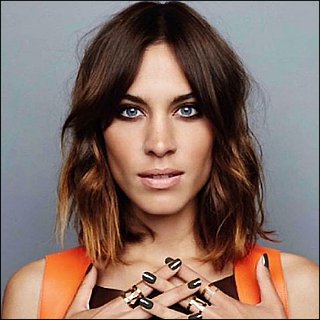
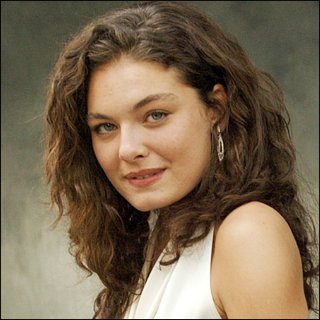
Similar Celebrities

📷
Recent Photos
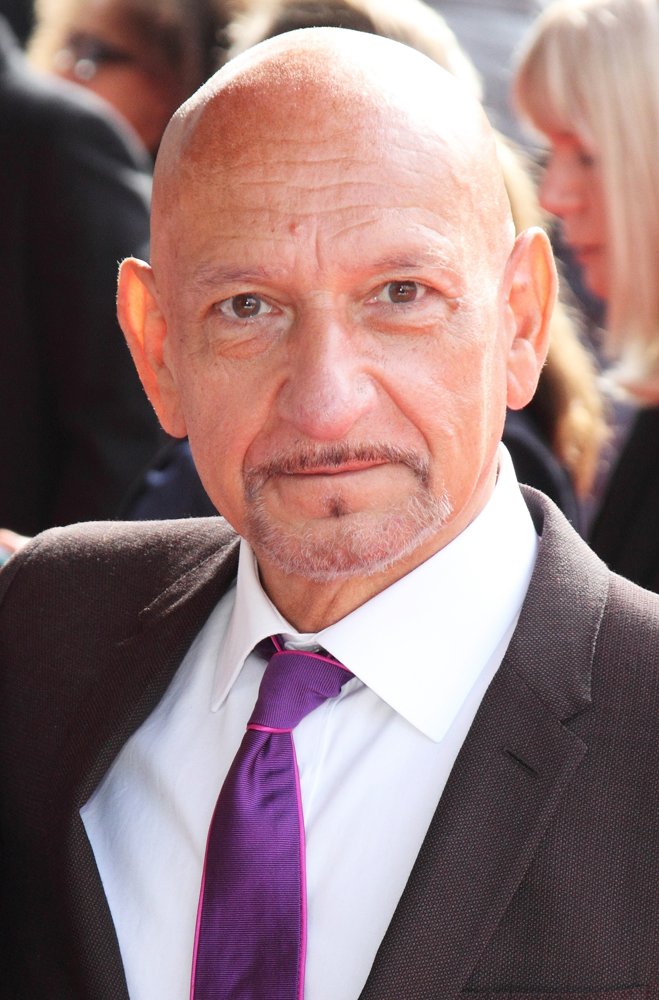
Ben Kingsley
The Prince's Trust and Samsung Celebrate Success Awards
Mar 12, 2014
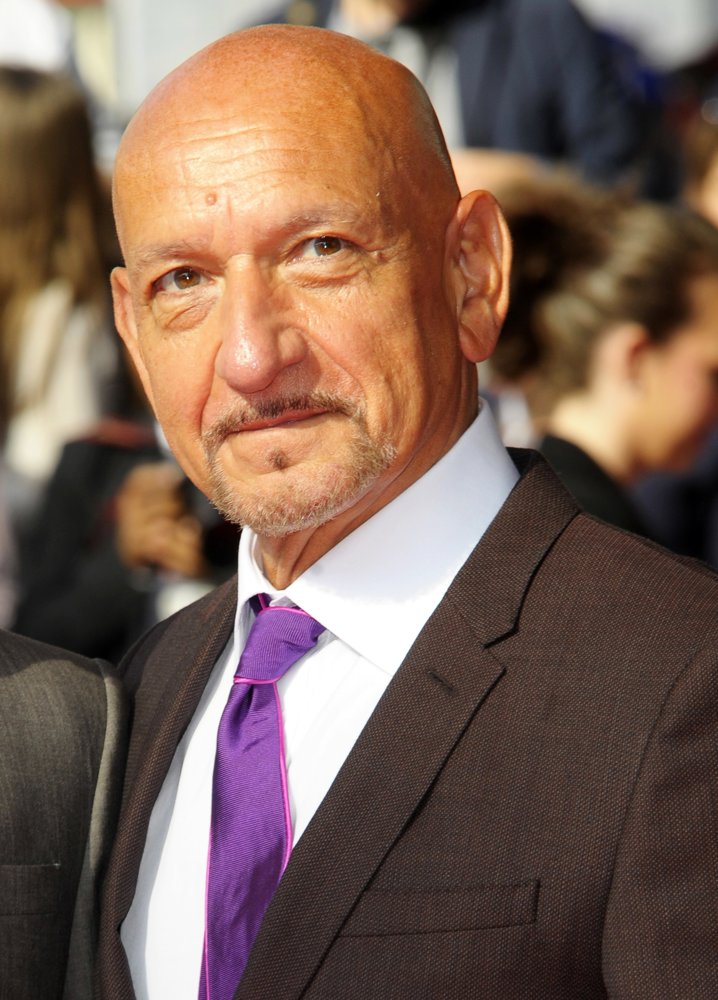
Ben Kingsley
The Prince's Trust and Samsung Celebrate Success Awards
Mar 12, 2014
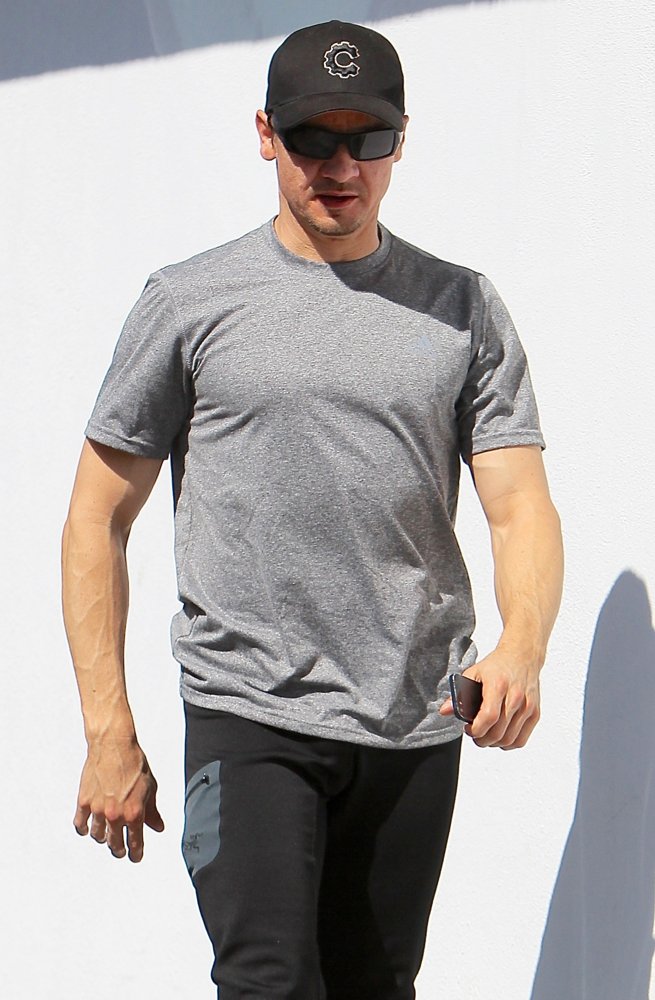
Jeremy Renner
Jeremy Renner Seen Arriving at A Gym
Mar 12, 2014
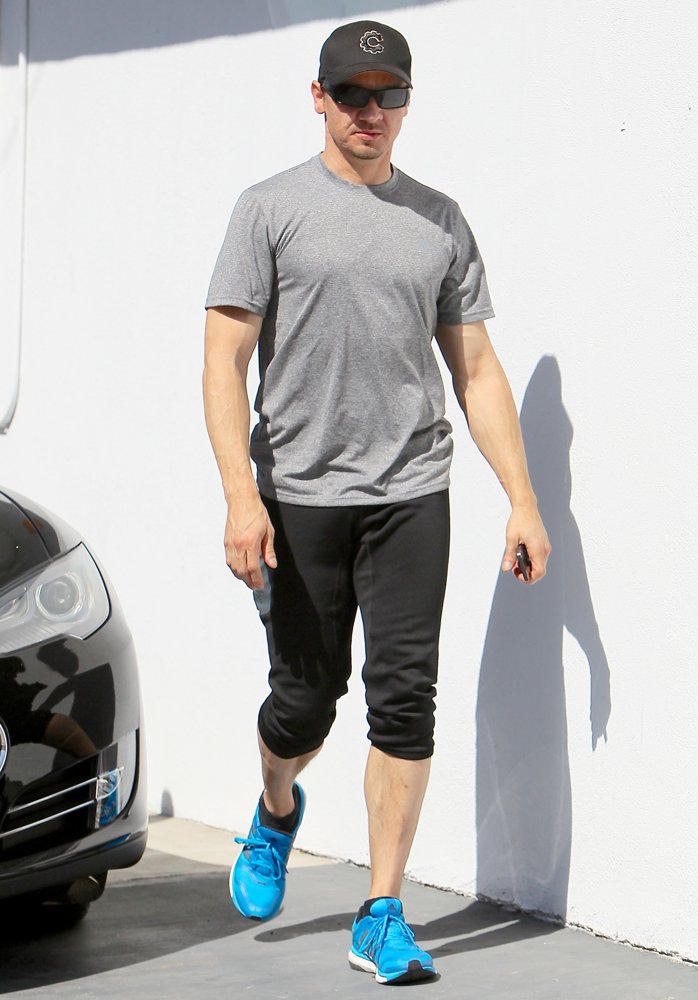
Jeremy Renner
Jeremy Renner Seen Arriving at A Gym
Mar 12, 2014
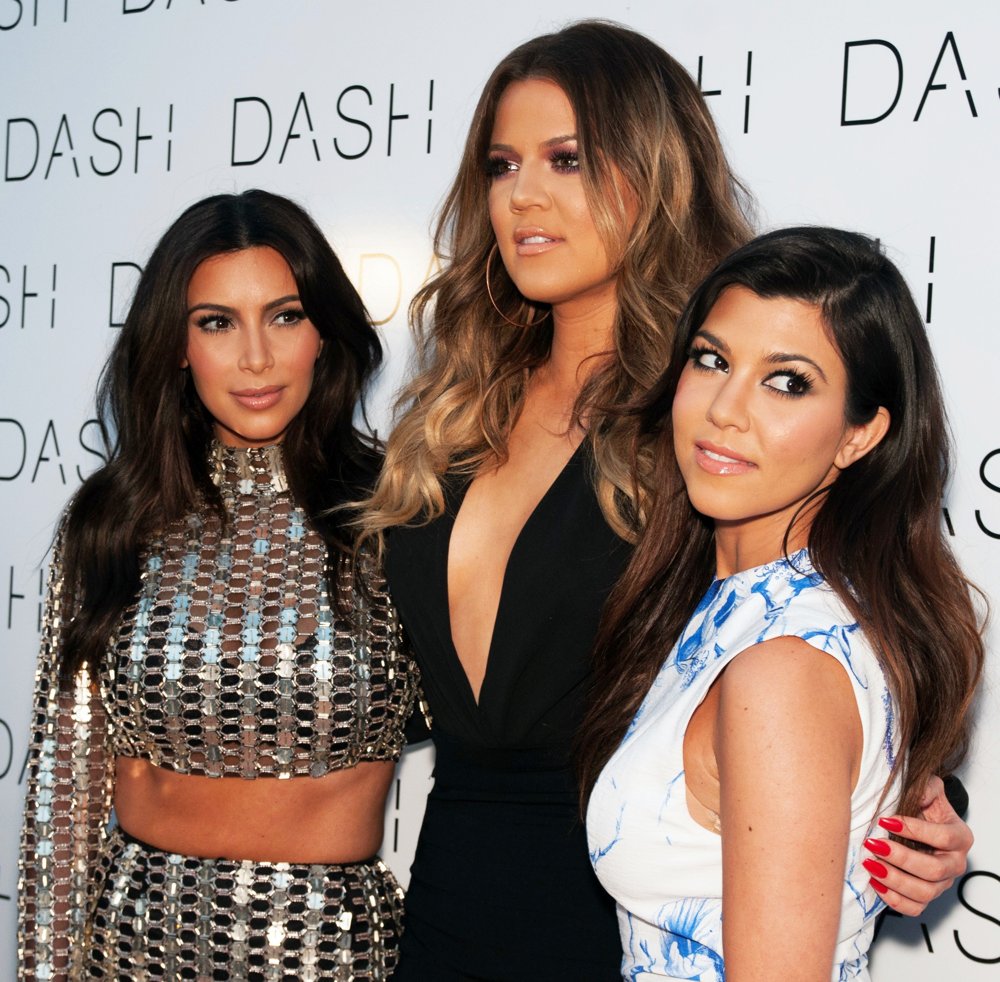
Kim Kardashian
The Grand Opening of DASH Miami Beach
Mar 12, 2014
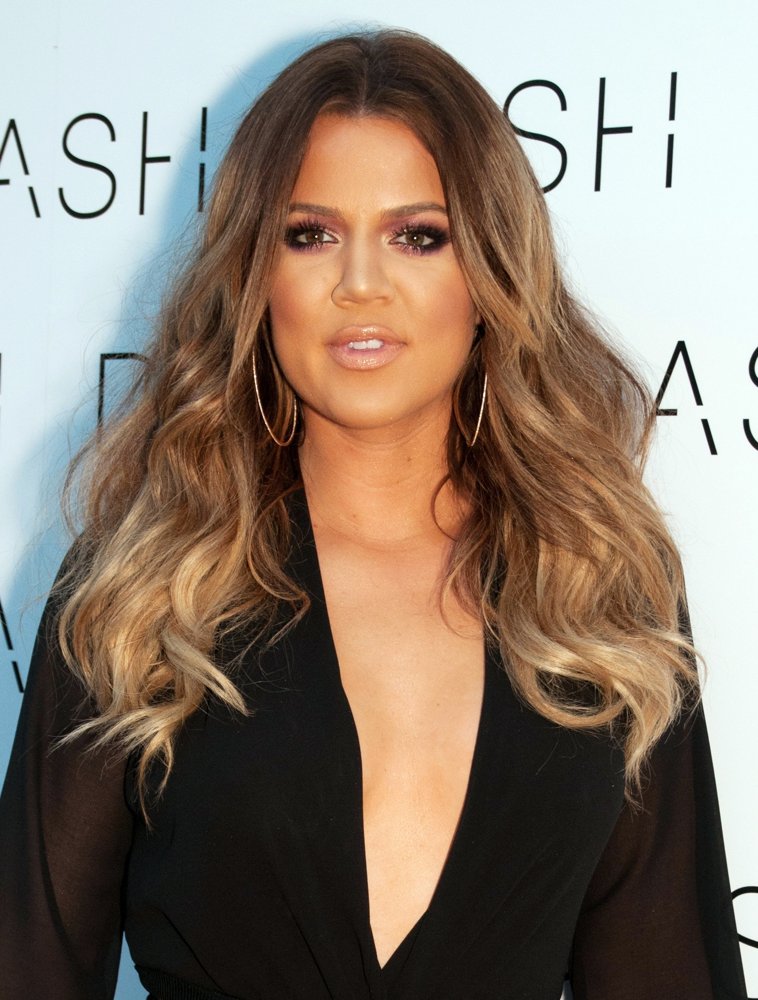
Khloe Kardashian
The Grand Opening of DASH Miami Beach
Mar 12, 2014

⭐Featured Celebrities