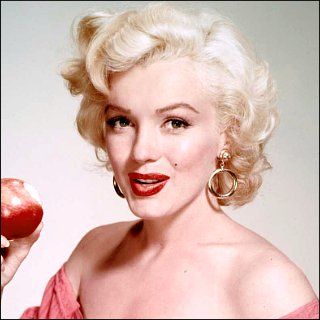
 Marilyn Monroe, born Norma Jeane Mortenson on June 1, 1926, in Los Angeles, California, was an American actress and model who became one of the most iconic sex symbols of the 20th century. Known for her captivating on-screen presence and her ability to embody the "blonde bombshell" archetype, Monroe's career flourished during the 1950s and early 1960s, making her a central figure in Hollywood's golden age. Her legacy continues to resonate, marking her as a symbol of the era's sexual revolution and a pop culture icon.
Monroe's early life was fraught with challenges, as she spent much of her childhood in foster homes and an orphanage due to her unstable family situation. Her mother, Gladys Pearl Baker, faced mental health issues, which left Monroe to navigate her formative years largely without parental guidance. At the tender age of 16, she married James Dougherty, a union that provided some stability during her tumultuous youth. However, it was during World War II, while working in a factory, that she caught the eye of a photographer from the First Motion Picture Unit, leading her to a successful career in pin-up modeling.
Her modeling success paved the way for her entry into films, where she initially signed short-lived contracts with 20th Century Fox and Columbia Pictures. Monroe's breakthrough came with her roles in acclaimed films such as All About Eve and The Asphalt Jungle in 1950, which established her as a promising talent. By 1951, she had secured a more substantial contract with 20th Century Fox, quickly becoming a top-billed actress with notable performances in comedies like As Young as You Feel and Monkey Business, as well as in dramatic roles like Clash by Night and Don't Bother to Knock.
In 1953, Monroe's career reached new heights as she starred in the film noir Niagara, which capitalized on her alluring image. That same year, she became the face of the inaugural issue of Playboy magazine, gracing its cover and centerfold, further cementing her status as a cultural icon. Despite her immense popularity, Monroe often grappled with feelings of being typecast and undervalued in the industry. In a bid for greater control over her career, she founded her own production company in 1954, collaborating with Milton Greene, and began studying method acting under the mentorship of Lee Strasberg.
Her efforts paid off; after a brief suspension from Fox for refusing a film project, she returned to star in The Seven Year Itch, a film that became one of her biggest successes. Monroe's subsequent roles included a critically lauded performance in Bus Stop and her directorial debut with The Prince and the Showgirl, which garnered her nominations and awards, including a BAFTA and a David di Donatello Award for Best Actress. Her final completed film, The Misfits, was released in 1961 and showcased her dramatic range.
Marilyn Monroe's personal life was often as tumultuous as her professional career. Her marriages to baseball legend Joe DiMaggio and playwright Arthur Miller drew significant media attention and ended in divorce, adding to the public's fascination with her. Despite her fame, Monroe struggled with mental health issues and a sense of isolation, culminating in her tragic death on August 4, 1962, from an apparent barbiturate overdose at her home in Los Angeles. Though her life ended prematurely at the age of 36, her impact on popular culture remains profound, with the American Film Institute recognizing her as the sixth-greatest female screen legend from Hollywood's Golden Age. Monroe's legacy continues to endure, captivating new generations and highlighting the complexities of fame and femininity in the entertainment industry.
⭐
Similar Celebrities




📷
Recent Photos
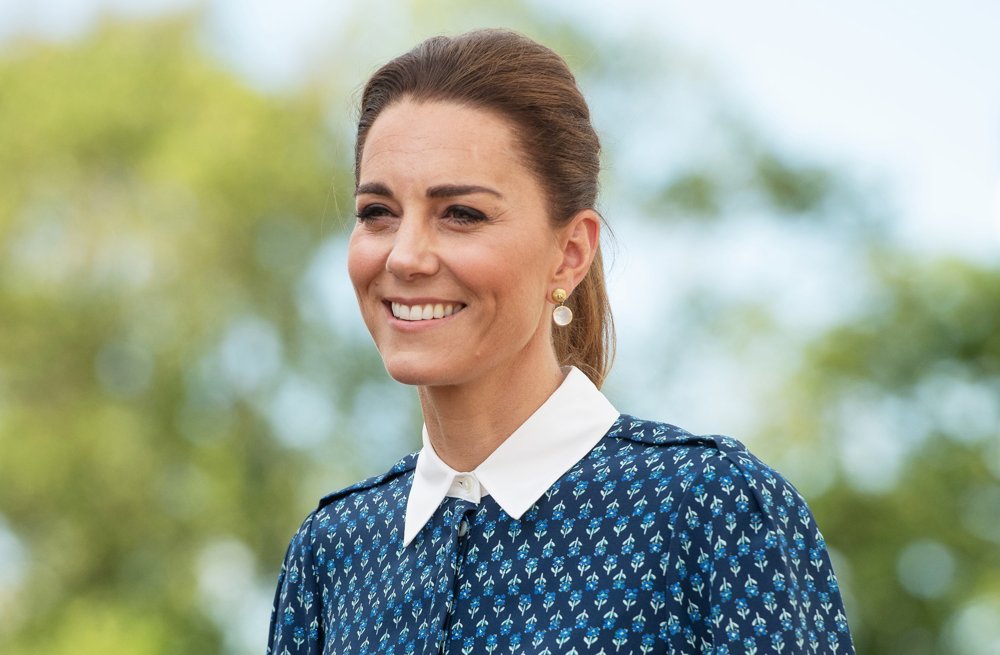
Kate Middleton
The Duke and Duchess of Cambridge During Their Visit to Queen Elizabeth Hospital
Jul 5, 2020
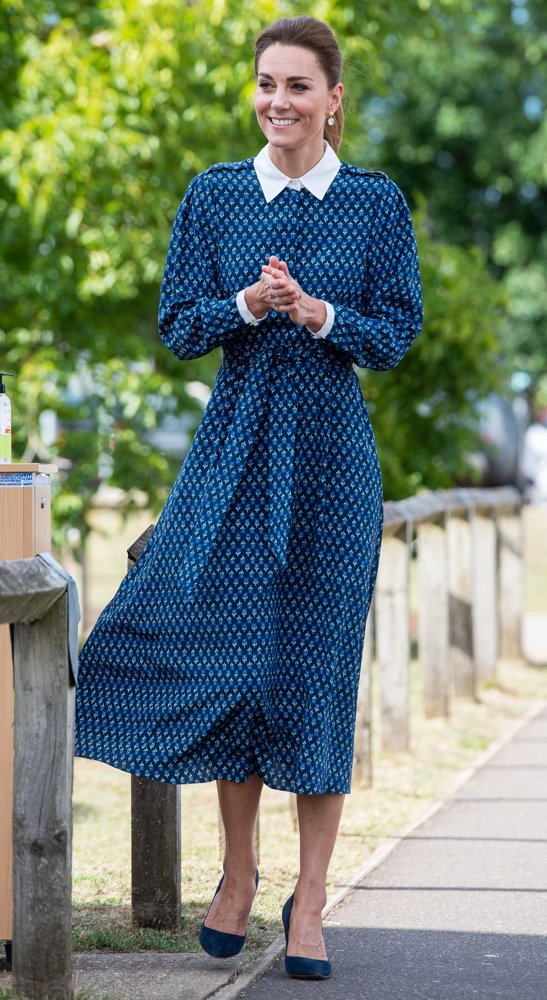
Kate Middleton
The Duke and Duchess of Cambridge During Their Visit to Queen Elizabeth Hospital
Jul 5, 2020
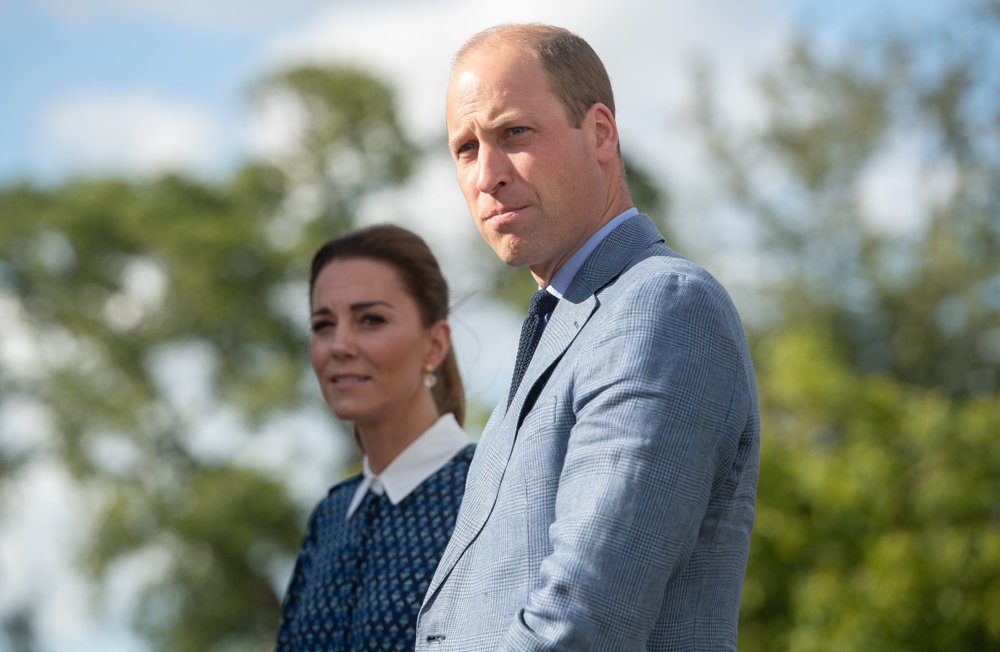
Kate Middleton
The Duke and Duchess of Cambridge During Their Visit to Queen Elizabeth Hospital
Jul 5, 2020
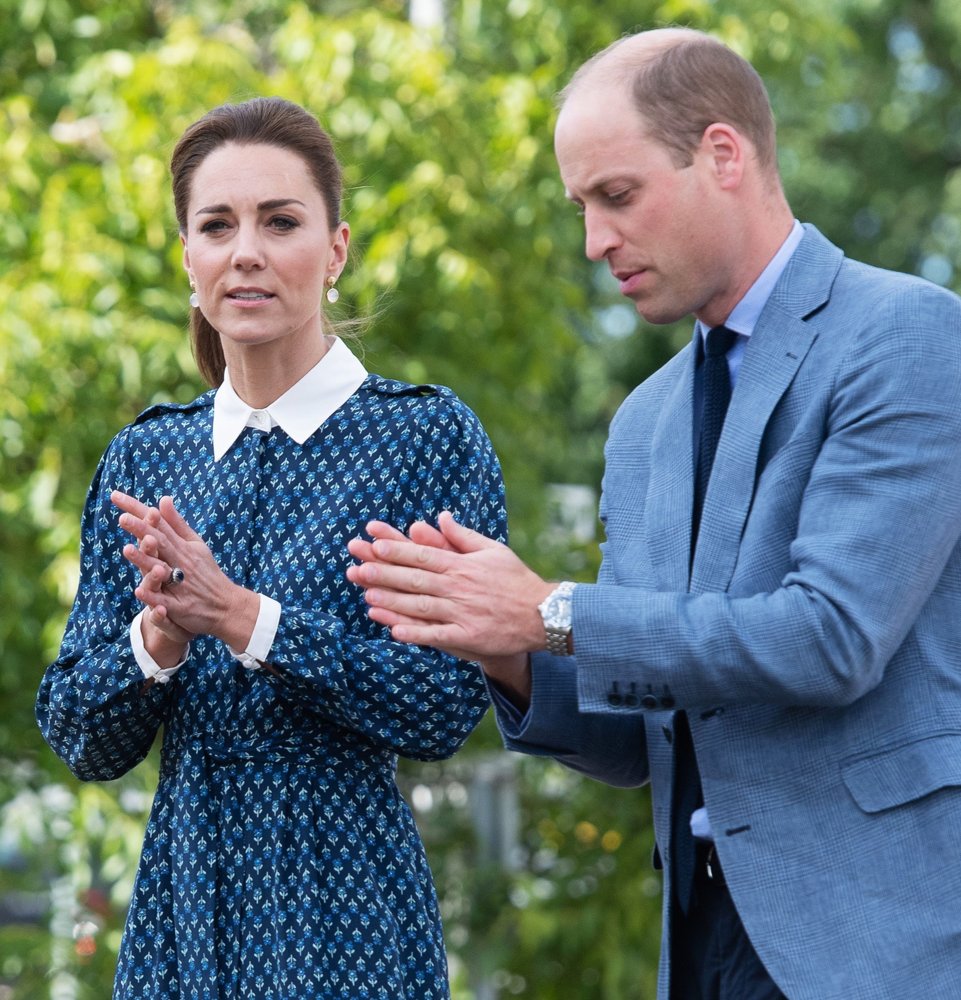
Kate Middleton
The Duke and Duchess of Cambridge During Their Visit to Queen Elizabeth Hospital
Jul 5, 2020
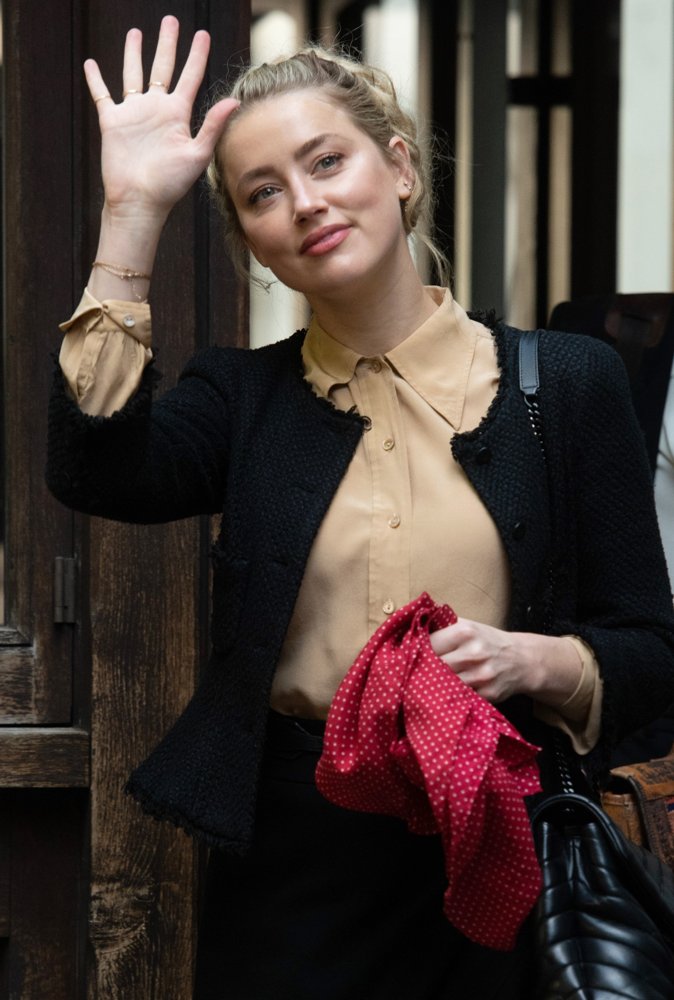
Amber Heard
Amber Heard Arrives at Court Day Twelve
Jul 22, 2020

Prince Philip
The Transfer of The Colonel-in-Chief of The Rifles Ceremony
Jul 22, 2020





⭐Featured Celebrities