Marika Matsumoto, born on September 12, 1984, is a versatile Japanese actress and voice performer who has carved a distinctive niche across live-action film, television, and anime. She first captured public attention between 2001 and 2003 when she served as the official mascot for the Ministop convenience store chain, appearing in a series of commercials as "Mini Stop-chan." This early exposure set the stage for a multifaceted career that would see her become a beloved figure in both mainstream and geek culture. Her transition into voice acting quickly established her as a sought-after talent, with her breakthrough role coming as the spirited Rikku in the landmark video game Final Fantasy X, a performance she later reprised in its sequel Final Fantasy X-2 and in Kingdom Hearts II. These roles endeared her to a global audience of gamers and demonstrated her ability to bring warmth and energy to animated characters.
In the world of anime, Matsumoto’s range has been impressive. She voiced Maya T?mi in the mecha series Fafner in the Azure, Chocolat Meilleure in the magical girl series Sugar Sugar Rune, and the iconic Miwako Sakurada in the fashion-focused drama Paradise Kiss. She also lent her voice to Kazamori Sasa in the mystery anime Un-Go and portrayed the Mythical Pokémon Diancie in the feature film Pokémon the Movie: Diancie and the Cocoon of Destruction. Her ability to embody characters ranging from sweet and innocent to complex and edgy has made her a regular presence in the industry. On the radio, she has been a mainstay of the A&G Radio Show: Anisupa! segment Anisupa K?nin Akujo Queen since November 2005, further cementing her connection with anime fans.
Beyond animation, Matsumoto has also made notable appearances in live-action horror films. She portrayed herself in K?ji Shiraishi’s found-footage horror film The Curse, and took on the role of Yuka Morita in Takashi Shimizu’s supernatural thriller Reincarnation. These performances showcased her willingness to explore darker, more psychological material, adding depth to her already varied filmography. Throughout her career, Matsumoto has remained a respected and active figure in Japanese entertainment, balancing her work in video games, anime, and live-action projects with her ongoing radio commitments. Her enduring popularity is a testament to her talent, adaptability, and the genuine connection she has forged with audiences over two decades.
⭐
Similar Celebrities


📷
Recent Photos

Amy Hart
The Premiere of Cirque Du Soleil Luzia
Jan 13, 2022
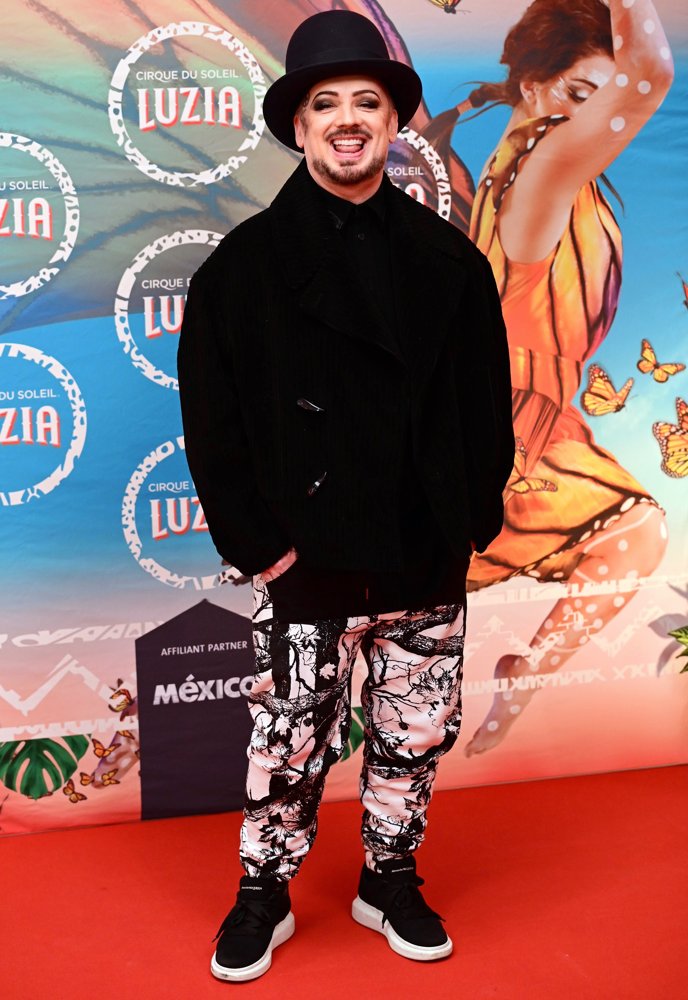
Boy George
The Premiere of Cirque Du Soleil Luzia
Jan 13, 2022

Phoenix Chi Gulzar
The Premiere of Cirque Du Soleil Luzia
Jan 13, 2022

Hayley Palmer
The Premiere of Cirque Du Soleil Luzia
Jan 13, 2022

Imogen Thomas
The Premiere of Cirque Du Soleil Luzia
Jan 13, 2022

Jessie J
The Premiere of Cirque Du Soleil Luzia
Jan 13, 2022




⭐Featured Celebrities