King Charles, the reigning monarch of the United Kingdom and fourteen other Commonwealth realms, stands as one of the most recognized and consequential figures of the modern era. Ascending to the throne in September 2022 following the passing of his mother, Queen Elizabeth II, his life has been a unique tapestry woven from centuries-old tradition, public service, and a distinctly modern advocacy for environmental and architectural causes. As the longest-serving heir apparent in British history, his transition from Prince of Wales to King represents the culmination of a lifetime of preparation and a redefinition of the monarchy’s role for the twenty-first century.
Born at Buckingham Palace in 1948, Charles Philip Arthur George was the first grandchild of King George VI and was created Prince of Wales in 1958, with his formal investiture ceremony held at Caernarfon Castle in 1969. His education at Cheam School, Gordonstoun, and later at Trinity College, Cambridge, where he made history as the first British heir to earn a university degree, shaped a thoughtful and often introspective character. His early years in the royal spotlight were marked by immense public interest, but it was his marriage to Princess Diana in 1981 that catapulted him into an unprecedented global spotlight, a union that produced two sons, Prince William and Prince Harry, before ending in a highly publicized divorce in 1996.
Beyond the headlines of his personal life, Charles devoted his working years to a vast portfolio of charitable endeavors. In 1976, he founded The Prince's Trust, a youth charity that has since helped over a million young people through practical and financial support, establishing itself as his most enduring legacy. His outspoken views on organic farming, climate change, and classical architecture often placed him at odds with political and cultural establishments, yet his prescient warnings on environmental degradation have since become mainstream policy concerns. As a patron of over four hundred organizations, he championed causes ranging from the preservation of historic buildings to the promotion of complementary medicine, demonstrating a tireless work ethic that continued well into his eighth decade. His personal passions, including his renowned painting, which he exhibited under the name Arthur G. Carrick, and his creation of the model town of Poundbury in Dorset, reflect his deep-seated belief in the harmony between humanity and the natural world.
Following his accession, King Charles has sought to balance continuity with his own distinct vision, undertaking the traditional duties of state, including the State Opening of Parliament and hosting visiting dignitaries, while also streamlining the monarchy’s operations. His coronation in May 2023 was a historic event that blended ancient ritual with a deliberate nod to modernity, featuring a multi-faith component and a reduced guest list. Together with his wife, Queen Camilla, whom he married in 2005, he has continued to focus on issues of social cohesion, literacy, and environmental stewardship. While his reign is still in its relative infancy, his legacy as a devoted public servant and a passionate advocate for causes he holds dear is already firmly established, ensuring his place as a pivotal figure in the ongoing story of the British crown.
⭐
Similar Celebrities

📷
Recent Photos

Katie Price
Katie Price Launches Only Fans Channel - Photocall
Jan 26, 2022
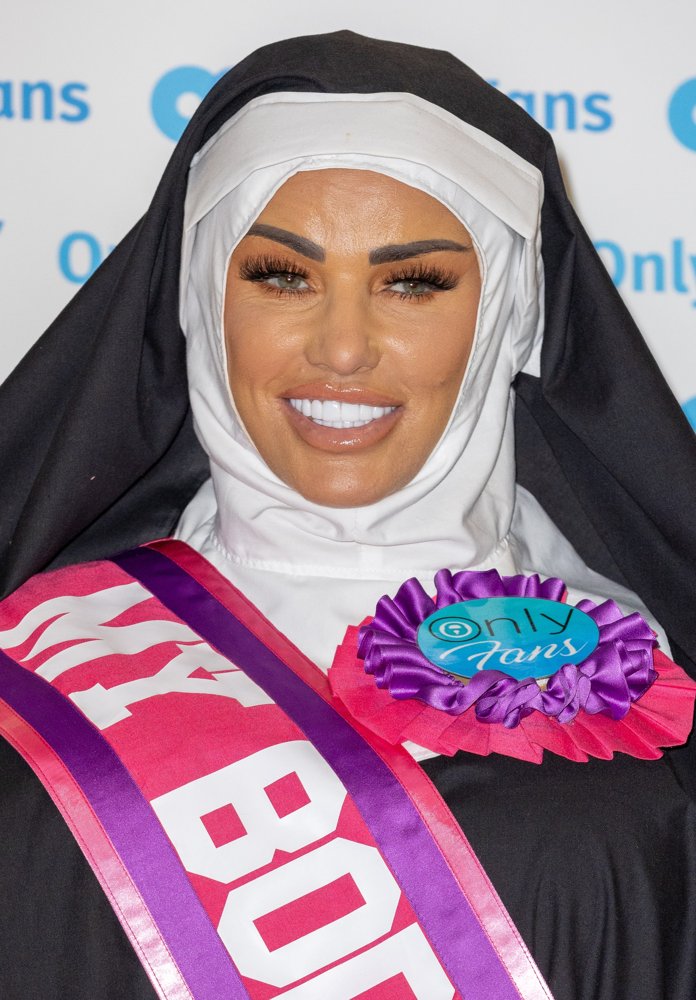
Katie Price
Katie Price Launches Only Fans Channel - Photocall
Jan 26, 2022
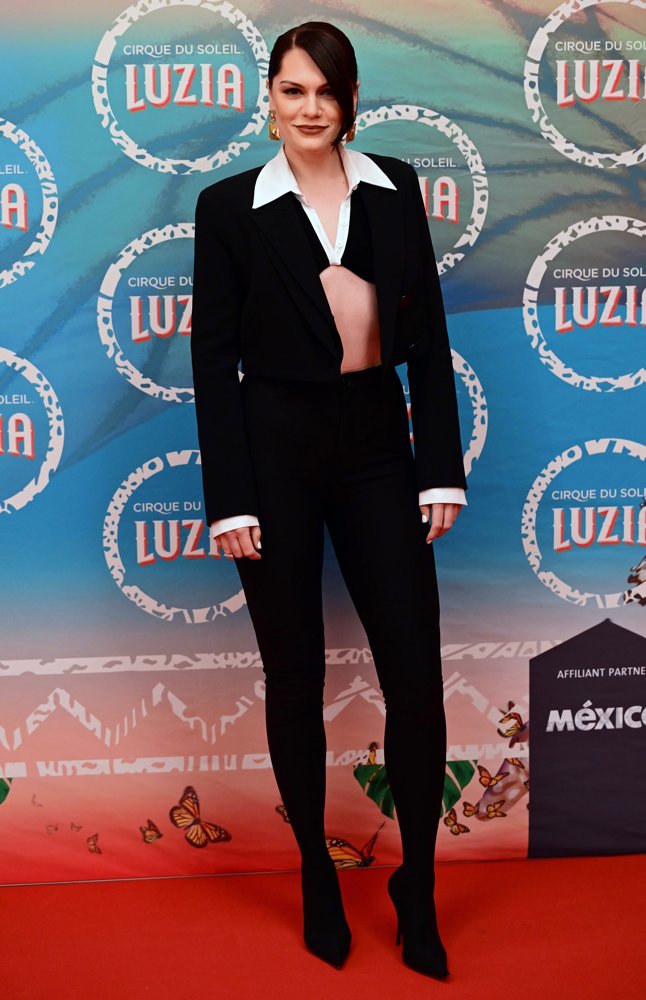
Jessie J
The Premiere of Cirque Du Soleil Luzia
Jan 13, 2022
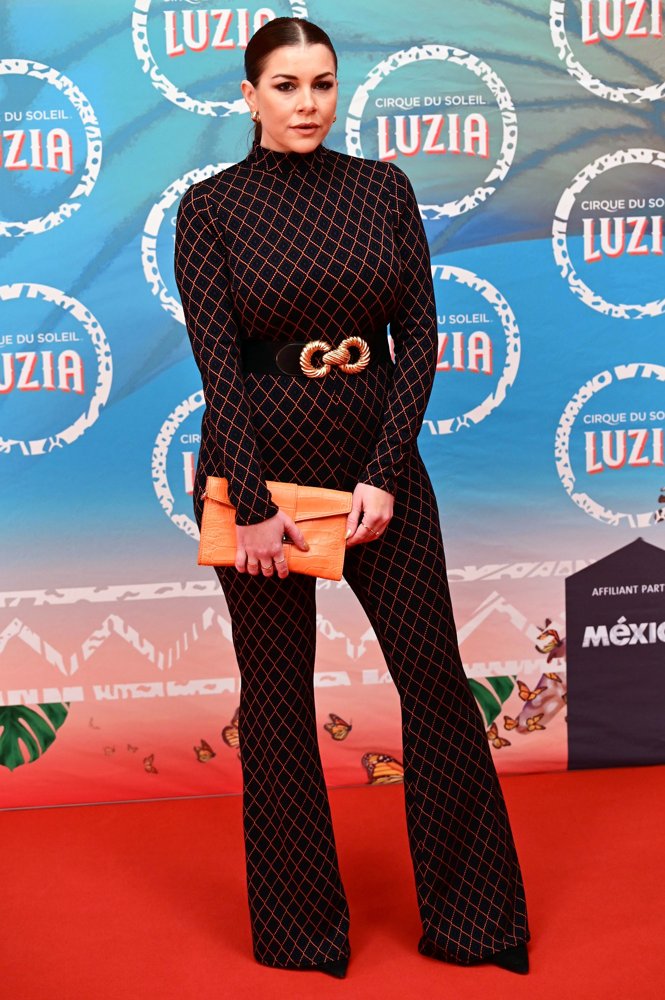
Imogen Thomas
The Premiere of Cirque Du Soleil Luzia
Jan 13, 2022
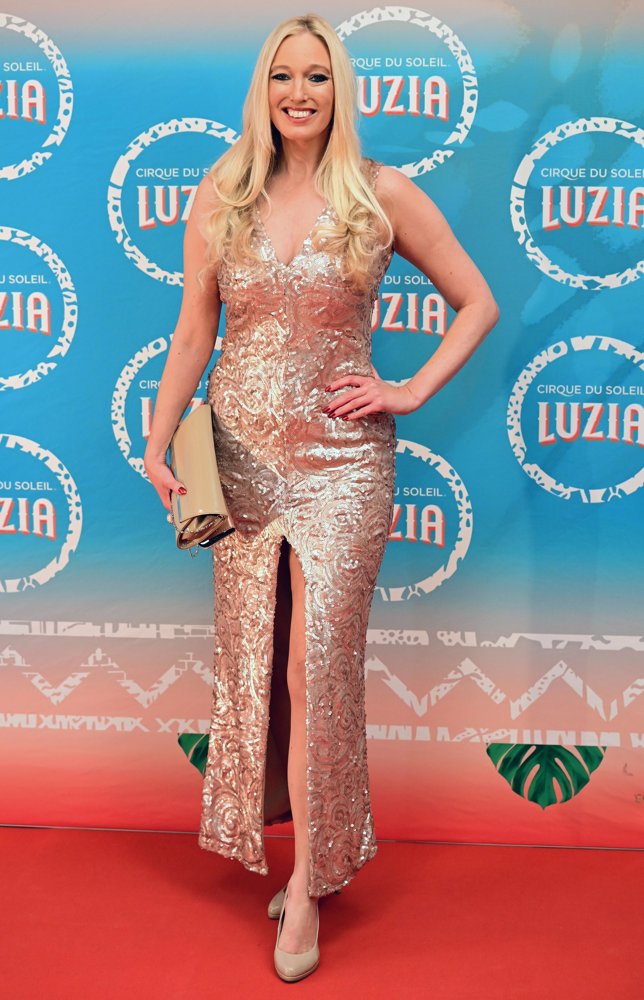
Hayley Palmer
The Premiere of Cirque Du Soleil Luzia
Jan 13, 2022

Phoenix Chi Gulzar
The Premiere of Cirque Du Soleil Luzia
Jan 13, 2022




⭐Featured Celebrities