Karl Otto Lagerfeld, born on September 10, 1933, in Hamburg, Germany, was a towering and enigmatic figure in the world of fashion whose influence spanned more than six decades. Known for his iconic personal uniform of white hair pulled back in a ponytail, black sunglasses, high-starched detachable collars, and fingerless gloves, Lagerfeld was as much a celebrity as the clothes he created. Before his death on February 19, 2019, he had cemented his legacy as one of the most prolific and transformative creative directors in the history of haute couture, revitalizing legacy houses and building his own eponymous empire with an unmatched work ethic and sharp wit.
Lagerfeld’s journey into fashion began in the 1950s when he left Germany for Paris, the industry's epicenter. He found early employment with the esteemed house of Balmain, where he served as an apprentice and assistant before moving on to Jean Patou in 1958. His early years were marked by a restless creativity, and by the 1960s, he had become a freelance designer, working for a variety of European houses. It was during this period that he established a long and fruitful relationship with the French label Chloé, where his romantic, flowing designs in the 1970s helped define the decade’s bohemian chic aesthetic. Simultaneously, he began his association with the Italian luxury house Fendi in 1965, a partnership that would last for the rest of his life and for which he became celebrated for his innovative use of fur, transforming it from a traditional material into a modern, playful medium.
The pivotal moment of his career arrived in 1983 when he was appointed creative director of Chanel, a house that had grown stagnant following the death of its founder, Coco Chanel. Lagerfeld’s task was monumental, but he approached it with a radical reinterpretation that honored the brand's heritage while propelling it into the future. He streamlined the iconic tweed suits, exaggerated the interlocking CC logo, and introduced playful, youthful elements like chain belts, quilted handbags, and costume jewelry, turning Chanel into a global powerhouse once again. His tenure was defined by spectacular runway shows held at the Grand Palais in Paris, featuring everything from a giant rocket ship to a supermarket and a beach, transforming fashion presentations into major cultural events. Beyond Chanel, he continued to design for Fendi and his own label, Karl Lagerfeld, which he launched in 1984, demonstrating an extraordinary ability to balance multiple creative directorships simultaneously.
Lagerfeld was not merely a fashion designer; he was a polymath whose talents extended into photography, film, and publishing. He personally photographed many of the advertising campaigns for Chanel and Fendi, and his work was exhibited in galleries around the world and collected in several published volumes. He also designed stage costumes for theater and opera, and was a voracious reader and collector of books, amassing a personal library of over 300,000 volumes. His collaborations were numerous and eclectic, ranging from high-street retailer H&M to Coca-Cola, and he was known for his sharp, often controversial, quotable commentary on the industry and society. In his later years, he became a mentor to a new generation of models, most notably Kara Delevigne and Kendall Jenner, and his final collections for Chanel and Fendi were presented just months before his passing, a testament to his relentless drive. His death marked the end of an era, but his influence remains imprinted on the fashion landscape, with his protégés, including Virginie Viard at Chanel, continuing his legacy in the modern era.
⭐
Similar Celebrities


📷
Recent Photos
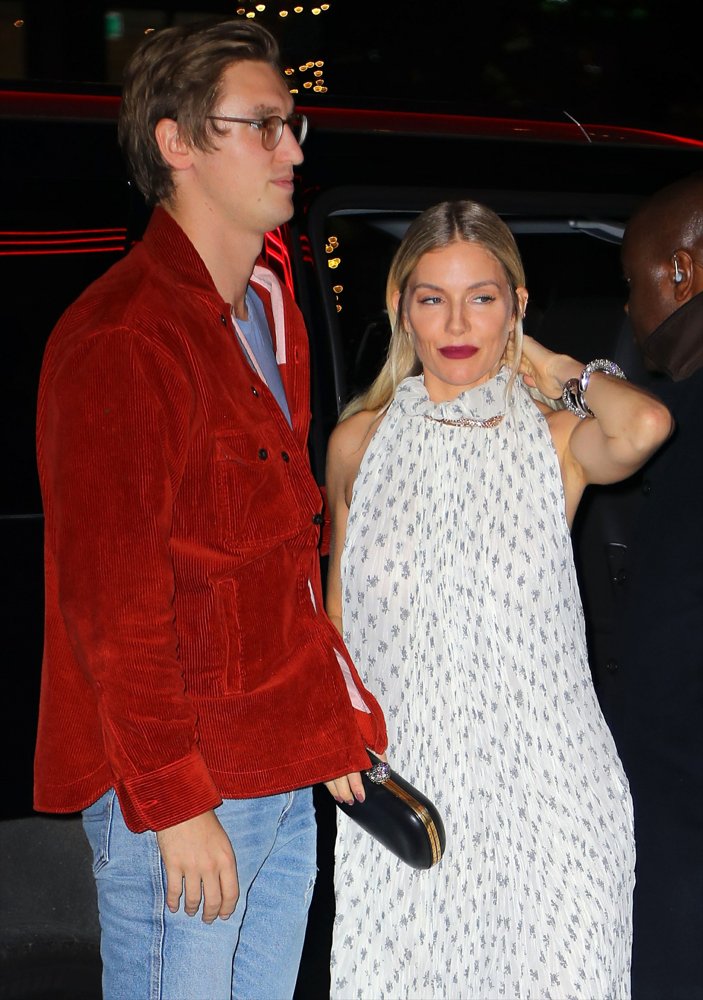
Lucas Zwirner
21 Bridges Screening
Nov 19, 2019
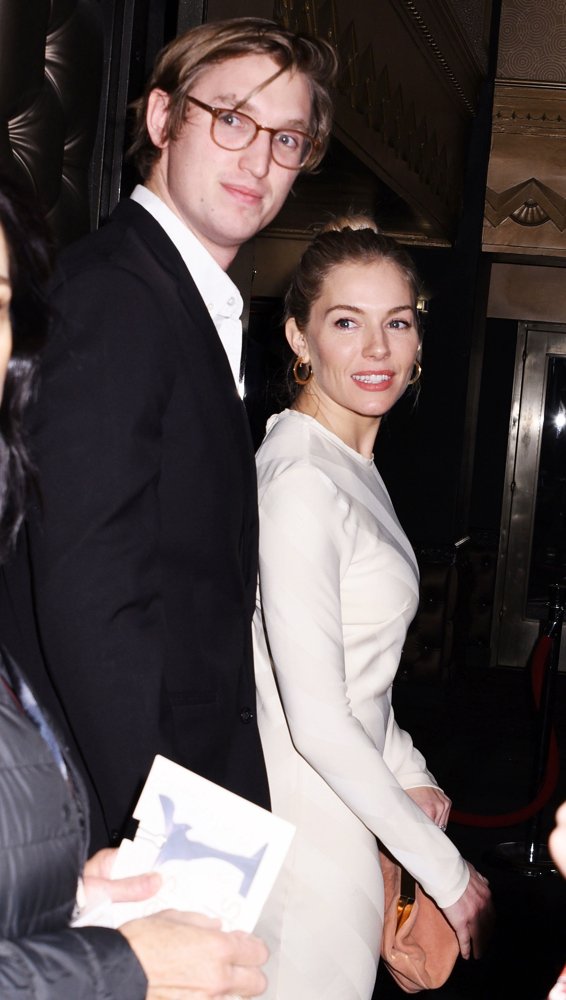
Lucas Zwirner
The 72nd Annual Writers Guild Awards
Feb 1, 2020

Zuri Tibby
Victoria's Secret Fashion Show Viewing Party - Red Carpet Arrivals
Dec 2, 2018
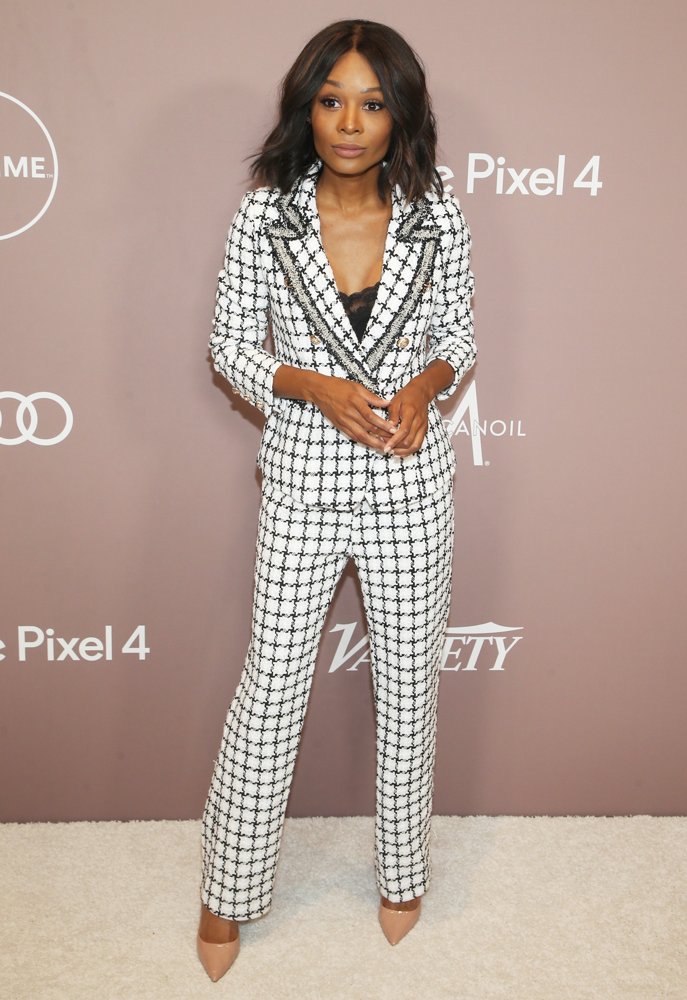
Zuri Hall
Variety's Power of Women 2019 - Arrivals
Oct 11, 2019
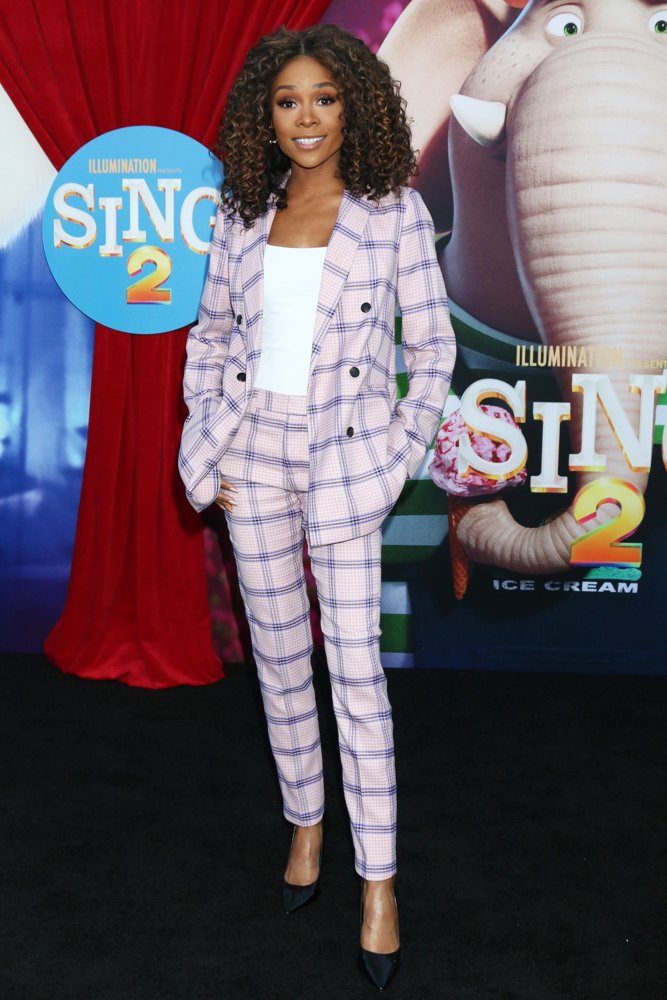
Zuri Hall
Sing 2 Premiere - Arrivals
Dec 12, 2021
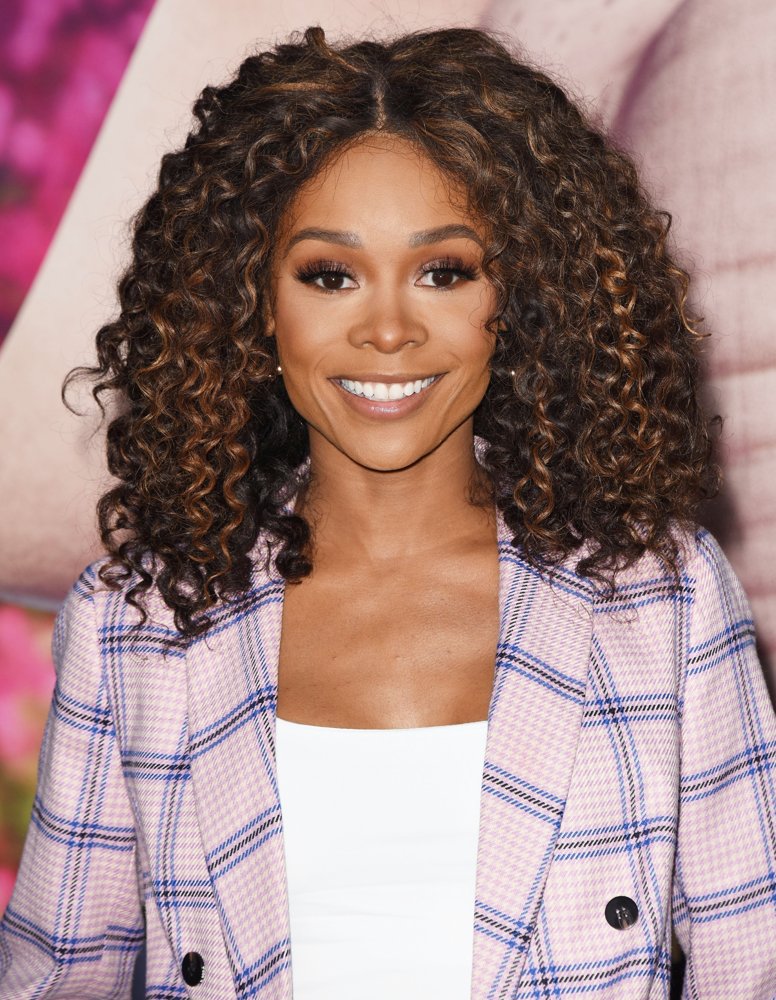
Zuri Hall
Sing 2 Premiere - Arrivals
Dec 12, 2021





⭐Featured Celebrities