Hattie McDaniel carved her name into the annals of Hollywood history as a trailblazing performer whose talent and perseverance shattered racial barriers in an era defined by segregation. Born on June 10, 1893, in Wichita, Kansas, she rose from humble beginnings to become the first African American to win an Academy Award, a milestone that remains one of the most significant moments in cinematic history. Her portrayal of Mammy in Gone with the Wind (1939) not only earned her the Oscar for Best Supporting Actress but also cemented her legacy as a formidable force in an industry that often relegated Black performers to stereotypical roles.
McDaniel’s journey to stardom began long before her historic Oscar win. Growing up in Denver, Colorado, she displayed an early aptitude for entertainment, performing in church and school productions. She eventually joined her brother’s traveling minstrel show, honing her skills as a singer and comedian. By the mid-1920s, she had transitioned to radio, becoming the first Black woman to sing on air in the United States, a groundbreaking achievement that showcased her versatility. Between 1926 and 1929, she recorded sixteen blues sides, further demonstrating her musical prowess. Her big break came in the early 1930s when she moved to Los Angeles and began securing small film roles, often as a maid or cook, which were among the few parts available to Black actresses at the time. Despite these limitations, her commanding presence and sharp comedic timing made her stand out, leading to memorable performances in films such as Alice Adams (1935) and In This Our Life (1942). She also delivered notable work in Since You Went Away (1944) and Song of the South (1946), though her filmography, which included over 300 appearances, yielded on-screen credits for only 83 of them.
The pinnacle of McDaniel’s career arrived with her role in Gone with the Wind, a performance that earned her the Academy Award in 1940. Yet even this triumph was marred by the racism that pervaded every aspect of her life. She was barred from attending the film’s premiere in Atlanta, which was held at a whites-only theater, and at the Oscars ceremony in Los Angeles, she was seated at a segregated table at the far side of the room. Nevertheless, her acceptance speech was gracious and heartfelt, and her victory was a symbolic breakthrough for Black artists in Hollywood. Beyond her film work, McDaniel remained a pioneering presence in broadcast media, captivating audiences on radio and later television, and she was honored with two stars on the Hollywood Walk of Fame. Her contributions were further recognized posthumously when she was inducted into the Black Filmmakers Hall of Fame in 1975, and in 2006, she became the first Black Oscar winner to be commemorated on a U.S. postage stamp. In 2010, she was inducted into the Colorado Women’s Hall of Fame, cementing her place in the broader narrative of American cultural history.
McDaniel’s life was a testament to resilience in the face of systemic injustice. She passed away on October 26, 1952, from breast cancer, and even her final wish was denied when Hollywood Cemetery refused to bury her because of its segregationist policies. She was instead laid to rest at Rosedale Cemetery in Los Angeles. Her legacy, however, transcends the indignities she endured; she opened doors for generations of Black performers and remains a symbol of courage and excellence. Today, her star on the Hollywood Walk of Fame and her historic Oscar serve as enduring reminders of a woman who refused to be defined by the limitations imposed upon her, leaving an indelible mark on the entertainment industry and the fight for equality.
⭐
Similar Celebrities




📷
Recent Photos
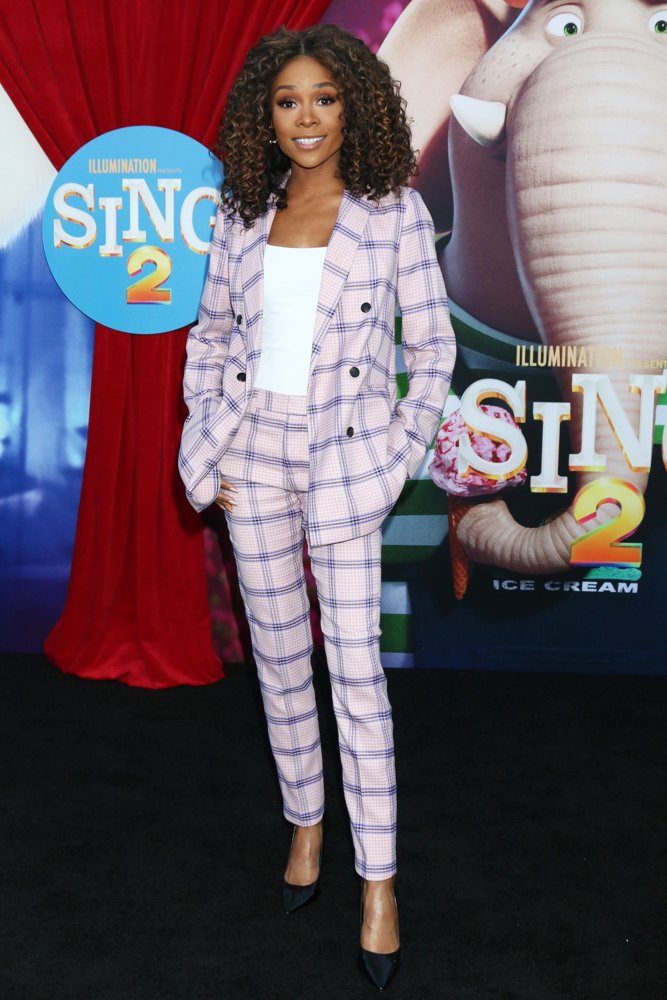
Zuri Hall
Sing 2 Premiere - Arrivals
Dec 12, 2021
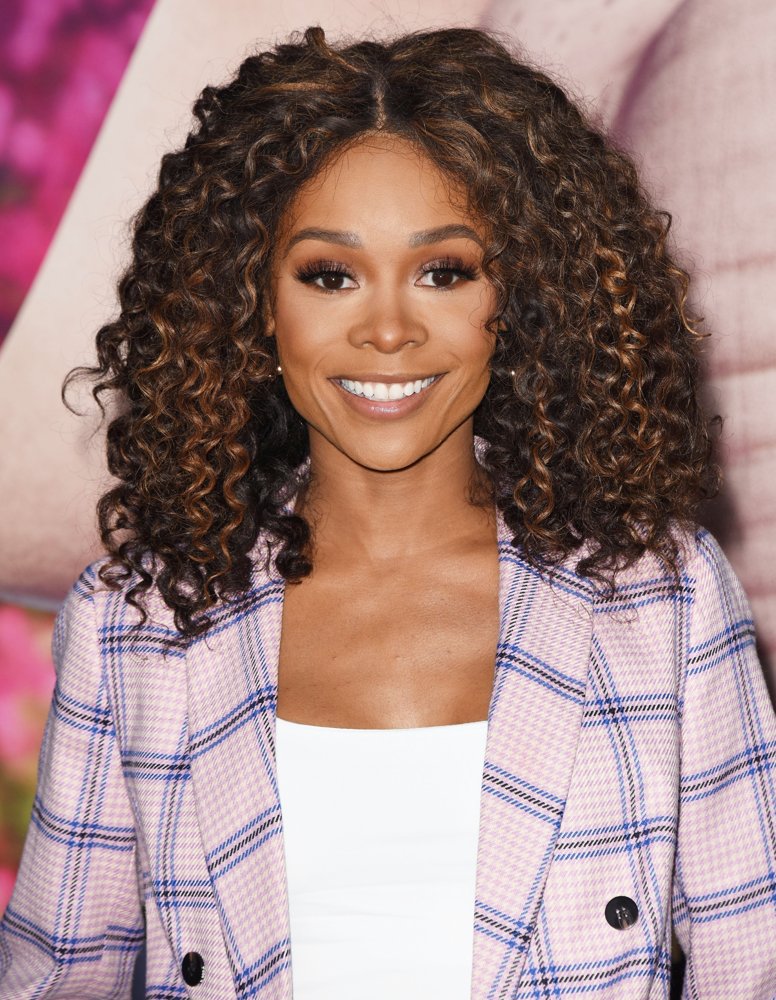
Zuri Hall
Sing 2 Premiere - Arrivals
Dec 12, 2021
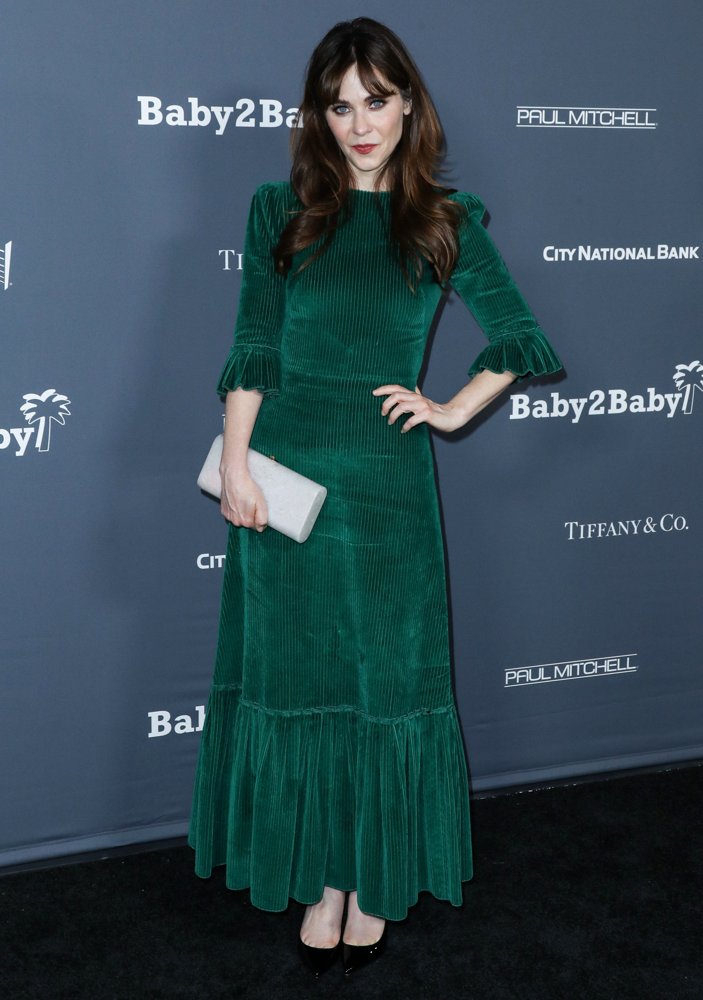
Zooey Deschanel
Baby2Baby 10-Year Gala 2021
Nov 13, 2021
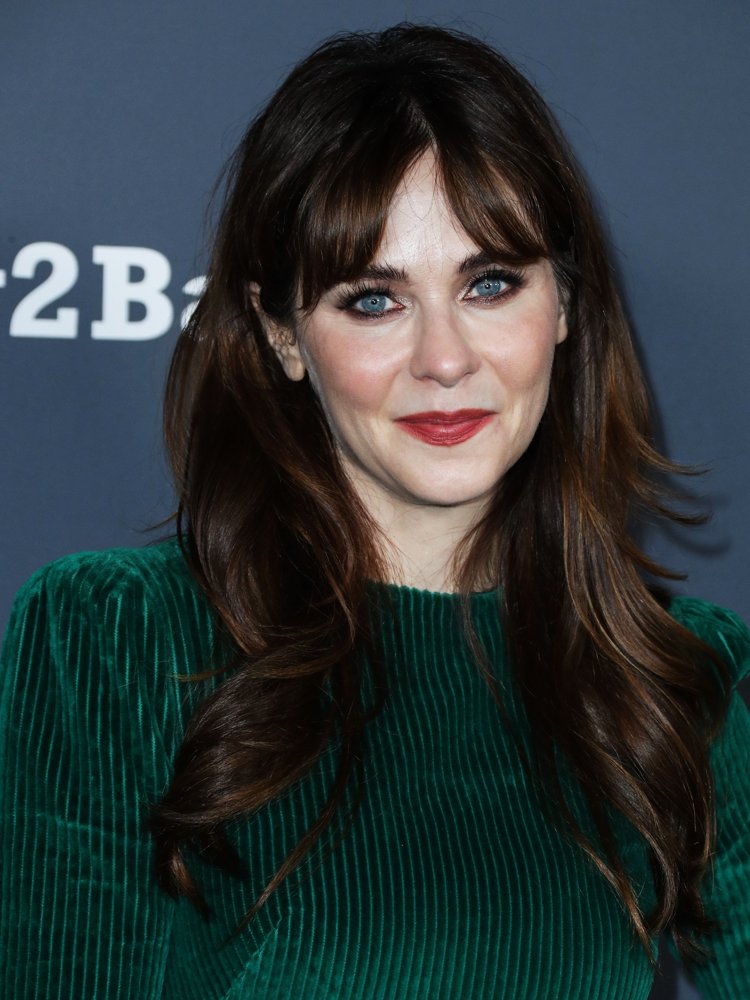
Zooey Deschanel
Baby2Baby 10-Year Gala 2021
Nov 13, 2021
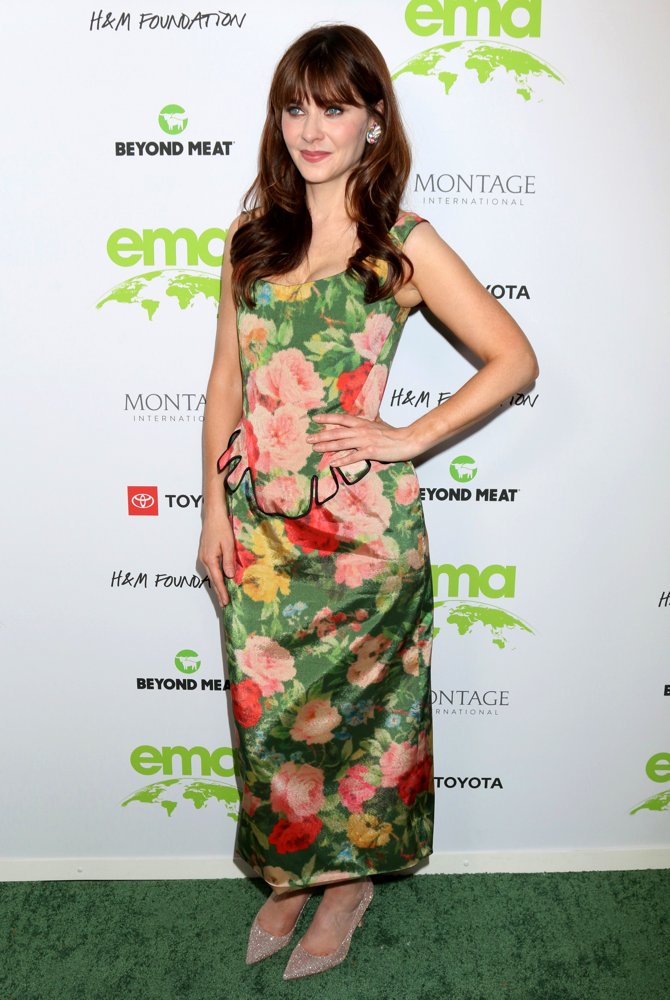
Zooey Deschanel
2021 Environmental Media Association Awards
Oct 16, 2021
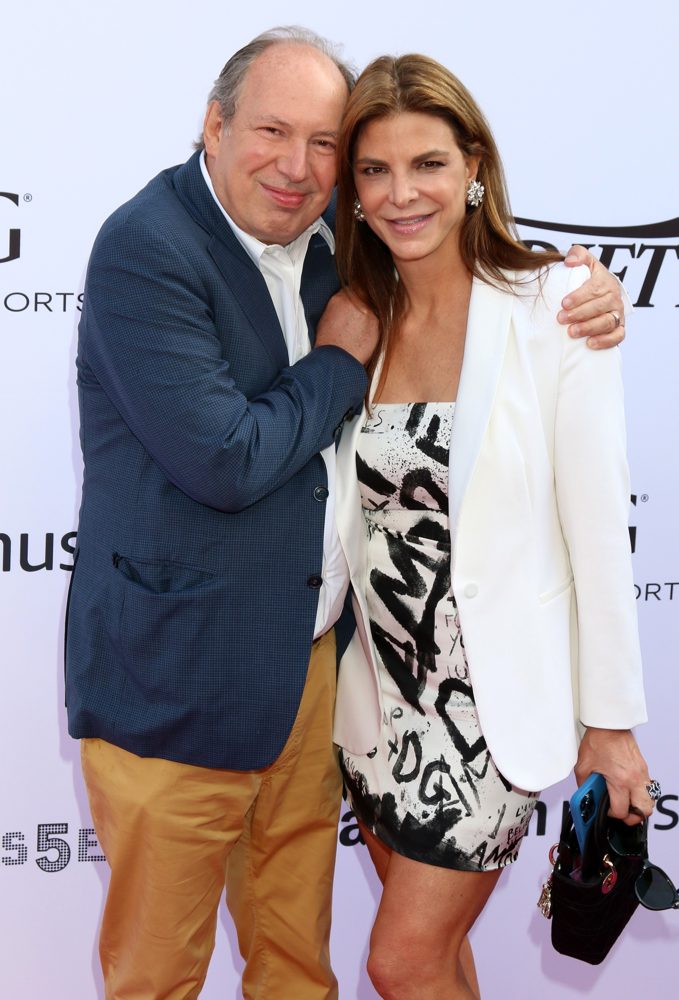
Hans Zimmer
Variety 2021 Music Hitmakers Brunch
Dec 4, 2021


⭐Featured Celebrities