Barack Hussein Obama II, born on August 4, 1961, in Honolulu, Hawaii, stands as one of the most consequential and historic figures in American political history, having served as the 44th president of the United States from 2009 to 2017. As the first African American to hold the nation’s highest office, Obama’s journey from community organizer to the White House reshaped the political landscape and inspired millions worldwide. A member of the Democratic Party, he previously represented Illinois in the United States Senate from 2005 to 2008 and served in the Illinois State Senate from 1997 to 2004, building a career defined by eloquence, legal acumen, and a message of hope and unity.
Obama’s early life was marked by diversity and intellectual curiosity. After graduating from Columbia University in 1983, he moved to Chicago, where he worked as a community organizer on the city’s South Side, an experience that deeply influenced his later political vision. In 1988, he enrolled at Harvard Law School, where he achieved a historic milestone by becoming the first Black president of the Harvard Law Review. Following his graduation, Obama worked as a civil rights attorney and taught constitutional law at the University of Chicago Law School from 1992 to 2004. His political career began in earnest in 1996 when he was elected to the Illinois Senate, and after an unsuccessful bid for the U.S. House of Representatives in 2000, he captured national attention with a stirring keynote address at the 2004 Democratic National Convention. That same year, he won a U.S. Senate seat, setting the stage for his meteoric rise.
The 2008 presidential election catapulted Obama onto the world stage. After a fiercely contested primary battle against Hillary Clinton, he secured the Democratic nomination and selected Joe Biden as his running mate, ultimately defeating Republican nominee John McCain and his vice-presidential pick Sarah Palin. His presidency began amid the gravest economic crisis since the Great Depression, and his administration responded with the American Recovery and Reinvestment Act of 2009, a sweeping stimulus package. He also signed into law the Affordable Care Act, a landmark health care reform that extended coverage to millions, and the Dodd-Frank Wall Street Reform and Consumer Protection Act to regulate the financial industry. In 2009, Obama was awarded the Nobel Peace Prize for his efforts in international diplomacy, a decision that drew both praise and criticism. He also appointed two Supreme Court justices, Sonia Sotomayor and Elena Kagan, with Sotomayor becoming the first Hispanic American on the Court.
On the global stage, Obama’s first term was defined by significant military and diplomatic actions. He oversaw the end of the Iraq War, ordered Operation Neptune Spear, the raid that killed al-Qaeda leader Osama bin Laden, and authorized the 2011 military intervention in Libya that contributed to the overthrow of Muammar Gaddafi. He also shifted U.S. counterterrorism strategy toward expanded air strikes and special forces operations. Re-elected in 2012 over Republican challenger Mitt Romney, Obama’s second term saw him advocate for gun control following the Sandy Hook Elementary School shooting, take executive action to combat climate change, and sign the Paris Agreement. He initiated sanctions against Russia after its invasion of Ukraine and again following interference in the 2016 U.S. elections, ordered military intervention against ISIL in Iraq, negotiated the Joint Comprehensive Plan of Action nuclear agreement with Iran, and normalized relations with Cuba. He also became the first sitting U.S. president to publicly support same-sex marriage, advancing LGBTQ inclusion.
Since leaving office in 2017, Obama has remained a prominent and active figure in public life. He has campaigned for Democratic candidates, including Joe Biden’s successful 2020 presidential bid, and has authored three best-selling books: Dreams from My Father (1995), The Audacity of Hope (2006), and A Promised Land (2020). His presidential center on the South Side of Chicago opened in June 2026, cementing his legacy as a community-focused leader. Historians and political scientists consistently rank Obama highly in historical assessments of U.S. presidents, and as of 2026, he is the youngest-living former president, continuing to shape discourse on democracy, citizenship, and leadership.
⭐
Similar Celebrities

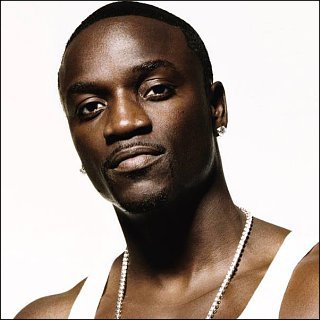
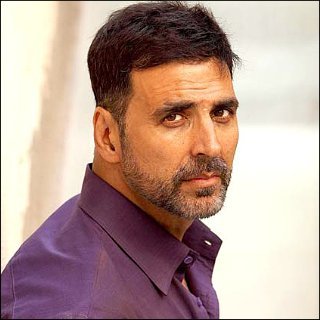
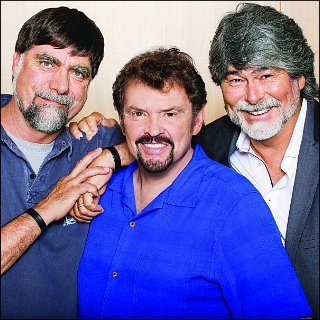

📷
Recent Photos

Lucas Zwirner
21 Bridges Screening
Nov 19, 2019

Lucas Zwirner
The 72nd Annual Writers Guild Awards
Feb 1, 2020
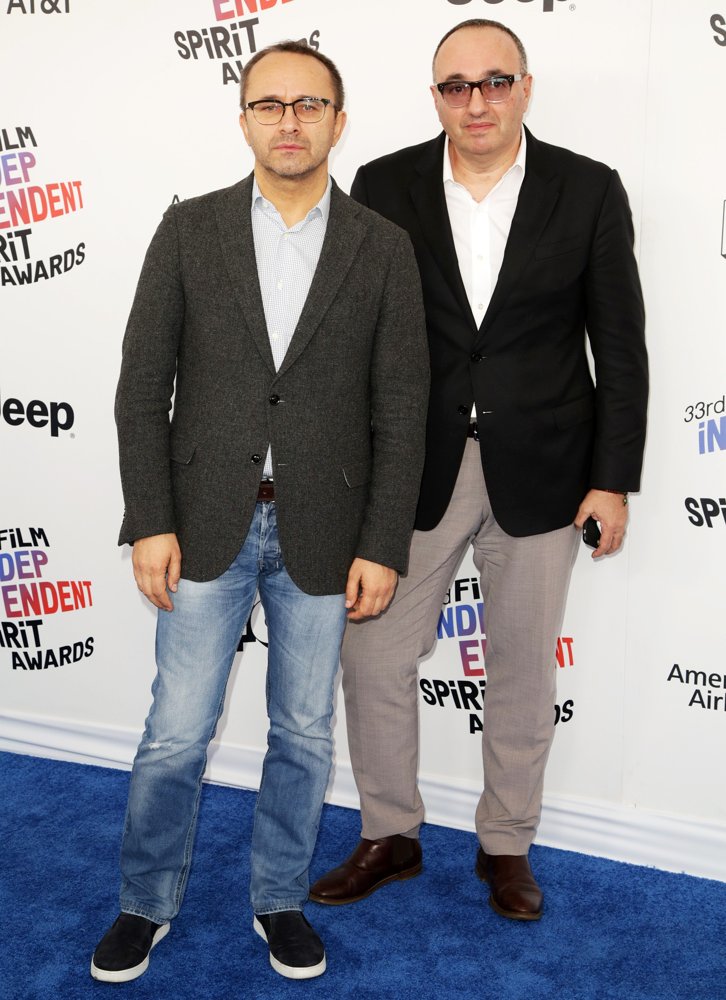
Andrey Zvyagintsev
2018 Film Independent Spirit Awards - Arrivals
Mar 3, 2018

Zuri Tibby
Victoria's Secret Fashion Show Viewing Party - Red Carpet Arrivals
Dec 2, 2018

Zuri Hall
Variety's Power of Women 2019 - Arrivals
Oct 11, 2019

Zuri Hall
LA Premiere of The Spy Who Dumped Me
Jul 25, 2018



⭐Featured Celebrities