Amal Clooney stands as one of the most formidable and internationally recognized human rights lawyers of her generation, a figure whose legal acumen has placed her at the center of some of the most consequential cases of the modern era. Born Amal Alamuddin on 3 February 1978 in Beirut, Lebanon, she came of age amidst the tumult of the Lebanese Civil War before her family relocated to London, where she would lay the foundations for a remarkable career. Her journey from a war-torn childhood to the hallowed halls of global justice is a testament to her intellect, resilience, and unwavering commitment to the rule of law.
Educated at the prestigious St. Hugh's College, Oxford, and later at the New York University School of Law, Clooney’s legal career began with a clerkship at the International Court of Justice in The Hague, a formative experience that would shape her future focus on international law. She subsequently joined the London-based firm Doughty Street Chambers, where she quickly established herself as a specialist in international law, human rights, and extradition. Her early work involved representing clients before the European Court of Human Rights and the International Criminal Court, building a reputation for meticulous preparation and fearless advocacy that would soon attract global attention.
Clooney’s roster of high-profile clients reads like a who’s who of contemporary political and social upheaval, each case underscoring her dedication to defending the vulnerable and the persecuted. She has represented former Maldivian president Mohamed Nasheed, whose imprisonment she argued was politically motivated, and WikiLeaks founder Julian Assange in his protracted extradition battle. She served as counsel for former Ukrainian prime minister Yulia Tymoshenko, and notably acted for Yazidi human rights activist Nadia Murad in her landmark legal efforts against ISIS, a collaboration that highlighted Clooney’s ability to translate personal tragedy into systemic legal action. Her work has extended to journalists facing persecution, including Filipino-American journalist Maria Ressa, Azerbaijani journalist Khadija Ismayilova, and Egyptian-Canadian journalist Mohamed Fahmy, championing press freedom in some of the world’s most repressive environments.
Beyond her courtroom victories, Clooney has made significant contributions to the academic and institutional frameworks of international law. She serves as a Professor of Practice in International Law at the Blavatnik School of Government at the University of Oxford, where she imparts her practical experience to the next generation of legal minds. In a pioneering move, she co-founded the Oxford Institute of Technology and Justice, a research body dedicated to harnessing the power of artificial intelligence to increase access to justice, reflecting her forward-thinking approach to the intersection of law and technology. This initiative positions her not only as a practitioner of existing law but as an architect of its future applications.
While her professional achievements are extraordinary in their own right, Clooney’s personal life has also placed her firmly in the public eye. In 2014, she married actor and filmmaker George Clooney in a lavish ceremony in Venice, Italy, a union that seamlessly blended the worlds of legal activism and Hollywood glamour. The couple, who have since welcomed twins, have become a formidable philanthropic duo, with Amal continuing her legal work while also lending her support to various humanitarian causes alongside her husband. Though often photographed on red carpets, she has consistently maintained that her legal career remains her primary focus, a distinction she has upheld with considerable grace. Today, Amal Clooney remains an active and influential voice in international law, a tireless advocate for justice whose legacy is defined not by her famous surname but by the profound impact of her work on the global stage.
⭐
Similar Celebrities

📷
Recent Photos
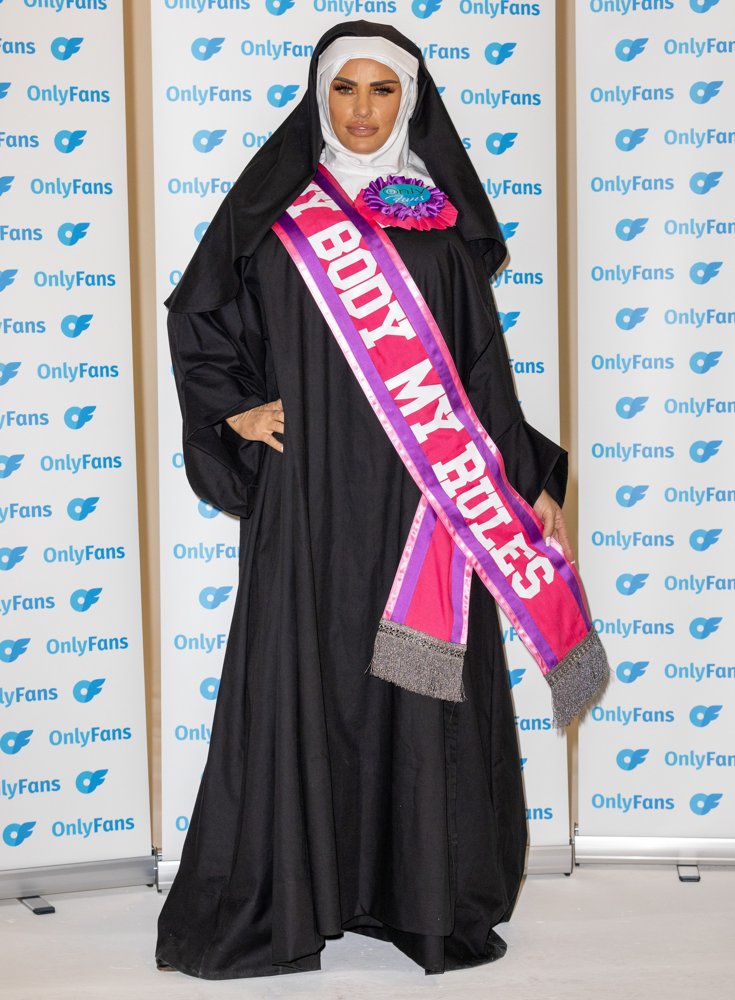
Katie Price
Katie Price Launches Only Fans Channel - Photocall
Jan 26, 2022
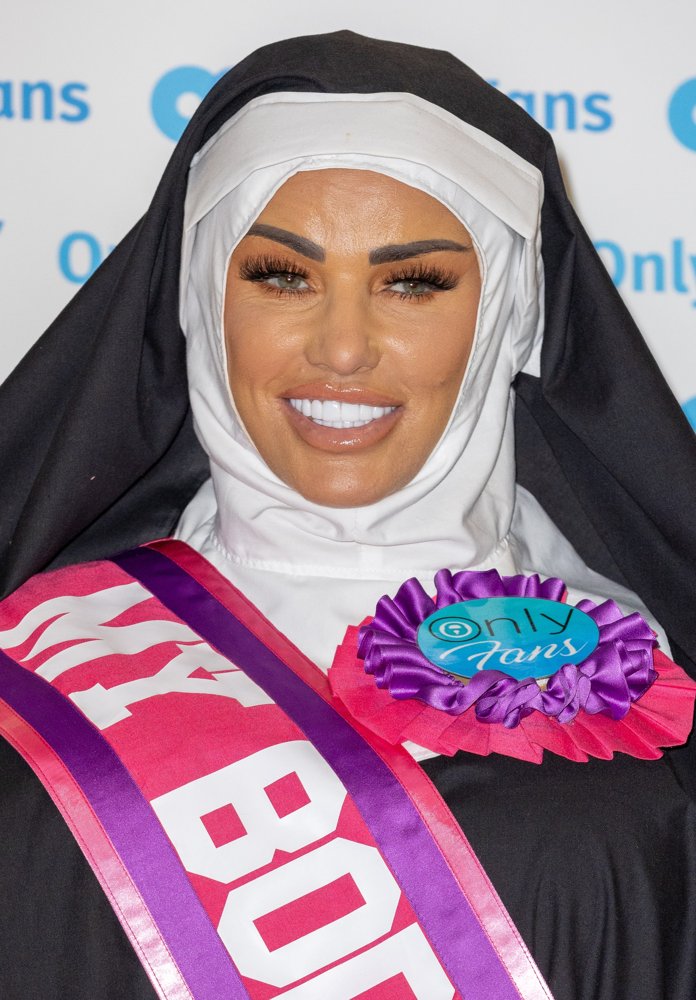
Katie Price
Katie Price Launches Only Fans Channel - Photocall
Jan 26, 2022
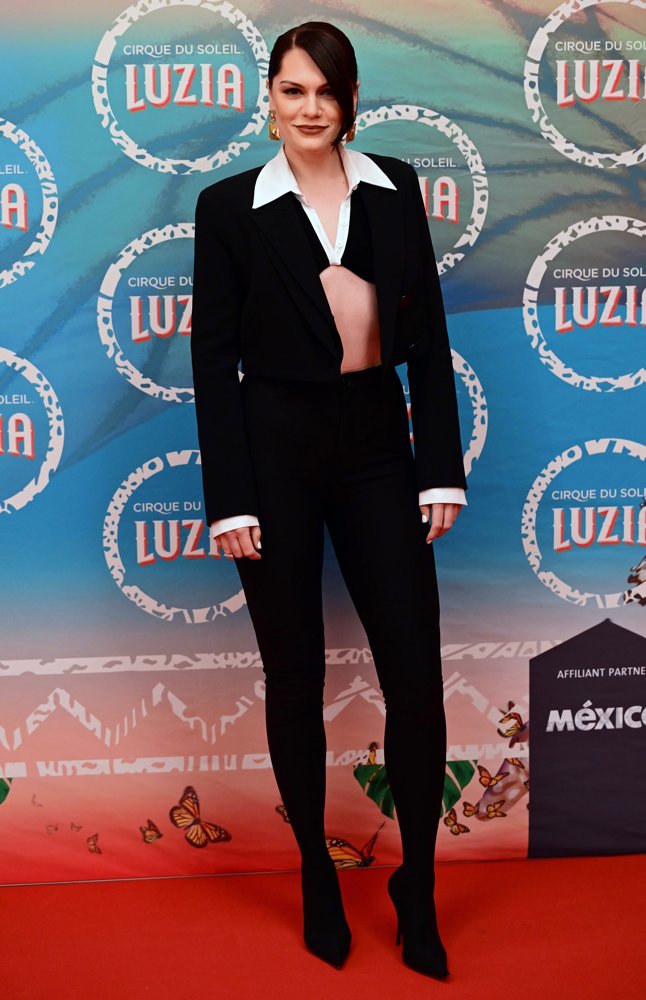
Jessie J
The Premiere of Cirque Du Soleil Luzia
Jan 13, 2022
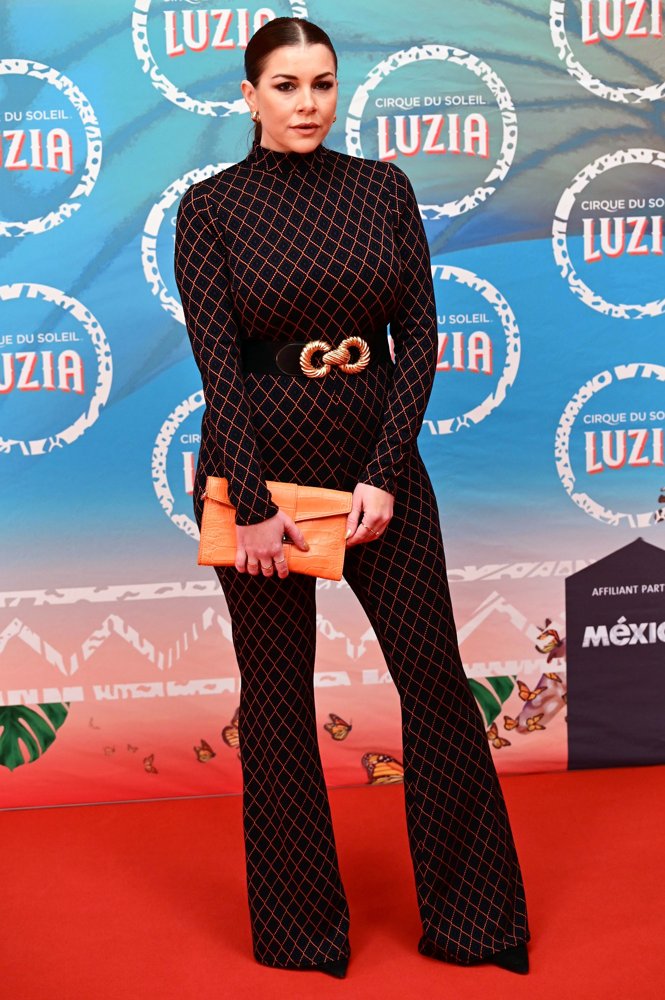
Imogen Thomas
The Premiere of Cirque Du Soleil Luzia
Jan 13, 2022
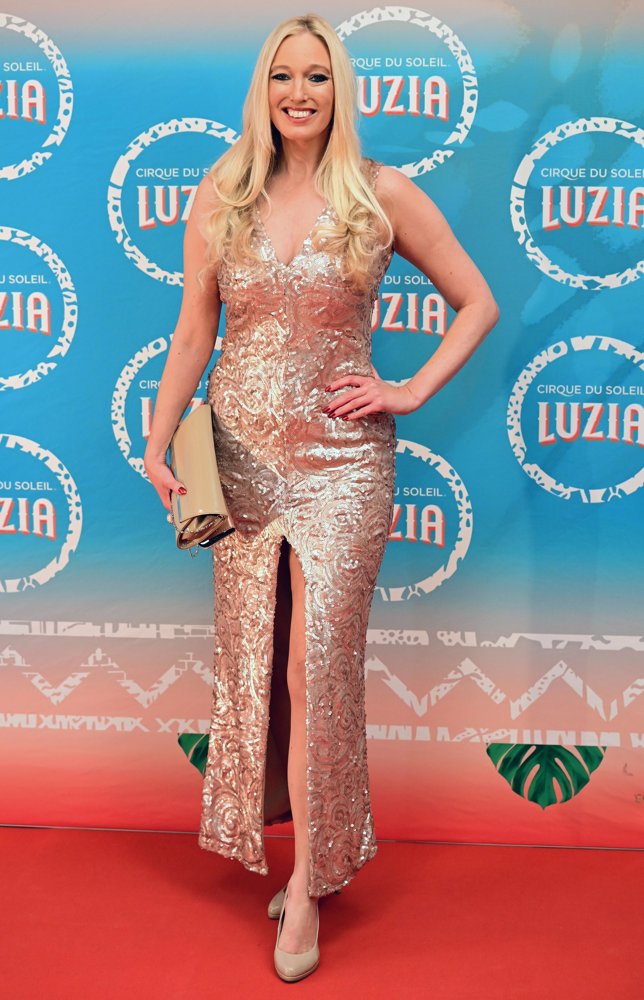
Hayley Palmer
The Premiere of Cirque Du Soleil Luzia
Jan 13, 2022

Phoenix Chi Gulzar
The Premiere of Cirque Du Soleil Luzia
Jan 13, 2022



⭐Featured Celebrities