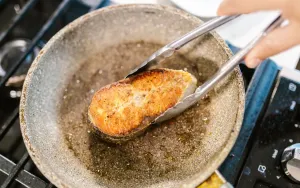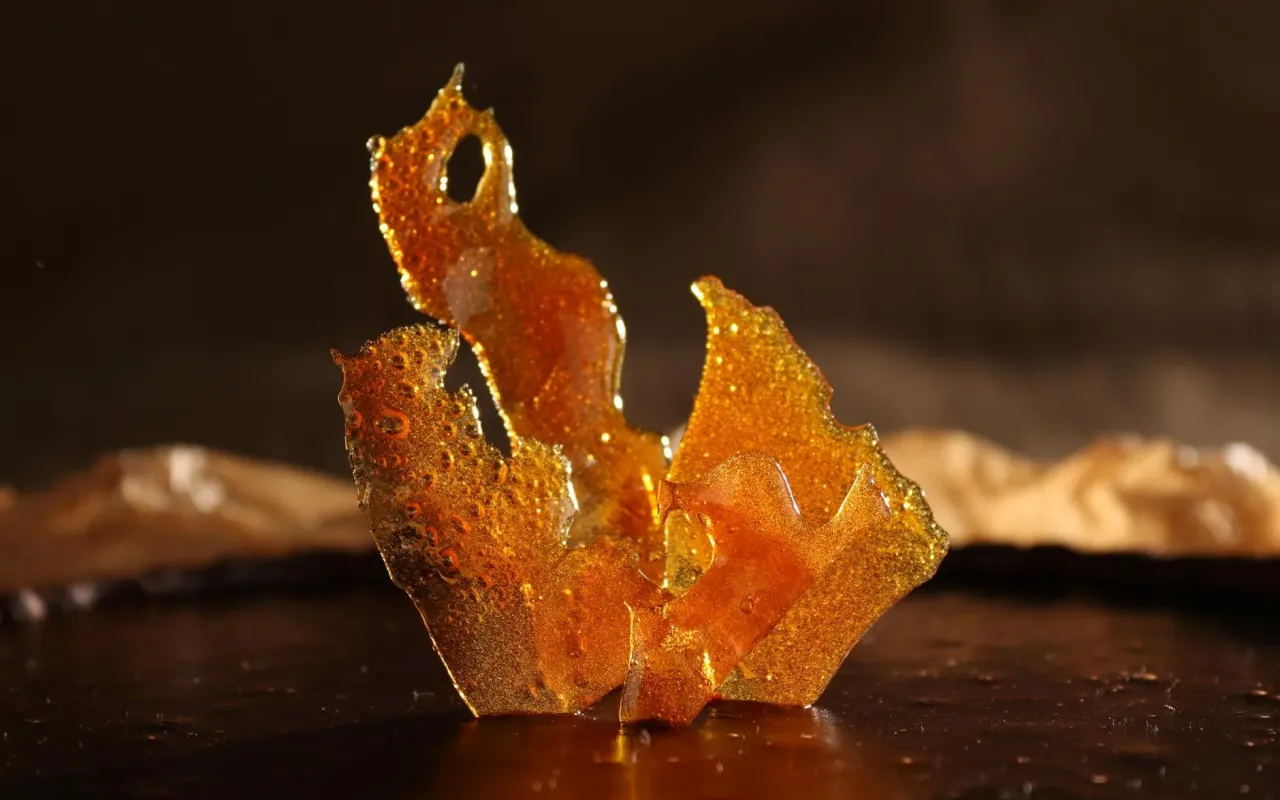
Caramelization and Maillard reaction aren't the same. Learn how each works, when they happen, and why it matters for your cooking.
- June 7, 2026
AceShowbiz - You've probably stood over a hot pan, watching onions turn from stark white to translucent to a deep, sticky amber, and thought, "That's caramelization." And you'd be right. But then you sear a steak, and that brown, crispy crust forms—you might call that caramelization too. Here's the thing: you're wrong about the steak. That rich, savory crust is the result of a completely different chemical process called the Maillard reaction. And confusing the two is why your sauces sometimes taste flat or your roasted vegetables lack depth. Let me break down the actual science so you can stop guessing and start cooking with intention.
What Caramelization Actually Is (And Isn't)
Caramelization is the thermal decomposition of sugars. It's purely about sugar molecules breaking down under heat, and it's the simpler of the two reactions. When you heat sugar—whether it's granulated white sugar, the natural sugars in onions, or the fructose in fruit—the molecules begin to lose water and rearrange into hundreds of new compounds. These compounds include diacetyl (which gives a buttery flavor), maltol (toasty aroma), and furans (sweet, nutty notes). The result is that signature amber color and a flavor that ranges from sweet and nutty to slightly bitter, depending on how far you push it.
Caramelization typically starts at around 320°F (160°C) for pure sucrose, but it can begin as low as 230°F (110°C) for fructose, which is why honey or fruit can caramelize faster than plain table sugar. Here's where most home cooks get tripped up: caramelization requires dry heat. If your onions are swimming in water at 212°F (100°C), they'll steam and soften, but they won't caramelize. You need to cook off the moisture first, then let the temperature climb above the boiling point of water. That's why a good caramelized onion recipe takes 45 minutes, not 10.
The practical takeaway? If you want deep, sweet caramel flavor, you need patience and high heat—but not too high. Push past 350°F (177°C) for too long, and the sugar will burn, turning acrid and black. This is why making caramel sauce is a delicate dance: you want the sugar to melt and darken, but you have to pull it off the heat the second it hits that deep amber. A second too late, and you're scraping a black mess off your pan.
The Maillard Reaction: Where the Real Flavor Lives
The Maillard reaction is named after French chemist Louis-Camille Maillard, who first described it in 1912. Unlike caramelization, this reaction involves both sugars and amino acids (the building blocks of proteins). When you heat a food containing both—like meat, bread, or coffee beans—the amino acids and reducing sugars react to form hundreds of flavor compounds and dark brown pigments called melanoidins. This is what gives seared steak its crust, toast its color, and coffee its rich aroma. The Maillard reaction starts at a lower temperature than caramelization, around 285°F (140°C), but it only really kicks into high gear above 310°F (155°C).
Here's the cool part: the Maillard reaction doesn't just create one flavor. Depending on the specific amino acids and sugars involved, you can get everything from meaty, umami notes to floral, nutty, or even chocolatey undertones. That's why a seared ribeye tastes completely different from a roasted chicken thigh, even though both undergo the Maillard reaction. The amino acid profile of beef is different from poultry, so the reaction produces a different set of flavor compounds. This is also why toasting nuts or seeds brings out such distinct aromas—the proteins and sugars in each nut type react uniquely.
But here's the critical warning: the Maillard reaction stops when water is present. If your pan is crowded with meat that's releasing moisture, the temperature will hover around 212°F (100°C) as the water evaporates. You'll never hit the 300°F+ needed for browning. Instead, your meat will steam and turn gray. This is why chefs always pat steaks bone-dry with paper towels before searing. It's also why you should never overcrowd your pan. Give your food space, or accept that you're boiling, not browning.
Why You've Been Getting Roasted Vegetables Wrong
Think about your last sheet pan of roasted broccoli or Brussels sprouts. Did they come out beautifully browned and nutty, or pale and limp? If it was the latter, you likely didn't get the Maillard reaction going. Vegetables contain both sugars and proteins (yes, even plants have protein), so they can undergo the Maillard reaction. But their high water content is the enemy. A raw Brussels sprout is about 86% water. Until that water evaporates, the surface temperature can't climb above 212°F. That's fine for steaming, but useless for browning.
The fix is simple: higher heat and less crowding. Roast vegetables at 425°F (218°C) or even 450°F (232°C). Spread them in a single layer with space between each piece. Toss them in a thin coating of oil, which helps conduct heat and promotes browning. And here's a pro tip: don't salt them until after roasting. Salt draws out moisture via osmosis, creating steam pockets that prevent browning. If you salt your veggies before they hit the oven, you're essentially creating a wet surface that will steam instead of sear. Season after they come out, and you'll get that caramelized-meets-Maillard crust that makes vegetables addictive.
Another mistake: using too much oil. A light coating helps, but a heavy layer acts as an insulator, slowing heat transfer. You want just enough to coat the surface. Think of it as a thin film, not a bath. This is why restaurant-style roasted vegetables taste so much better—they use high heat, dry surfaces, and just enough fat to encourage browning without drowning the food.
How to Use Both Reactions in One Dish
The magic happens when you combine caramelization and the Maillard reaction in the same recipe. Take a classic French onion soup. You start by slowly caramelizing onions in butter or oil. This takes 30–45 minutes of gentle heat, letting the natural sugars break down into sweet, golden goodness. But then, to get that deep, complex flavor, you deglaze with wine and let it reduce, and you often finish the soup under the broiler with a slice of bread and Gruyère cheese. The broiler triggers the Maillard reaction on the cheese and bread, creating a savory, nutty crust that contrasts beautifully with the sweet, caramelized onions below.
Another example: seared scallops. A properly cooked scallop has a golden-brown crust (Maillard reaction) and a sweet, tender interior. The natural sugars in the scallop also undergo mild caramelization on the surface, adding a hint of sweetness. To achieve this, pat the scallops dry, season lightly, and sear in a hot pan with butter. The butter's milk solids also brown (another Maillard reaction), adding nuttiness. The result is a crust that's both savory and sweet. If you overcrowd the pan or use low heat, you get pale, rubbery scallops with no depth.
You can even manipulate which reaction dominates. For a steak, you want the Maillard reaction to take center stage for savory, meaty flavor. But if you add a sprinkle of sugar to your steak rub (common in Korean barbecue), you introduce more sugar for caramelization, creating a sweet-savory crust. The key is knowing that both reactions happen simultaneously above certain temperatures, but you can tilt the balance by adjusting sugar content and cooking time. A short, hot sear favors Maillard; a longer, gentler cook favors caramelization.
Common Myths That Ruin Your Cooking
Let's bust some myths. First: "Browning equals caramelization." No. Most browning in savory cooking is the Maillard reaction. Unless you're cooking something with very high sugar content and low protein (like onions, apples, or sugar), that brown crust is Maillard. Second: "You can caramelize meat." You can't. Meat contains very little free sugar; its browning is almost entirely Maillard. If you try to "caramelize" a steak, you'll just burn the surface. Third: "Acidic ingredients help browning." Actually, acidity slows both reactions. A splash of vinegar or lemon juice will delay browning, which is why marinades with acid are great for tenderizing but terrible for getting a crust. If you want a good sear, skip the acidic marinade and season right before cooking.
Another pervasive myth: "You need expensive cookware to get good browning." Not true. What matters is heat retention and even distribution. A heavy-bottomed stainless steel or cast iron pan works best because it holds heat and doesn't cool down when you add food. Nonstick pans are fine for eggs, but they can't get hot enough for proper Maillard reaction without damaging the coating. If you're using nonstick, you're limited to temperatures around 450°F (232°C) max, which is borderline for good browning. Invest in a stainless steel or cast iron skillet if you want that crust.
Finally: "Stirring helps browning." For caramelization, yes—stirring ensures even heat distribution and prevents burning. But for the Maillard reaction, constant stirring is counterproductive. Every time you stir, you disrupt the surface contact with the hot pan, lowering the temperature and slowing browning. For a steak, flip it once. For roasted vegetables, toss them halfway through, but don't fuss over them. Let the heat do its work.
Practical Tips for Home Cooks
Now that you know the science, here's how to use it. For the Maillard reaction: always pat your food dry. Use high heat (400°F+ for roasting, medium-high for stovetop). Don't overcrowd the pan. Use oils with a high smoke point, like avocado, grapeseed, or refined coconut oil. Butter burns quickly due to milk solids, so use a high-smoke-point oil for the initial sear, then add butter at the end for flavor. For caramelization: use low to medium heat and give it time. Don't rush. Add a pinch of baking soda to onions to raise the pH, which speeds up caramelization (but be careful—it can make them mushy).
One of my favorite tricks: if you want a deep brown crust on a steak but don't want to smoke out your kitchen, try the reverse-sear method. Cook the steak low and slow in the oven (around 250°F) until it reaches about 10–15°F below your target temp. Then sear it in a screaming hot pan for 60–90 seconds per side. The low oven dries the surface and partially cooks the interior, so the final sear is quick and intense. You get a perfect Maillard crust without the smoke alarm going off.
For vegetables, try blanching them first in salted boiling water for 1–2 minutes, then shocking in ice water. This breaks down cell walls and reduces moisture content. Pat them dry, then roast at high heat. The blanching step ensures they're tender inside while the high heat creates a crisp, browned exterior. It's the same principle as double-frying French fries: first cook to soften, then fry at high heat to brown.
When to Ignore the Science
Sometimes, you don't want browning. In delicate sauces, stocks, or light-colored dishes, you might want to avoid both reactions. For example, a classic white wine sauce or a beurre blanc should stay pale and creamy. If you brown the butter or caramelize the shallots, you'll overpower the delicate flavors. Similarly, when poaching fish or chicken, you want gentle, moist heat to keep the proteins tender and white. Browning would ruin the texture and color.
There's also the question of health. The Maillard reaction produces acrylamide, a compound linked to cancer in animal studies when consumed in very high amounts. This forms mainly in starchy foods cooked at high temperatures, like french fries or toast. The risk from normal consumption is low, but if you're concerned, avoid burning your food. Caramelization, on the other hand, produces hydroxymethylfurfural (HMF), which is generally recognized as safe in normal amounts. Neither reaction is dangerous in typical cooking, but it's worth knowing what you're creating.
The bottom line: both caramelization and the Maillard reaction are tools in your kitchen toolbox. Caramelization gives you sweet, nutty depth. The Maillard reaction gives you savory, umami-rich crusts. Understanding when each happens—and how to encourage or avoid them—turns you from a recipe follower into a real cook. Next time you're at the stove, look at that browning happening in your pan and smile, knowing exactly what's going on at the molecular level. Then eat your delicious, science-backed dinner.