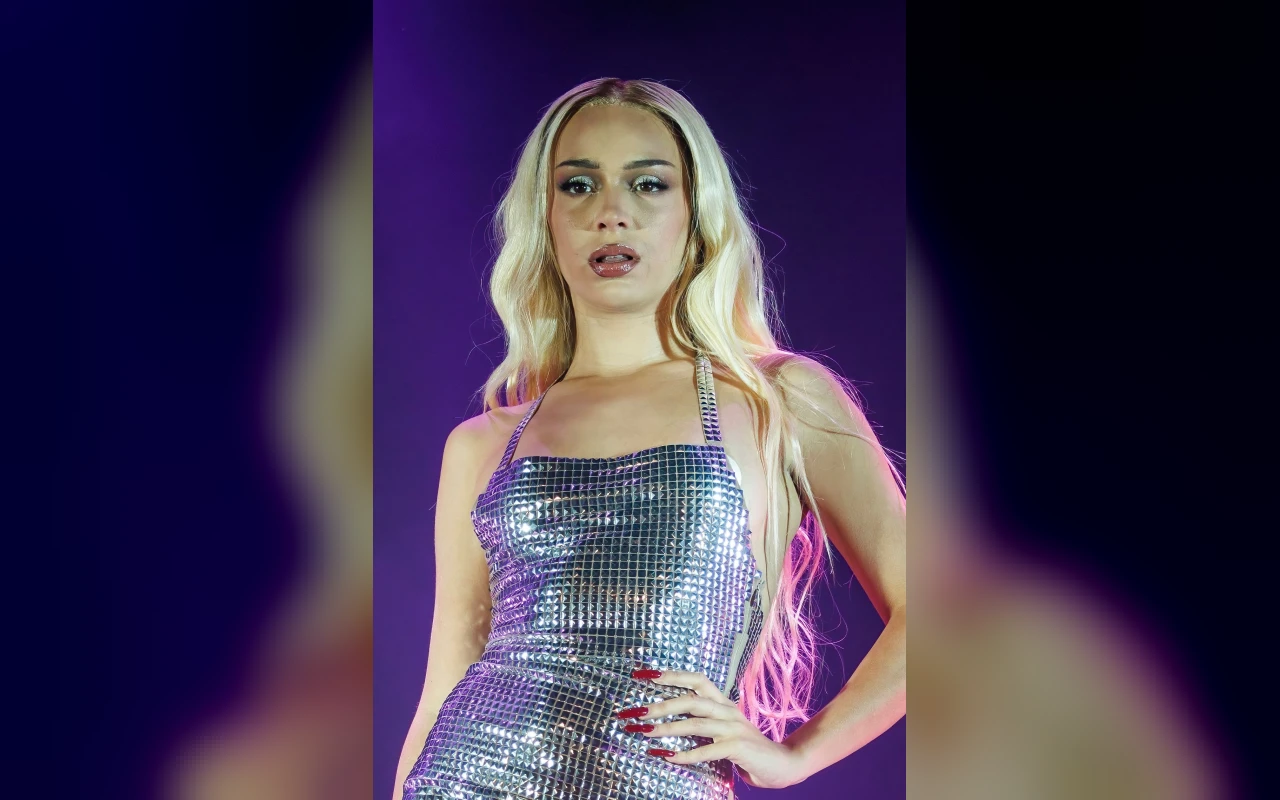
Discover Bad Gyal's rise from underground club sounds to global stages. Explore her viral hits, key collaborations, and unique energy that shaped Spanish-lan...
- March 23, 2026
AceShowbiz - Alba Farelo, professionally known as Bad Gyal, first emerged on the music scene in 2016 with a distinctive approach shaped by underground producers and late-night club atmospheres. Her early releases, including left-of-center mixtapes, established her as a unique voice within the Spanish-language music community. She recalls the process as being about “finding a type of energy, about linking up with people whose work you like, and later just letting things happen.”
Her collaborations with experimental artists like Florentino and El Guincho helped her craft viral hits that resonated with a growing audience. Projects such as Slow Wine Mixtape and Worldwide Angel attracted a loyal fan base eager for more innovative sounds. Over time, Bad Gyal became a fixture on festival stages and a sought-after collaborator, working alongside prominent figures like Puerto Rican rapper Myke Towers and Dominican artist Tokischa.
In 2019, she secured a deal with Interscope Records, which culminated in the release of her debut album, La Joia, in 2024. The album showcased her signature blend of bright electronic beats and reggaeton influences, marking an important milestone in her career. However, for the artist, this was only the beginning of her creative journey.
Over the past three years, Bad Gyal has been developing her next project, Más Cara, an album that expands on the styles and sounds she has mastered. The album’s title, which translates to “more expensive,” reflects the artist’s intention to elevate her music and push her boundaries further. She explains that the process involved deep self-reflection, asking questions like, “Who am I? What’s the music that I love? What’s the world I’m shaping? What are the codes and the language I’m building?”
The album’s production is notably diverse, blending EDM, merengue, and even konpa—a smooth Haitian dance rhythm that Bad Gyal became obsessed with while working on the track “Última Noche.” During the creation of this song, she envisioned collaborating with Puerto Rican-Dominican singer Ozuna. Although he was initially unfamiliar with konpa, Ozuna quickly became enamored with the style, leading to a studio session that Bad Gyal describes as “surreal.” She never imagined making a track with Ozuna, especially one rooted in a genre he didn’t know before but grew to love deeply.
Despite the enthusiasm for her genre-blending approach, Bad Gyal acknowledges that not everyone may understand or accept her musical explorations, especially as they cross cultural and stylistic boundaries. Her artist name itself is a homage to Caribbean musical influences, which has led to important conversations about cultural respect and privilege. She shares that from early in her career, she encountered discussions about how these cultures have faced oppression and have histories different from her own as a white European.
These experiences became invaluable lessons, fostering a greater sense of consciousness and respect in her artistic practice. Bad Gyal emphasizes that her approach is grounded in genuine love and admiration for the music she draws from. This authenticity has been reflected in the reception of her work, particularly in Haiti, where “Última Noche” has been embraced by fans who have created cover versions in Creole and sent messages of support. She has also started collaborating with Haitian artists, further deepening her connection to the culture.
She reflects on the energy that comes from creating music out of true passion: “I feel like this could sound too ‘happy flowers’ and maybe it’s something I’ve put in my own head, but I do think that when you do things from a place of real love and passion for them and because you really care, that energy comes across.”
As Bad Gyal continues to expand her artistic horizons with Más Cara, she remains committed to exploring new sounds and cultural influences while maintaining a respectful and conscious approach. Her evolution as an artist demonstrates an ongoing dialogue between identity, music, and cultural exchange, reinforcing her place as a dynamic and influential figure in contemporary Latin music.