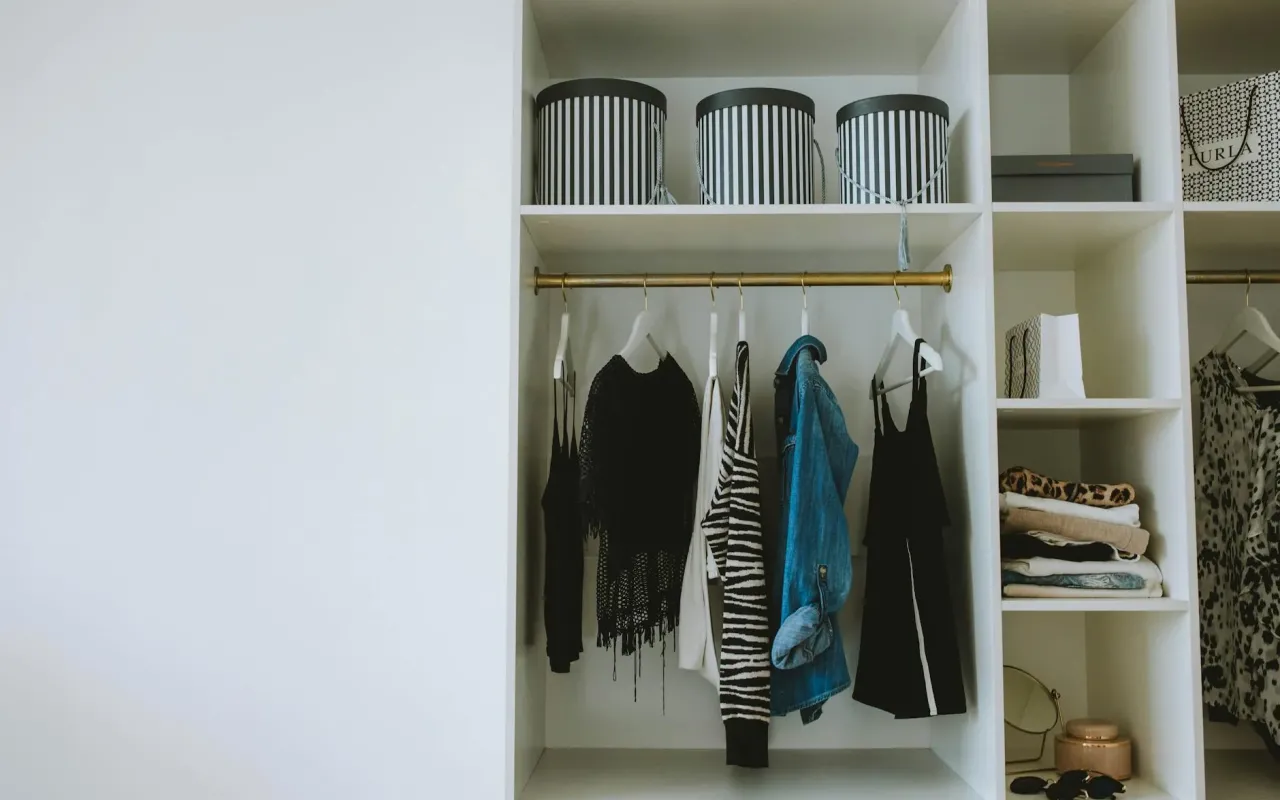
Tired of a chaotic closet? Discover practical, sustainable strategies to organize your wardrobe, reduce decision fatigue, and make getting dressed easier.
- March 21, 2026
The Closet Conundrum: Why We All Feel This Way
You open your closet door, and a familiar wave of frustration hits. You see a rack of clothes, but you feel like you have nothing to wear. This isn't just about mess; it's a daily decision-making crisis that saps your mental energy before your day even begins. Studies in fields like behavioral psychology suggest that the sheer volume of choices in a cluttered space can lead to decision fatigue, making even simple selections feel overwhelming.
The real issue often isn't a lack of space, but a lack of a system. We hold onto items for sentimental reasons, for a future "someday" body, or because we spent good money on them. This creates a wardrobe full of noise, drowning out the pieces you truly love and wear regularly. The goal of organization isn't just a pretty picture for Instagram; it's about creating a functional tool that serves your daily life, reduces stress, and saves you time.
So, where do you start? The answer isn't rushing out to buy a dozen clear bins. It begins with a mindset shift. Think of your closet not as a storage unit, but as a curated collection of tools for your life. Every item should have a purpose and bring you value, whether that's confidence, comfort, or utility. This foundational perspective is what separates a temporary tidy-up from a lasting system.
The Great Purge: Getting Real About What You Own
Before you can organize anything, you need to know what you're working with. This step is non-negotiable. Block out a solid chunk of time—a Saturday afternoon, perhaps—and pull everything out of your closet. Yes, everything. Seeing it all in a heap on your bed is a powerful visual that forces accountability. You'll likely be shocked by the volume.
Now, implement a ruthless triage system. Create three piles: Keep, Donate/Sell, and Maybe. The "Keep" pile is for items you wear regularly, that fit you well right now, and that you genuinely love. The "Donate/Sell" pile is for anything stained, damaged beyond repair, or that hasn't been worn in over a year. The "Maybe" pile is the trickiest.
For the "Maybe" items, ask yourself these specific questions: "Have I worn this in the last 12 months?" "Does it fit my current lifestyle and body?" "If I saw this in a store today, would I buy it again?" Be brutally honest. A practical tip is to place these "Maybe" items in a box out of sight for 90 days. If you don't go looking for a specific piece in that time, you can confidently let it go. This process clears the physical and mental clutter, making space for what matters.
Building Your System: Zoning and Visibility
With a curated collection of "Keep" items, you can now design a system based on how you live. The most effective closets are divided into zones. Think of it like a grocery store: you wouldn't put cereal in the freezer aisle. Common zones include Workwear, Casual Wear, Activewear, and Special Occasion. Within those zones, further organize by category and then by color.
Visibility is the golden rule of a functional closet. If you can't see it, you won't wear it. This is where thoughtful storage solutions come in. For folded items like sweaters and t-shirts, consider using open bins or shelf dividers on shelves instead of deep stacks where the bottom items are forgotten. For hanging items, use uniform, slimline hangers (like velvet or wood) to save space and create a cohesive look.
Don't overlook vertical space. The area from the top shelf to the ceiling is prime real estate. Use stackable storage boxes for out-of-season items or special occasion wear, clearly labeled on the front. For accessories like belts, scarves, or ties, install hooks on the inside of the closet door or on a blank wall. A simple tiered pant hanger can consolidate five pairs of trousers into the space of one. The goal is to have a designated "home" for every single item, eliminating the daily guesswork of where things belong.
Smart Storage Solutions for Common Problems
Every closet has its pain points. Here's how to tackle them with targeted solutions. For shoes, avoid a jumbled pile on the floor. A simple, clear over-the-door shoe organizer works wonders for sneakers and flats, while a staggered shelving unit is ideal for boots and heels. For bulky handbags, stuff them with tissue paper to maintain their shape and line them up on a shelf where you can see them.
Small accessories are often the biggest source of clutter. Use a divided jewelry tray for everyday pieces in a top drawer. For necklaces, a wall-mounted rack with hooks prevents tangling. For your daily essentials—watches, favorite rings, a go-to belt—a valet tray on your dresser keeps them accessible and contained. The key is to match the solution to the frequency of use; your everyday items need the most accessible spots.
Seasonal Swaps: A Strategy for Smaller Spaces
If your closet is modest in size, trying to house a four-season wardrobe year-round is a recipe for overload. Implementing a seasonal swap system can effectively double your functional space. Twice a year—typically in spring and fall—you'll rotate your wardrobe. Off-season items are cleaned, repaired if needed, and stored in clearly labeled containers under the bed, on a high shelf, or in another storage area.
This practice does more than free up physical space. It refreshes your perspective, making the current season's clothes feel new and exciting again. When you pull out your winter sweaters, it feels like shopping your own closet. To execute this smoothly, use vacuum-seal bags for bulky knitwear to save immense space, or opt for sturdy plastic bins with airtight lids to protect against dust and moisture.
During the swap, take the opportunity to re-evaluate. As you pack away summer clothes, ask if that sundress felt dated or if those shorts were uncomfortable. This continual, low-stakes editing prevents another massive purge from being necessary. It turns closet maintenance from a daunting annual chore into a manageable biannual ritual that keeps your system working for you.
Maintaining the Momentum: Habits for a Lasting System
An organized closet isn't a one-time project; it's a state maintained by small, consistent habits. The most critical habit is the "one in, one out" rule. When you buy a new sweater, commit to donating an old one. This forces conscious consumption and prevents clutter from creeping back in. It makes you pause and consider if a new purchase is truly worth displacing something you already own.
Another simple but transformative habit is the "five-minute reset." At the end of each day, or when you're getting ready in the morning, take five minutes to return items to their designated zones. Hang up the jeans you tried on but didn't wear, put the shoes back on the rack, and fold the sweater you decided against. This prevents small messes from snowballing into a full-blown closet catastrophe.
Finally, schedule a quarterly "closet check-in." This isn't another full purge, but a 20-minute review. Look for items that have migrated to the wrong zone, check for any wear and tear that needs mending, and see if your system still aligns with your daily life. Has your job become more casual? Have you been reaching for your activewear more? Adjust your zones accordingly. This proactive maintenance ensures your closet evolves with you, remaining a true asset to your routine rather than a source of stress.
Ultimately, a well-organized closet is a gift you give your future self every morning. It's a quiet corner of your home that supports you, reduces unnecessary stress, and starts your day with a small win. By investing the time to create a system that reflects your real life, you reclaim not just space, but time, energy, and peace of mind.