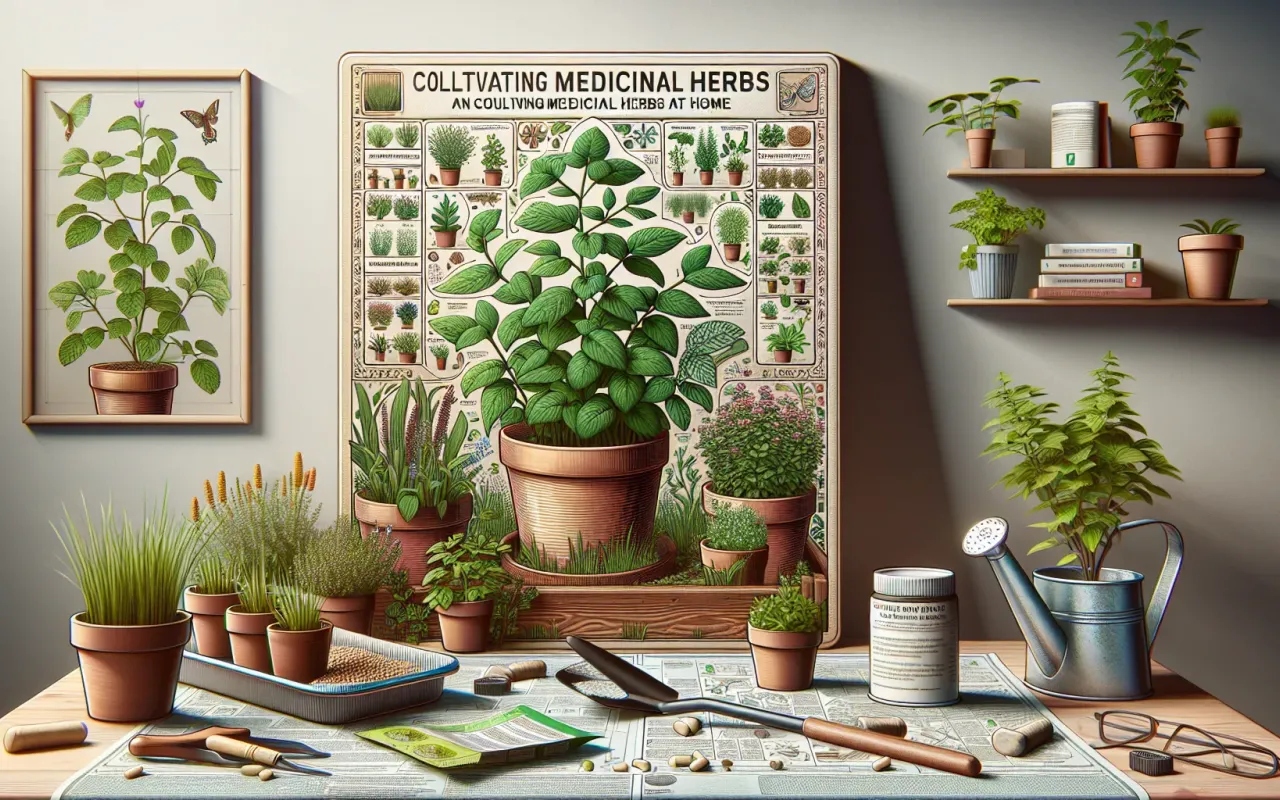
Learn how to grow medicinal herbs at home with this step-by-step guide. This comprehensive article provides expert tips on soil, watering, harvesting, and more.
- November 28, 2024
AceShowbiz - Growing your own medicinal herbs at home is a rewarding and therapeutic endeavor. Not only can you have fresh herbs on hand for culinary and medicinal purposes, but you’ll also gain a deeper appreciation for the plants. This guide provides a step-by-step overview of how to successfully cultivate medicinal herbs in your home garden.
Why Grow Medicinal Herbs at Home?
Medicinal herbs have been used for centuries to treat a variety of ailments. Growing these herbs at home ensures you have access to fresh, organic, and potent ingredients whenever you need them. Additionally, gardening can be a relaxing hobby that provides mental and physical benefits.
Choosing the Right Herbs
The first step in growing medicinal herbs is selecting the appropriate varieties. Here are some beginner-friendly options to consider:
- Echinacea: Known for immune-boosting properties
- Aloe Vera: Used for treating burns and skin irritations
- Chamomile: Commonly used for its calming effects
- Lavender: Great for stress relief and improving sleep quality
- Mint: Offers digestive benefits and adds flavor to various dishes
Preparing the Soil
Soil Quality
The quality of the soil is crucial for the growth of your medicinal herbs. Most herbs prefer well-drained soil rich in organic matter. Consider using a mix of garden soil, compost, and sand to achieve the right texture and nutrient balance.
Planting Your Herbs
Seed vs. Seedlings
You can start your herb garden from seeds or seedlings. Seedlings offer a head start and are generally easier for beginners. However, growing from seed can be more economical and offer a greater variety of plant types.
Watering and Maintenance
Watering
Medicinal herbs typically prefer well-drained soil, so be wary of overwatering. Most herbs thrive with about 1 inch of water per week. Adjust the amount based on climate and specific plant needs.
Pruning and Harvesting
Regular pruning encourages healthy growth and prevents the plants from becoming too woody. For harvesting, pick herbs in the morning after the dew has dried but before the sun becomes too intense.
Pests and Disease Management
Keeping your herbs healthy involves regular monitoring for pests and diseases. Use organic methods like neem oil or insecticidal soap to manage pests. Ensure good air circulation to prevent fungal diseases.
Harvesting and Storing Herbs
Drying
Drying is a common method for preserving herbs. Hang small bunches upside down in a cool, dry place. Once dried, store the herbs in airtight containers away from direct sunlight.
Freezing
Freezing is another effective preservation method. Chop the herbs and place them in ice cube trays with a little water or oil. Once frozen, store the cubes in freezer bags.
Common Issues and Solutions
Yellowing Leaves
Yellowing leaves can indicate overwatering or nutrient deficiency. Check the soil moisture and adjust your watering schedule. Consider adding organic fertilizer to improve soil nutrition.
Slow Growth
Slow growth is often due to insufficient light or poor soil quality. Ensure your herbs receive at least six hours of sunlight daily and improve soil conditions as needed.
Conclusion
Growing medicinal herbs at home can be both satisfying and beneficial. By following these steps, you can cultivate a thriving herb garden that provides fresh ingredients for both culinary and medicinal uses. Whether you’re experienced or a novice, this guide aims to help you successfully grow medicinal herbs at home.