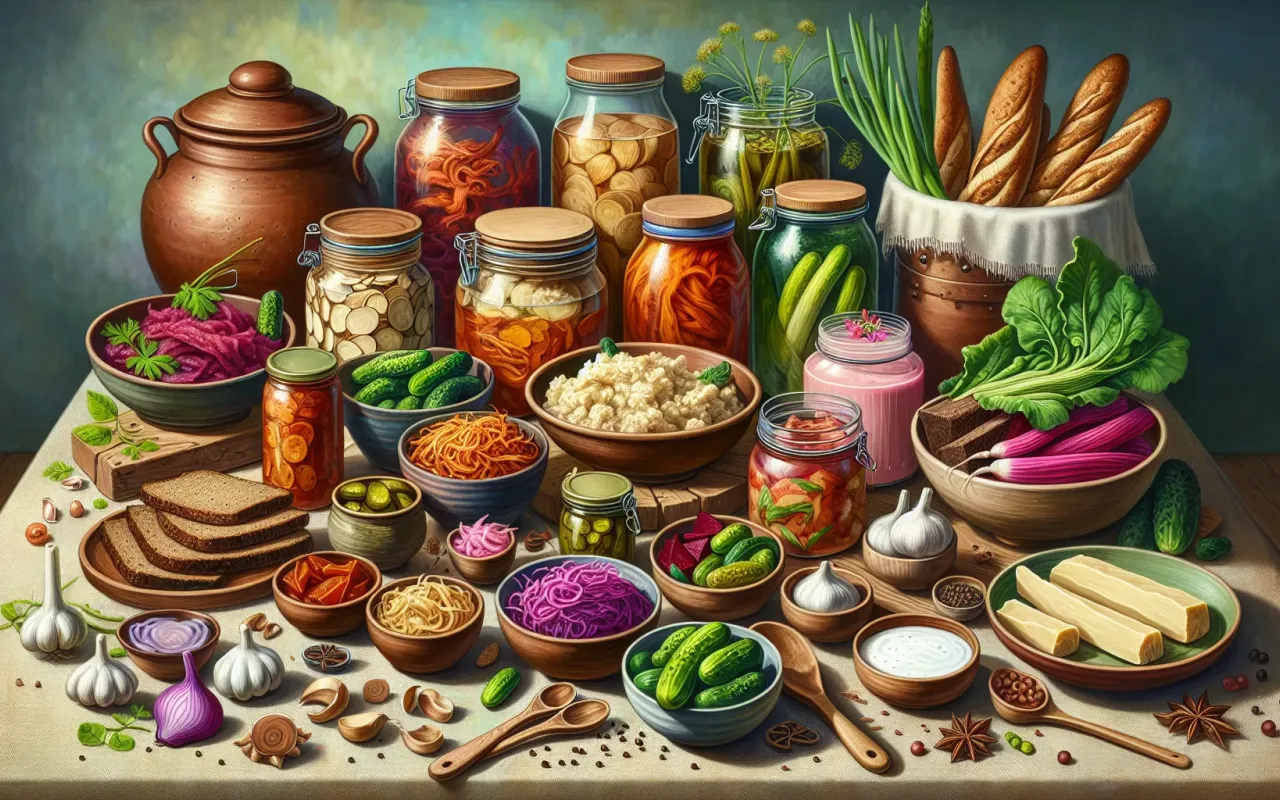
Discover 10 vegan fermented foods that boost gut health, enhance digestion, and provide valuable nutrients. Learn how they can benefit your diet.
- November 16, 2024
Maintaining a healthy gut is essential for overall well-being. Vegan fermented foods not only support gut health but also bring a wealth of flavors to your diet. In this article, we'll explore ten must-try vegan fermented foods that can significantly improve your digestion and overall health.
1. Sauerkraut
Sauerkraut, made from fermented cabbage, is a staple in many diets due to its high probiotic content. These beneficial bacteria aid in digestion, enhance nutrient absorption, and keep harmful bacteria in check. Rich in fiber, vitamins C and K, sauerkraut is also known to boost the immune system. Ease into it by adding a small amount to your meals as a condiment.
2. Kimchi
Kimchi is a Korean dish made from fermented vegetables, typically napa cabbage and radishes, seasoned with garlic, ginger, chili peppers, and other spices. This flavorsome food is packed with probiotics and antioxidants. Regular consumption of kimchi has been linked to improved gut flora balance, a stronger immune system, and lower inflammation levels.
3. Kombucha
Kombucha is a fermented tea that has gained popularity for its probiotic benefits and refreshing taste. Made by fermenting tea with sugar and a symbiotic culture of bacteria and yeast (SCOBY), kombucha is rich in enzymes and organic acids that promote gut health. It's a great alternative to sugary drinks, and its diverse flavor varieties cater to different taste preferences.
4. Miso
Miso is a traditional Japanese seasoning produced by fermenting soybeans with salt and koji (a type of fungus). It is commonly used in soups and sauces. Miso is an excellent source of probiotics, especially Lactobacillus acidophilus. Additionally, it contains various beneficial nutrients like vitamins B, E, K, and folic acid, making it a nutrition powerhouse for gut health.
5. Tempeh
Tempeh is a fermented soybean product originating from Indonesia. It has a firm texture and nutty flavor, making it a versatile meat substitute in vegan dishes. Tempeh fermentation makes it easier to digest and enhances the bioavailability of nutrients such as protein, vitamins, and minerals. It also contains prebiotics, which help nourish the good bacteria in your gut.
6. Pickles
Pickles, specifically those fermented in brine (saltwater), are rich in probiotics. The fermentation process fosters the growth of beneficial bacteria that can aid in digestion and enhance gut health. Look for naturally fermented pickles in the refrigerator section of your grocery store, as these retain the live cultures absent in vinegar-pickled versions.
7. Coconut Yogurt
Coconut yogurt is a dairy-free alternative that offers the probiotic benefits of traditional yogurt. Made from coconut milk and live cultures, it supports gut health by introducing beneficial bacteria into the digestive system. Coconut yogurt is also rich in healthy fats and antioxidants. Enjoy it on its own or as an addition to smoothies and desserts.
8. Fermented Soy Products (e.g., Natto)
Natto is a traditional Japanese food made from fermented soybeans. It has a distinctive, strong flavor and sticky texture. Natto is famed for its high probiotic content, particularly Bacillus subtilis, which can greatly improve gut health. It’s also rich in vitamin K2, which supports bone and cardiovascular health.
9. Sourdough Bread
Sourdough bread is made through the fermentation of dough using naturally occurring lactobacilli and yeast. This process enhances the bread's digestibility and increases its nutritional value. Sourdough also has a lower glycemic index compared to other breads, promoting more stable blood sugar levels.
10. Kvass
Kvass is a traditional fermented beverage from Eastern Europe, typically made from rye bread. It has a slightly sour taste and is rich in probiotics and B vitamins. Modern variations of kvass can be made using beets or other vegetables for those seeking different flavors. This drink supports digestive health and provides a refreshing way to consume probiotics.
The Benefits of Vegan Fermented Foods
Introducing vegan fermented foods into your diet can offer numerous health benefits:
- Improved Digestion: The probiotics in fermented foods help balance gut bacteria, aid digestion, and can alleviate symptoms of digestive disorders.
- Enhanced Nutrient Absorption: Fermentation breaks down nutrients into more digestible forms, making vitamins and minerals more available for absorption.
- Stronger Immune System: A healthy gut flora is crucial for a robust immune response, reducing the risk of infections and illnesses.
- Reduced Inflammation: Many fermented foods contain anti-inflammatory compounds and probiotics that help manage inflammation in the body.
How to Incorporate Vegan Fermented Foods into Your Diet
Incorporating these foods into your daily meals doesn’t have to be complicated. Here are a few tips:
- Start Slow: If you're new to fermented foods, begin with small portions to allow your gut to adjust.
- Mix Them In: Add sauerkraut or kimchi to salads, sandwiches, or grain bowls for an extra probiotic punch.
- Drink Up: Enjoy a glass of kombucha or kvass as a refreshing drink.
- Soup it Up: Use miso as a base for soups or sauces.
- Breakfast Boost: Top your breakfast cereal or smoothie bowl with coconut yogurt or a side of tempeh.
Conclusion
Adding vegan fermented foods to your diet is a simple yet effective way to bolster your gut health, improve digestion, and enhance overall well-being. Each food mentioned offers unique flavors and nutritional benefits, providing an array of options to suit different palates. Start exploring these delicious and health-boosting foods today.