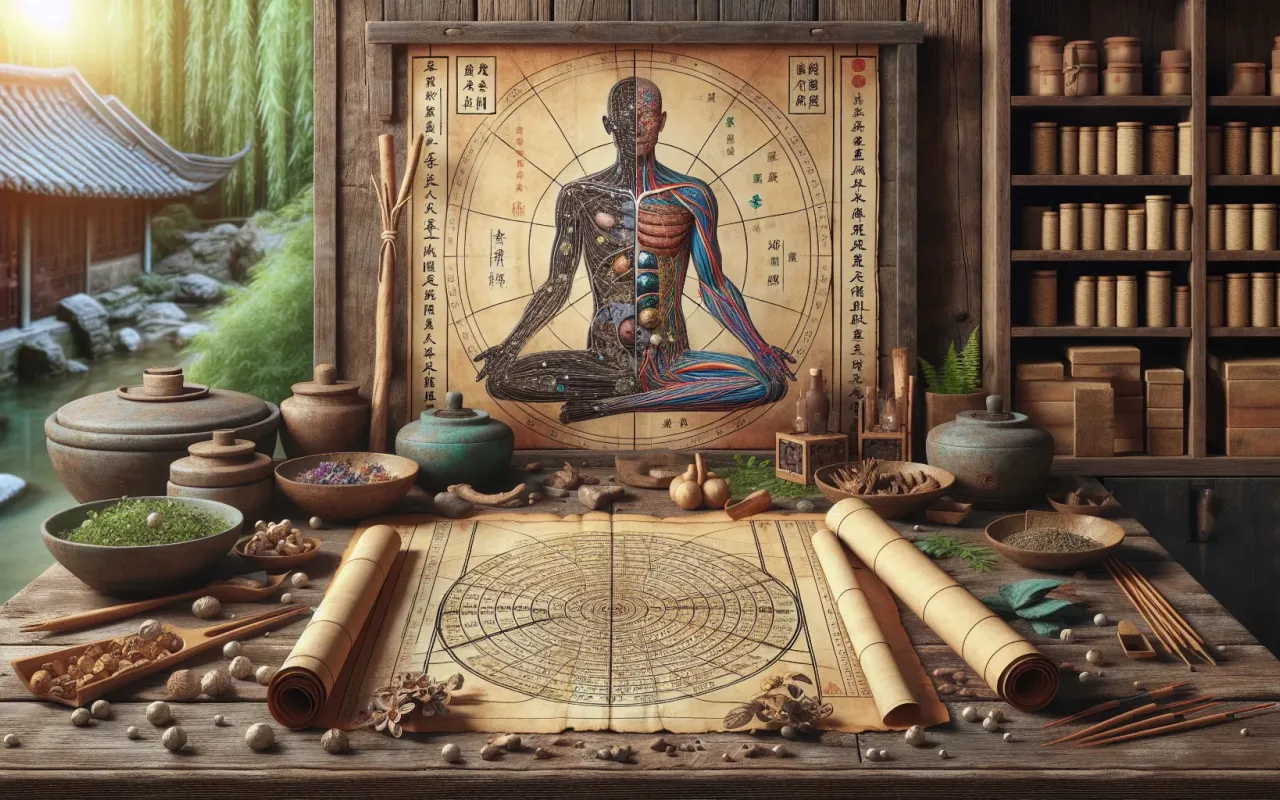
Discover how to achieve balance with Traditional Chinese Medicine through practical strategies and insights. Learn key principles, techniques, and lifestyle changes to improve your well-being.
- October 31, 2024
Traditional Chinese Medicine (TCM) is an ancient system of health and wellness that has been used in China for thousands of years. Unlike Western medicine, TCM focuses on a holistic approach to treating and preventing disease. This guide will explore how to achieve balance with Traditional Chinese Medicine, delving into its key principles, the role of various TCM practices, and actionable steps you can take to integrate TCM into your life.
Understanding the Basics of Traditional Chinese Medicine
The Philosophy of TCM
TCM is rooted in the concept of balance and harmony within the body, as well as between the body and the environment. The fundamental theories include Yin and Yang, Qi (pronounced "chee"), and the Five Elements.
Yin and Yang
Balance is attained through the equilibrium of Yin and Yang, two opposing but complementary forces. Yin represents the cool, passive, and nurturing aspects, while Yang embodies the warm, active, and stimulating characteristics. Health is achieved when Yin and Yang are balanced within the body.
Qi and Its Flow
Qi is the vital life force that flows through the body’s meridians. Proper flow and balance of Qi are essential for health. Blocked or unbalanced Qi can lead to illness.
The Five Elements
The Five Elements (Wood, Fire, Earth, Metal, Water) theory describes the dynamic interactions and relationships in nature. Each element is associated with particular organs and bodily functions, and understanding these connections can help diagnose and treat ailments.
Essential TCM Practices for Achieving Balance
Acupuncture
Acupuncture involves inserting fine needles into specific points on the body to regulate the flow of Qi. Various studies have shown its efficacy in pain relief, stress reduction, and treatment of various conditions. Incorporating acupuncture into your routine can help restore balance and promote healing.
Herbal Medicine
TCM uses a vast array of herbs to treat ailments and enhance overall health. These herbs are tailored to individual needs to balance Yin, Yang, and Qi. Consulting with a licensed TCM practitioner can provide a personalized herbal regimen.
Dietary Therapy
Dietary choices play a crucial role in TCM. Foods are categorized by their energetic properties – warm, cool, neutral, etc. Adjusting your diet according to your body's needs can help maintain balance. For example, consuming warm foods can nourish Yang, while cool foods can support Yin.
Qigong and Tai Chi
These are mind-body practices that integrate physical movement, breathing techniques, and meditation. They are designed to enhance the flow of Qi, improve physical strength, flexibility, and mental clarity. Regular practice can be beneficial in maintaining health and balance.
Incorporating TCM into Your Lifestyle
Stress Management
Chronic stress disrupts the balance of Qi and can lead to various health issues. Techniques like meditation, deep-breathing exercises, and mindfulness can be effective in managing stress. Additionally, qigong and tai chi practices are also helpful.
Sleep Hygiene
Adequate and restful sleep is vital for maintaining balance. Following the patterns of nature by going to bed early and waking up early can harmonize your internal clock with the natural world.
Regular Physical Activity
Exercise is essential for moving Qi and keeping it flowing smoothly throughout the body. Opt for moderate forms of exercise such as tai chi, qigong, yoga, or even daily walking to maintain balance.
Seasonal Living
Adapting your lifestyle to the seasons is integral to TCM. This includes changes in diet, activity levels, and self-care practices that align with the environmental changes throughout the year.
The Benefits of Achieving Balance with TCM
Achieving balance through TCM brings comprehensive benefits, including improved physical health, enhanced mental clarity, and emotional well-being. People often experience reduced symptoms of chronic conditions, better energy levels, and an overall sense of harmony within themselves and their surroundings.
By understanding and respecting the principles of TCM, incorporating its practices into your life, and seeking guidance from qualified practitioners, you can achieve and maintain this balance.
Conclusion
In summary, learning how to achieve balance with Traditional Chinese Medicine involves understanding its foundational principles, embracing its various practices such as acupuncture, herbal medicine, dietary therapy, and integrating these elements into your daily life. The journey toward balance is ongoing and unique to each individual, but through TCM’s holistic approach, you can cultivate a harmonious and healthy life.
For those eager to delve deeper into TCM, seeking out a qualified TCM practitioner can provide personalized guidance and treatment plans tailored to your specific needs.