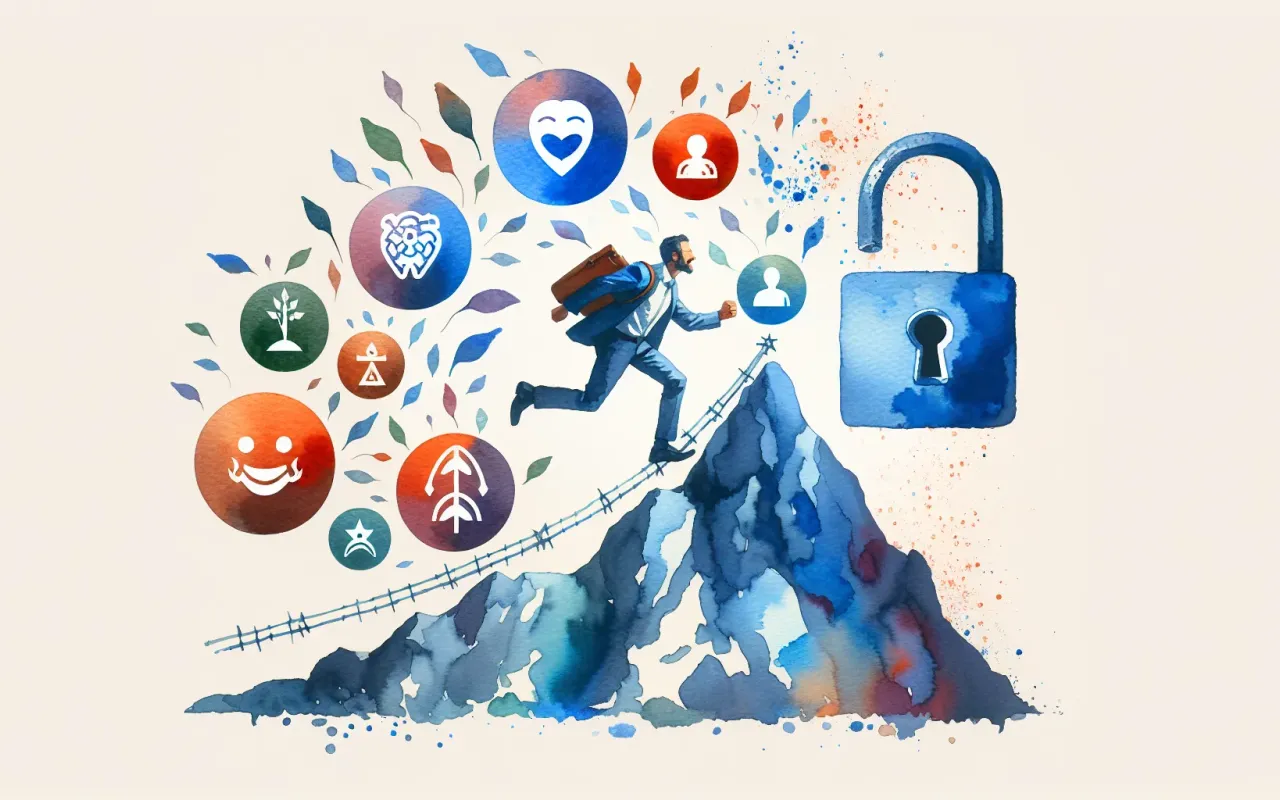
Unlock your full potential by understanding the role of emotional intelligence in personal growth. Learn how to enhance your EQ for a more fulfilling life.
- October 30, 2024
In today's fast-paced world, personal growth has become a cornerstone for achieving success and happiness. One critical yet often overlooked aspect of personal growth is emotional intelligence (EI). Understanding the role of emotional intelligence in personal growth can unlock new levels of potential, leading to a more balanced and fulfilling life.
What Is Emotional Intelligence?
Emotional intelligence (EI), also known as emotional quotient (EQ), is the ability to understand and manage your own emotions while also being able to recognize and influence the emotions of others. Introduced by psychologists Peter Salovey and John D. Mayer and popularized by Daniel Goleman, emotional intelligence comprises five key components:
- Self-awareness: Recognizing your own emotions and their impact.
- Self-regulation: Managing your emotions in a healthy way.
- Motivation: Being driven to achieve for the sake of achievement.
- Empathy: Understanding the emotions of others.
- Social skills: Managing relationships to move people in desired directions.
Emotional Intelligence and Personal Growth
Integrating emotional intelligence into personal development can yield numerous benefits. It fosters self-awareness, improves interpersonal relationships, and enhances decision-making abilities. Below, we explore specific areas where emotional intelligence plays a pivotal role in personal growth.
1. Enhanced Self-Awareness
Self-awareness is the foundation of personal growth. By understanding your emotions, strengths, weaknesses, and values, you can make more informed decisions and pursue goals that align with your authentic self. This leads to greater satisfaction and effectiveness in both personal and professional settings.
2. Improved Self-Regulation
Those with high emotional intelligence can regulate their emotions more effectively. This means managing stress, overcoming setbacks, and maintaining a positive outlook even in challenging situations. Improved self-regulation can lead to better mental health and greater resilience.
3. Better Decision Making
Emotions often play a significant role in our choices. By being emotionally intelligent, you can avoid rash decisions fueled by temporary feelings. An emotionally intelligent person can analyze situations more rationally, leading to sounder decisions that contribute positively to one's growth.
4. Stronger Relationships
High emotional intelligence enhances your ability to communicate effectively and build meaningful relationships. Empathy and social skills enable you to connect with others on a deeper level, facilitating more supportive and enriching relationships, which are essential for personal growth.
5. Increased Motivation
Emotionally intelligent individuals are typically highly motivated. They possess inner drive and are less likely to be derailed by challenges. This intrinsic motivation supports long-term goal achievement and continuous personal development.
Practical Steps to Enhance Emotional Intelligence
While some people may naturally possess higher emotional intelligence, it is a skill that can be developed. Here are practical steps to increase your EI:
1. Practice Self-Reflection
Set aside time regularly to reflect on your emotions and behaviors. Consider keeping a journal to document your thoughts and feelings, helping you identify patterns and areas for improvement.
2. Enhance Your Communication Skills
Practice active listening and clear communication. Being present in conversations and expressing yourself clearly can significantly improve your interactions and relationships with others.
3. Manage Stress Effectively
Learn stress management techniques such as mindfulness, meditation, or physical exercise. Effective stress management can help you maintain emotional balance and resilience.
4. Develop Empathy
Put yourself in others' shoes and try to understand their perspectives and feelings. This practice, called empathy, can enhance your relationships and improve your social interactions.
5. Seek Feedback
Invite feedback from trusted friends, family, or colleagues about your emotional interactions. Open yourself to constructive criticism to gain insights and make necessary adjustments.
Conclusion
Emotional intelligence is a critical component of personal growth that can unlock immense potential in various aspects of your life. By enhancing self-awareness, self-regulation, empathy, social skills, and motivation, you can achieve a more balanced, fulfilling, and successful life. Encouragingly, emotional intelligence is an aptitude that anyone can develop through deliberate practice and reflection. Start integrating these practices today to harness the full power of emotional intelligence in your personal growth journey.