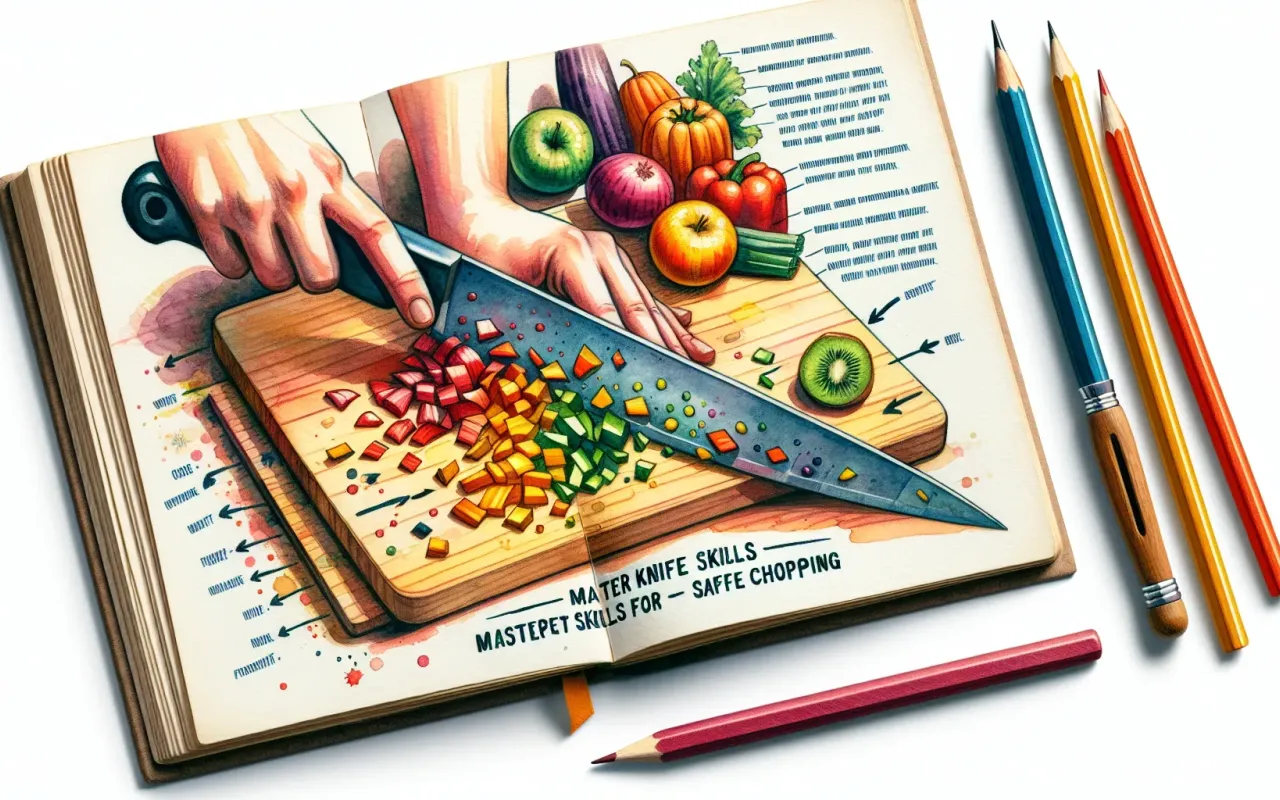
Learn masterful knife skills for efficient chopping with our comprehensive guide. Discover techniques for faster, safer, and more precise cuts.
- October 24, 2024
AceShowbiz - Whether you're an aspiring chef or a seasoned home cook, mastering knife skills for efficient chopping is essential. Efficient chopping not only speeds up your meal prep but also ensures safety and precision in your cooking. This guide provides all the necessary techniques and tips to up your chopping game.
Why Knife Skills Matter
Good knife skills are crucial for several reasons. Firstly, they significantly reduce the time it takes to prepare ingredients. Secondly, they ensure uniform cuts, which promotes even cooking. Lastly, proper knife techniques minimize the risk of accidents and injuries in the kitchen.
Choosing the Right Knife
Before diving into techniques, it's important to select the right knife for the task. Different knives are designed for specific functions:
- Chef's Knife: A versatile tool for chopping, slicing, and dicing.
- Paring Knife: Ideal for peeling and intricate work.
- Serrated Knife: Best for cutting bread and other items with tough exteriors and soft interiors.
The Basics of Knife Handling
Grip
Your grip on the knife is fundamental to control and precision. Hold the handle firmly but not too tightly, with your thumb and index finger gripping the blade just in front of the handle. This "pinch grip" offers better control compared to holding the handle exclusively.
Stance
Stand with your feet shoulder-width apart, and ensure your cutting board is at a comfortable height. Your other hand, often referred to as the "guiding hand," should hold the ingredient securely with fingertips curled under to avoid cuts.
Essential Cutting Techniques
Chopping
Chopping is a basic skill but requires precision. Practice a rock-chop motion, keeping the tip of the knife on the cutting board and lifting only the handle. This ensures consistent cuts and makes the process faster.
Slicing
Slicing involves thinner, more uniform cuts. Use a smooth, gliding motion instead of sawing back and forth. Slice vegetables like tomatoes or onions by placing them on their side and cutting straight down.
Dicing
Dicing involves cutting ingredients into small, uniform cubes. For example, to dice an onion, make several horizontal and vertical cuts while holding it together, then slice down through the layers.
Advanced Techniques
Julienne
To julienne vegetables means cutting them into thin, matchstick-sized pieces. This technique is often used for carrots, bell peppers, and similar items. First, trim the ends and sides to create a flat surface, then slice into thin planks and stack to cut into strips.
Brunoise
Brunoise involves further dicing julienned vegetables into small cubes. It's often used for garnishes and adding texture to dishes.
Chiffonade
Chiffonade is used primarily for leafy vegetables and herbs. Stack the leaves, roll them tightly, and make thin slices to create long, delicate strips.
Knife Maintenance
Proper knife maintenance is key to effective chopping. Regularly hone your knife with a honing steel to maintain the edge. Sharpen your knife periodically using a whetstone or professional service. Clean knives immediately after use and store them safely, ideally in a knife block or on a magnetic strip.
Safety Tips
- Keep Knives Sharp: A sharp knife is safer than a dull one as it requires less force and is less likely to slip.
- Use a Stable Cutting Board: Secure your cutting board with a damp cloth underneath to prevent slipping.
- Pay Attention: Avoid distractions while chopping to prevent accidents.
- Cut Away from Yourself: Always direct the knife blade away from your body.
Common Mistakes to Avoid
- Using the Wrong Knife: Using a paring knife for large vegetables or a chef's knife for peeling can lead to inefficiency and accidents.
- Not Maintaining Knives: A dull knife can cause you to exert more force, increasing the risk of slipping and injury.
- Improper Grip: Holding the knife incorrectly limits control and precision.
- Skipping the Guiding Hand: Not using your guiding hand properly can result in inconsistent cuts and increased risk of injury.
Wrapping it Up
Mastering knife skills for efficient chopping is a combination of choosing the right tools, understanding the proper techniques, maintaining your equipment, and prioritizing safety. With practice, these skills will become second nature, making your cooking experience faster, safer, and more enjoyable.
By adhering to the guidance in this article, you'll not only improve your kitchen efficiency but also elevate the quality of your culinary creations.