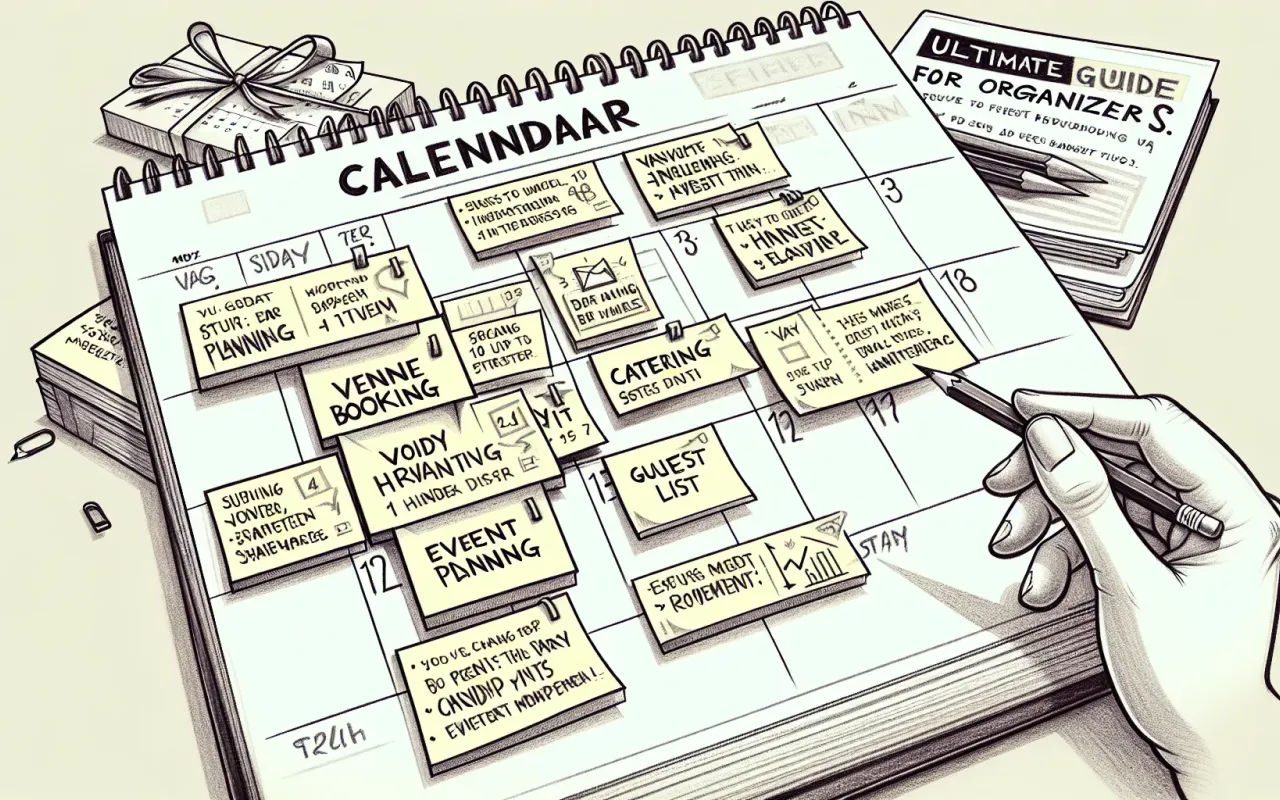
Master step-by-step calendar planning for event coordination with our ultimate guide for organizers. Learn essential tips and strategies to streamline your event planning process.
- September 26, 2024
AceShowbiz - As an event organizer, planning and coordinating events can be a daunting task. However, utilizing a step-by-step calendar planning approach can streamline the process and ensure that no detail is overlooked. This ultimate guide will walk you through the essentials of calendar planning for effective event coordination, providing expert tips and strategies to make your next event a success.
Why Calendar Planning is Crucial for Event Coordination
Calendar planning is a vital component of event coordination. It allows organizers to set clear timelines, allocate resources effectively, and communicate efficiently with team members and stakeholders. By systematically planning each step of the event, you can prevent last-minute surprises and ensure a smooth execution.
Step-by-Step Guide to Calendar Planning for Event Coordination
1. Define Event Objectives
Before diving into calendar planning, it’s essential to clearly define your event’s objectives. What are you aiming to achieve? Are you looking to increase brand awareness, raise funds, or provide educational content? Knowing your goals will guide every subsequent step in the planning process.
2. Determine Key Milestones
Next, outline the key milestones that need to be achieved before the event date. These can include securing a venue, sending out invitations, finalizing the agenda, and coordinating with vendors. Establishing these milestones early on will help keep your planning on track.
3. Create a Detailed Timeline
With your objectives and milestones in place, create a detailed timeline outlining each task required to meet your milestones. Start from the event date and work backward, mapping out deadlines for every critical activity. This visual representation of your plan will ensure no task is overlooked.
4. Allocate Resources
Identify the resources needed for each task, including budget, staff, and materials. Assign responsibilities to team members and ensure they have the necessary tools to complete their tasks. Proper resource allocation is essential for maintaining a balanced workload and staying within budget.
5. Use Technology Tools
Leverage technology tools such as project management software, calendar apps, and communication platforms to streamline the planning process. Tools like Asana, Trello, and Google Calendar can help you manage tasks, set reminders, and collaborate with your team more effectively.
6. Schedule Regular Check-Ins
Regular check-ins with your team are crucial to ensure progress and address any issues promptly. Schedule weekly or bi-weekly meetings to review the status of tasks, adjust timelines as needed, and provide support where necessary. Keeping an open line of communication promotes accountability and transparency.
7. Plan for Contingencies
No event plan is foolproof, and unexpected challenges can arise. Develop contingency plans for common scenarios such as vendor delays, weather-related disruptions, or technical difficulties. Having backup solutions ready will help you manage crises without derailing the entire event.
Tools and Strategies for Effective Calendar Planning
Use Color-Coded Calendars
Color-coded calendars can help you visually distinguish different types of tasks and deadlines. For example, use one color for marketing activities, another for logistics, and a third for vendor coordination. This visual differentiation makes it easier to manage your responsibilities at a glance.
Implement Buffer Times
Ensure that you include buffer times between major milestones to account for any potential delays. These buffers provide some flexibility and prevent your timeline from becoming too rigid.
Review and Adjust
Periodically review your calendar and adjust it as needed. Event planning is dynamic, and timelines may need to be adapted based on progress and unforeseen changes. Regular reviews ensure your plan remains realistic and achievable.
Conclusion
Effective calendar planning is the backbone of successful event coordination. By following this step-by-step guide, you can meticulously plan every aspect of your event, anticipate potential challenges, and execute with precision. Remember, meticulous planning leads to seamless execution, and a well-organized event leaves a lasting impression on attendees. Utilize these strategies, leverage technology, and maintain open communication to elevate your event coordination process.
Mastering step-by-step calendar planning for event coordination not only simplifies the planning process but also enhances your credibility as an organizer. Start implementing these strategies today to make your next event a resounding success.