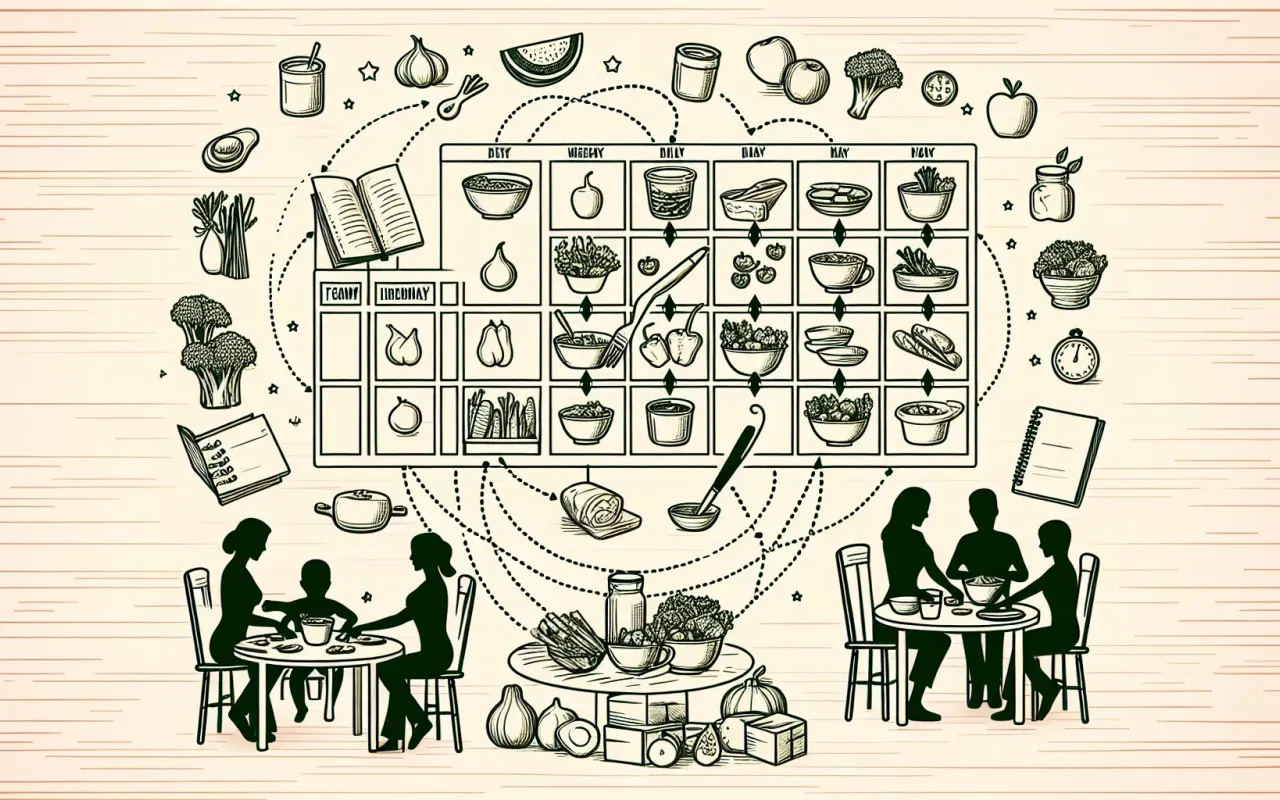
Discover how our weekly family meal planner can transform your meal planning experience. Learn tips, benefits, and how to get started effortlessly.
- September 24, 2024
Are you tired of the daily stress of figuring out what to cook for your family? Struggling to balance a healthy diet within a busy schedule? Our weekly family meal planner is here to help. In this article, we'll explore how a meal planner can make your life easier, offer you tips for effective meal planning, and provide solutions to common challenges. Let's dive into the world of organized, stress-free meal planning.
Why Use a Weekly Family Meal Planner?
A weekly family meal planner can transform your household's eating habits by providing structure and eliminating the guesswork from meal preparation. Here are some compelling reasons why you should consider using one:
1. Saves Time
Time is a precious commodity in any family setting. By planning your meals in advance, you can eliminate the daily scramble to decide what's for dinner. With a clear plan, you make fewer trips to the grocery store and spend less time wondering what to cook.
2. Reduces Stress
Knowing exactly what you're going to prepare each day reduces the mental burden of daily meal decisions. It allows you to avoid the last-minute rush and reduces stress, making cooking a more enjoyable activity.
3. Promotes Healthy Eating
Planning meals ahead gives you the opportunity to ensure your family eats a balanced and nutritious diet. It's easier to incorporate a variety of fruits, vegetables, and whole grains when you plan your meals in advance rather than making impromptu decisions.
4. Budget-Friendly
Meal planning helps you manage your grocery budget more effectively. By buying only what's on your shopping list and using ingredients efficiently, you minimize food waste and save money.
How to Get Started with a Weekly Family Meal Planner
Here's a step-by-step guide to help you create an effective weekly family meal plan:
1. Assess Your Family's Schedule
Check your calendar for the upcoming week. Take note of busy days that require quick meals and days where you have more time to cook. Plan accordingly to match your schedule.
2. Gather Inspiration
Browse through cookbooks, food blogs, and recipe websites for meal ideas. Keep a list of family favorites and new recipes you want to try. Involving your family in this process can also make everyone feel invested in the meal plan.
3. Create a Balanced Meal Plan
Ensure your plan includes a variety of protein sources, vegetables, fruits, whole grains, and healthy fats. Aim for a mix of textures and flavors to keep meals interesting.
4. Make a Grocery List
Based on your meal plan, write a detailed grocery list. Organize it by sections of the store to make your shopping trip efficient. Stick to the list to avoid impulsive purchases.
5. Prep in Advance
Prep ingredients ahead of time when possible. This could include washing and chopping vegetables, marinating proteins, or even cooking certain components of meals in advance to save time on busy days.
Overcoming Common Meal Planning Challenges
Even with the best intentions, you might run into some obstacles when using a weekly family meal planner. Here are solutions to common challenges:
Challenge: Running Out of Ideas
Solution: Rotate your go-to meals with new recipes. Subscribe to food blogs, join cooking communities, or use meal planning apps to find fresh ideas.
Challenge: Sticking to the Plan
Solution: Be flexible. It’s okay to swap meals around or have backup options for days when plans change. Keep your pantry stocked with essentials for easy substitutions.
Challenge: Picky Eaters
Solution: Involve picky eaters in the meal planning process. Allow them to choose meals or ingredients within reason. Offering a variety of options can also help broaden their palate over time.
Useful Tools for Effective Meal Planning
There are several tools and resources that can enhance your meal planning experience:
Meal Planning Apps
Apps like Mealime, Plan to Eat, and Paprika simplify the planning process by offering recipe suggestions, grocery lists, and organizational features.
Printable Templates
Use printable meal planning templates to keep your plans visible and accessible. Stick them on your fridge or keep them in a binder for easy reference.
Digital Calendars
Platforms like Google Calendar allow you to integrate meal plans with your family's schedules. Set reminders for prep tasks and grocery shopping to stay on track.
Conclusion
Implementing a weekly family meal planner can significantly streamline your meal planning process and enhance the health and harmony of your household. By saving time, reducing stress, promoting healthy eating, and being budget-friendly, it's a valuable tool for any family. Start small, remain flexible, and soon, you’ll find that meal planning becomes a seamless part of your weekly routine.