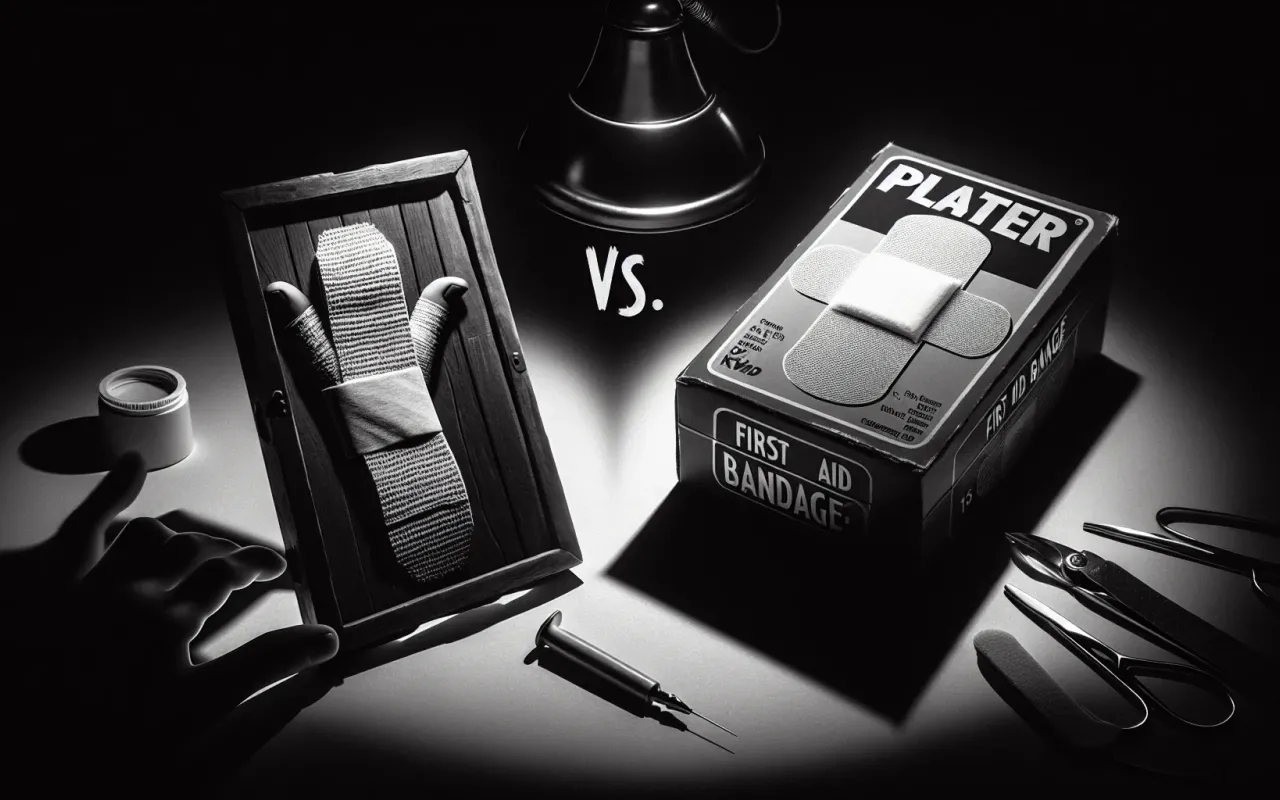
Discover the differences between first aid bandages and plasters, and learn which one to use for various injuries.
- September 1, 2024
When faced with minor injuries, choosing the right tool for care can significantly impact healing and comfort. Two of the most commonly used items in first aid are bandages and plasters. But how do you know which one to use? In this article, we will delve into the differences between first aid bandages and plasters, their appropriate applications, and how to make the best choice for your needs.
Understanding First Aid Bandages
First aid bandages are versatile items designed to protect wounds and aid in the healing process. They are typically long strips of fabric or gauze that can be wrapped around various parts of the body. Here are some common types and uses:
Types of First Aid Bandages
- Elastic Bandages: Often used for sprains and strains to provide compression and reduce swelling.
- Gauze Bandages: Used for larger wounds and burns. They absorb exudate and help keep the wound clean.
- Adhesive Bandages: These come with a sticky surface and can adhere directly to the skin to cover minor cuts and scrapes.
Understanding Plasters
Plasters, also known as adhesive bandages or sticking plasters, are smaller and specifically designed to cover and protect minor wounds. They are generally pre-made and ready-to-use, consisting of an adhesive strip with a central pad. Here are some variations and their uses:
Types of Plasters
- Fabric Plasters: Flexible and breathable, ideal for joints and areas that move.
- Waterproof Plasters: Suitable for wet conditions, ensuring the wound stays dry.
- Blister Plasters: Provide cushioning and protection for blisters.
- Specialized Plasters: Include those with antiseptic pads or hypoallergenic materials for sensitive skin.
When to Use a First Aid Bandage vs. a Plaster
Choosing between a first aid bandage and a plaster depends on the nature and location of the injury, and the specific benefits provided by each option.
Minor Cuts and Scrapes
Plaster: These are generally sufficient for minor cuts and scrapes. The adhesive pad protects the wound from dirt and bacteria while promoting healing. Opt for a plaster that fits comfortably without restricting movement.
Large or Deep Wounds
First Aid Bandage: For larger or deeper wounds, bandages provide more comprehensive coverage and absorbent material to manage exudate. Gauze bandages, in particular, are effective for such injuries.
Sprains and Strains
First Aid Bandage: Elastic bandages are ideal for these injuries as they offer both compression and support to the affected area, helping to reduce swelling and stabilize the joint.
Blisters
Plaster: Specialized blister plasters provide cushioning and protection from further friction, promoting faster healing and preventing discomfort.
How to Apply First Aid Bandages and Plasters
Proper application is essential for the effectiveness of first aid bandages and plasters. Here are step-by-step guidelines:
Applying a First Aid Bandage
- Clean the Wound: Rinse with clean water and gently pat dry.
- Apply Antiseptic: Use an antiseptic to prevent infection.
- Place a Sterile Pad: Position a sterile pad directly over the wound.
- Wrap the Bandage: Carefully wrap the bandage around the pad and the injury site, ensuring it’s snug but not too tight.
- Secure the Bandage: Use medical tape or the bandage’s built-in fasteners to secure it in place.
Applying a Plaster
- Clean the Wound: As with bandages, start with cleaning the wound thoroughly.
- Dry the Skin: Ensure the surrounding skin is dry for better adhesion.
- Apply Antiseptic: Use an antiseptic if desired.
- Position the Plaster: Center the plaster’s pad over the wound, pressing the adhesive sides firmly to the skin.
Common Mistakes to Avoid
When using first aid bandages and plasters, it’s important to avoid common mistakes that can hinder healing or cause discomfort:
- Over-tightening Bandages: This can restrict blood flow and exacerbate swelling.
- Neglecting to Change Dressings: Wound dressings should be changed regularly to prevent infection and monitor healing.
- Using Inappropriate Sizes: Ensure the bandage or plaster covers the wound adequately without excess material that could loosen or irritate the skin.
- Ignoring Allergies: Some adhesives or materials can cause allergic reactions; opt for hypoallergenic options if necessary.
Conclusion
Both first aid bandages and plasters are essential tools in wound care, each serving specific purposes. By understanding their differences and applications, you can better manage injuries and promote effective healing. Always ensure proper cleaning and application techniques to avoid complications and expedite recovery.
Whether dealing with minor cuts, larger wounds, or sprains, having the right supplies and knowledge will equip you to handle a variety of first aid situations confidently. Choose wisely and stay prepared for any first aid needs you may encounter.