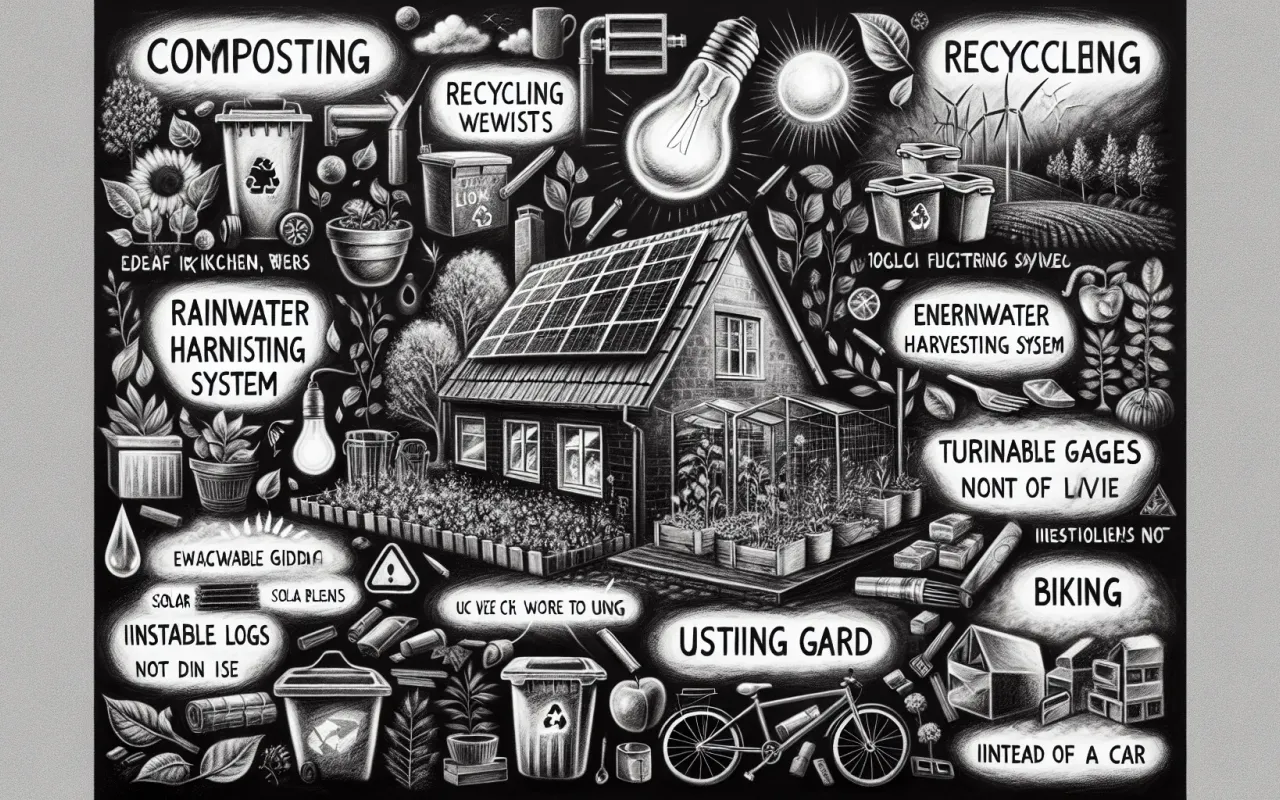
Discover 10 essential sustainable home living tips that will help you create an eco-friendly lifestyle, reduce your carbon footprint, and promote a healthier environment.
- August 26, 2024
Introduction
In today's world, adopting sustainable home living practices is more critical than ever. Growing awareness about climate change and environmental degradation has compelled many individuals and families to seek ways to minimize their ecological footprint. In this article, we will explore ten essential sustainable home living tips that can help you transition to an eco-friendly lifestyle.
1. Embrace Energy Efficiency
One of the primary pillars of sustainable home living is energy efficiency. Reducing energy consumption not only lowers utility bills but also minimizes environmental impact. Here are some ways to enhance energy efficiency:
- Install LED Bulbs: Replace incandescent bulbs with LED lights as they consume significantly less energy and last longer.
- Use Energy-Efficient Appliances: Opt for appliances labeled with the Energy Star certification to ensure lower energy consumption.
- Smart Thermostats: Utilize smart thermostats to optimize heating and cooling, thus saving energy.
2. Reduce Water Consumption
Water conservation is another critical aspect of sustainable home living. Simple changes in daily habits can lead to significant water savings:
- Install Low-Flow Fixtures: Use low-flow showerheads and faucets to reduce water use without compromising on functionality.
- Fix Leaks: Regularly inspect and repair leaks in plumbing systems to prevent water wastage.
- Efficient Landscaping: Opt for drought-resistant plants and utilize drip irrigation systems to minimize water use in gardens.
3. Adopt Renewable Energy Sources
Shifting to renewable energy sources is a powerful step towards sustainability. Here are some options to consider:
- Solar Panels: Install solar panels to harness the sun's energy and reduce reliance on fossil fuels.
- Wind Turbines: If feasible, small wind turbines can be another excellent renewable energy option.
- Green Energy Programs: Enroll in green energy programs offered by utility providers to support renewable energy projects.
4. Minimize Waste
Waste reduction is crucial for sustainable home living. Consider these strategies to minimize waste:
- Composting: Convert kitchen scraps and yard waste into nutrient-rich compost instead of discarding them.
- Recycling: Implement a robust recycling system to ensure materials like paper, glass, and plastics are properly recycled.
- Reduce Single-Use Items: Avoid single-use plastics and opt for reusable items such as shopping bags, water bottles, and containers.
5. Choose Sustainable Building Materials
When renovating or building, selecting sustainable materials can significantly impact your home's eco-friendliness:
- Recycled Materials: Use recycled or reclaimed materials like reclaimed wood or recycled metal for construction and furnishings.
- Eco-Friendly Insulation: Opt for insulation materials with a lower environmental impact, such as cellulose or sheep's wool.
- Low-VOC Paints: Use paints with low volatile organic compounds (VOCs) to improve indoor air quality.
6. Support Local and Sustainable Products
Purchasing locally-produced and sustainably-sourced products helps reduce the carbon footprint associated with transportation and supports ethical practices:
- Local Produce: Buy fruits, vegetables, and other goods from local farmers' markets.
- Sustainably-Sourced Materials: Choose items made from materials that are harvested or produced sustainably.
- Eco-Friendly Cleaning Products: Utilize environmentally-friendly cleaning products that are biodegradable and non-toxic.
7. Promote Indoor Air Quality
Maintaining good indoor air quality is essential for a healthy and sustainable home. Strategies to achieve this include:
- House Plants: Incorporate house plants that naturally purify the air.
- Avoid Chemical-Based Products: Minimize the use of products that release harmful chemicals into the air, such as certain cleaning supplies and air fresheners.
- Ventilation: Ensure your home is well-ventilated to allow fresh air circulation.
8. Efficiently Manage Heating and Cooling
Proper management of heating and cooling systems can considerably enhance your home's energy efficiency:
- Insulation: Ensure your home is well-insulated to maintain temperature and reduce the need for extensive heating or cooling.
- Programmable Thermostat: Use a programmable thermostat to schedule your heating and cooling systems efficiently.
- Regular Maintenance: Regularly maintain HVAC systems to ensure they operate efficiently.
9. Create an Eco-Friendly Garden
An eco-friendly garden can contribute significantly to a sustainable lifestyle. Here are some ideas:
- Native Plants: Plant native species that require less water and maintenance.
- Composting: Use compost to enrich the soil naturally.
- Rainwater Harvesting: Install rain barrels to collect and utilize rainwater for garden irrigation.
10. Educate and Involve Your Household
Lastly, fostering a culture of sustainability within your household is essential. Encourage family members to adopt eco-friendly habits:
- Lead by Example: Demonstrate sustainable practices to inspire others.
- Educational Resources: Provide resources and information about sustainability to your family.
- Engage in Discussions: Regularly discuss and brainstorm new ways to enhance sustainability at home.
Conclusion
Transitioning to a sustainable home living does not have to be overwhelming. By implementing these ten essential tips, you can make significant strides towards an eco-friendly lifestyle. Remember, every small change contributes to a healthier environment and a more sustainable future. Start today and enjoy the long-term benefits of sustainable living.