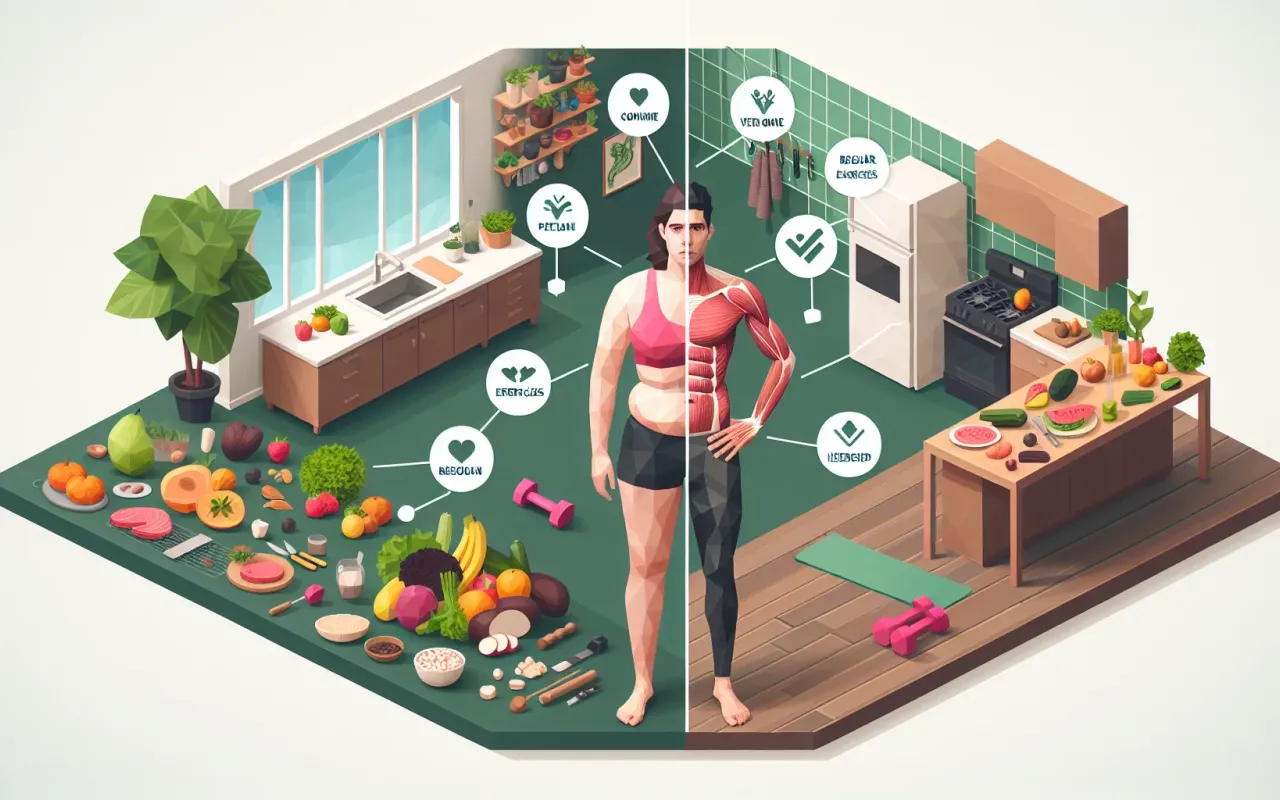
Discover the comprehensive guide to transforming your body through a vegan lifestyle and fitness. Learn practical tips, nutritional advice, and effective workouts to achieve your health goals.
- August 26, 2024
AceShowbiz - Embarking on a journey towards better health and fitness can be both exciting and overwhelming, especially when adopting a vegan lifestyle. This comprehensive guide will provide you with the knowledge, tips, and strategies you need to succeed.
Understanding the Vegan Lifestyle
The vegan lifestyle involves abstaining from consuming animal products and by-products. This choice is often driven by ethical, environmental, or health reasons. Transitioning to a vegan diet can have numerous benefits, including improved heart health, weight loss, and a reduced risk of certain chronic diseases.
Health Benefits of a Vegan Lifestyle
A vegan diet that is rich in whole foods such as fruits, vegetables, legumes, nuts, and seeds can provide a variety of health benefits:
- Heart Health: Vegan diets are typically lower in saturated fats and cholesterol, which are beneficial for cardiovascular health.
- Weight Management: Plant-based diets tend to be lower in calories, which can aid in weight loss and management.
- Reduced Risk of Chronic Diseases: Consuming a variety of plant foods can lower the risk of diseases such as Type 2 diabetes and certain types of cancer.
Integrating Fitness into Your Vegan Lifestyle
A common misconception is that a vegan diet cannot support an active and athletic lifestyle. Contrary to this belief, many athletes thrive on a vegan diet. The key is to ensure that you are getting adequate nutrition to fuel your workouts and support recovery.
Essential Nutrients for Vegan Athletes
To maintain optimal performance and health, it is crucial to pay attention to the following nutrients:
- Protein: Foods like lentils, chickpeas, quinoa, tofu, and tempeh are excellent sources of plant-based protein.
- Iron: Leafy greens, legumes, seeds, and fortified cereals can provide the necessary iron, which is vital for oxygen transport in the body.
- Vitamin B12: As B12 is primarily found in animal products, supplementation or fortified foods are recommended for vegans.
- Omega-3 Fatty Acids: Flaxseeds, chia seeds, and walnuts are great plant sources of Omega-3s.
Creating a Balanced Vegan Fitness Routine
Developing a fitness routine that complements your vegan lifestyle involves balancing cardio, strength training, and flexibility exercises.
Cardio: Activities such as running, cycling, and swimming are excellent for cardiovascular health and endurance.
Strength Training: Include exercises like weight lifting, resistance band workouts, and bodyweight exercises to build and maintain muscle mass.
Flexibility and Mobility: Incorporate practices like yoga and stretching to improve flexibility and prevent injuries.
Overcoming Common Challenges
While adopting a vegan lifestyle and maintaining a fitness routine can be rewarding, it does come with its challenges. Here are some solutions to common issues:
Meeting Caloric Needs
Some individuals might find it challenging to consume enough calories on a vegan diet. Focus on nutrient-dense foods like nuts, seeds, avocados, and whole grains to meet your energy requirements.
Ensuring Adequate Protein Intake
Plan your meals around high-protein plant foods and consider using protein supplements such as pea protein or hemp protein if necessary.
Dealing with Social Situations
Social gatherings can sometimes pose challenges for vegans. Be proactive by informing hosts about your dietary preferences or bringing your own vegan dishes to share.
Practical Tips for Success
Here are some actionable tips to help you thrive on a vegan lifestyle while maintaining your fitness goals:
- Meal Prep: Plan and prepare your meals in advance to ensure you always have healthy, vegan options available.