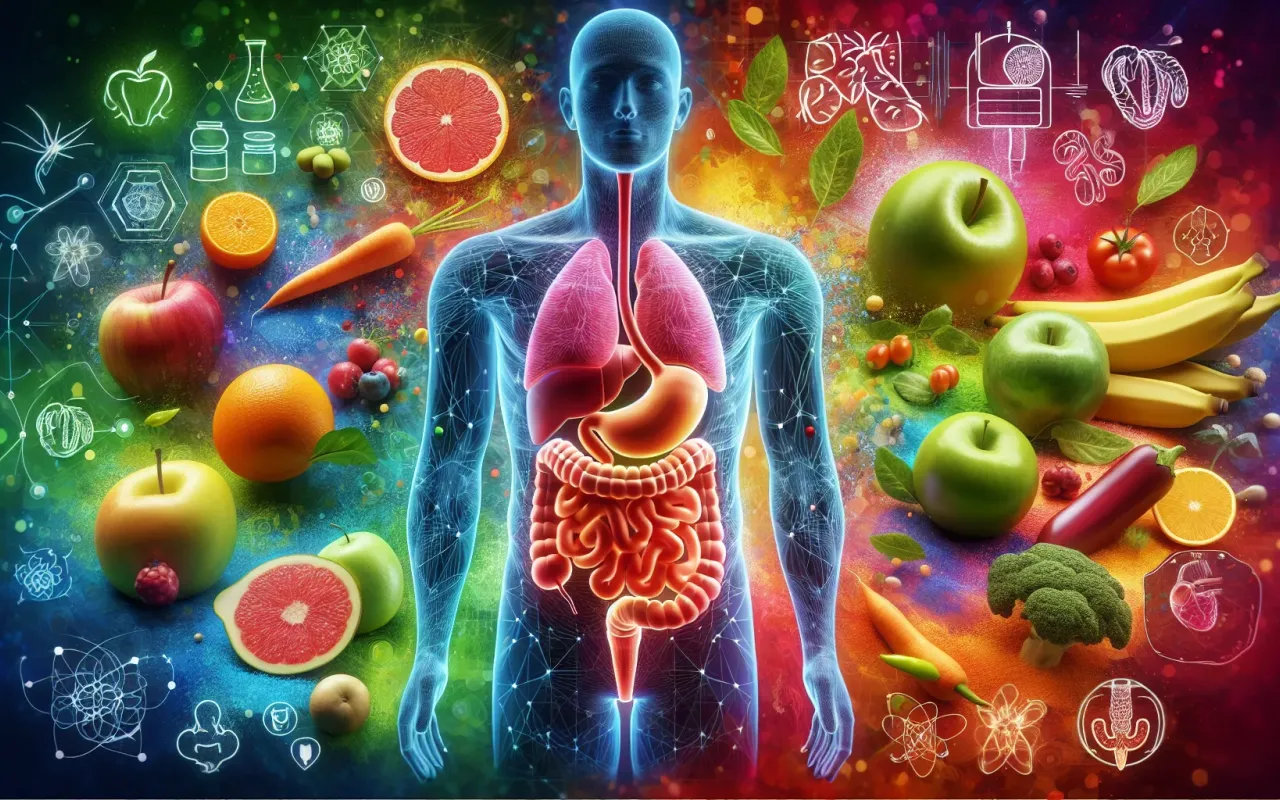
Explore the numerous plant-based diet benefits for digestive health, including improved gut microbiome, reduced inflammation, and better nutrient absorption. Learn how plant-based foods can enhance your gastrointestinal wellbeing.
- August 24, 2024
AceShowbiz - Digestive health is an essential component of overall wellness, and maintaining a balanced diet plays a pivotal role in achieving it. The benefits of a plant-based diet for digestive health have been increasingly recognized by health experts and scientific studies alike. In this comprehensive guide, we will delve into how a plant-based diet can transform your digestive system, improve gut microbiome balance, and promote overall gastrointestinal wellbeing.
Understanding Digestive Health
Before we explore the plant-based diet benefits for digestive health, it is crucial to understand what digestive health entails. Digestive health refers to the optimal functioning of the gastrointestinal tract, including the stomach, intestines, and all supporting organs involved in digestion and nutrient absorption. Key indicators of good digestive health are regular bowel movements, reduced bloating and gas, and minimal discomfort.
What is a Plant-Based Diet?
A plant-based diet primarily emphasizes the consumption of foods derived from plants, including vegetables, fruits, whole grains, nuts, seeds, and legumes. Unlike vegetarian or vegan diets, which might strictly exclude animal products, a plant-based diet may allow for some flexibility, focusing instead on maximizing plant foods while minimizing or avoiding meat and dairy products.
Key Components of a Plant-Based Diet:
- Vegetables: Rich in fiber, vitamins, and minerals.
- Fruits: High in antioxidants and essential nutrients.
- Whole Grains: Excellent source of complex carbohydrates and fiber.
- Nuts and Seeds: Packed with healthy fats, protein, and micronutrients.
- Legumes: Offer plant-based protein and fiber.
Plant-Based Diet Benefits for Digestive Health
1. Improved Gut Microbiome
The gut microbiome consists of trillions of bacteria, fungi, and other microbes residing in the digestive tract. A diverse and balanced gut microbiome is critical for digestive health, immune function, and overall well-being. Plant-based foods, particularly those high in fiber, serve as prebiotics that feed beneficial gut bacteria, promoting their growth and diversity.
Scientific studies have shown that individuals following a plant-based diet tend to have a more diverse gut microbiome. This diversity supports better digestion, nutrient absorption, and protection against gastrointestinal diseases.
2. Enhanced Fiber Intake
One of the standout plant-based diet benefits for digestive health is increased fiber intake. Dietary fiber, found abundantly in plant foods, adds bulk to the stool and promotes regular bowel movements, reducing the risk of constipation and other digestive disorders.
There are two types of fiber:
- Soluble Fiber: Dissolves in water, forming a gel-like substance that slows digestion, aiding nutrient absorption and blood sugar regulation. Found in oats, apples, and beans.
- Insoluble Fiber: Does not dissolve in water, adding bulk to stool and speeding up the passage of food through the digestive tract. Found in whole grains, nuts, and vegetables.
A diet rich in both types of fiber supports a healthy digestive system by facilitating smoother digestion and preventing common gastrointestinal issues such as hemorrhoids and diverticulitis.
3. Reduced Inflammation
Chronic inflammation in the digestive tract can lead to various health problems, including inflammatory bowel disease (IBD), irritable bowel syndrome (IBS), and colorectal cancer. A plant-based diet, rich in antioxidants and anti-inflammatory compounds, can help mitigate inflammation in the gut.
Fruits, vegetables, nuts, and seeds are packed with polyphenols and other anti-inflammatory agents that help reduce inflammation at a cellular level. Regular consumption of these foods can contribute to long-term digestive health and overall disease prevention.
4. Improved Nutrient Absorption
Efficient nutrient absorption is vital for maintaining energy levels, supporting immune function, and overall health. Plant-based diets are naturally high in essential vitamins and minerals, such as Vitamin C, Vitamin E, potassium, and magnesium, which are crucial for optimal nutrient absorption.
Moreover, the anti-inflammatory properties of plant-based foods contribute to a healthier gut lining, ensuring better absorption of nutrients. This can alleviate common deficiencies and enhance overall health.
5. Lower Risk of Gastrointestinal Disorders
Numerous studies indicate that a plant-based diet reduces the risk of developing various gastrointestinal disorders, including diverticular disease, colorectal cancer, and gallstones. The high-fiber content, along with the abundance of anti-inflammatory and antioxidant compounds, play significant roles in protecting against these conditions.
Additionally, the reduction or elimination of animal fats and processed foods, which are often linked to negative gastrointestinal effects, further lowers the risk of such disorders.
Challenges and Considerations
While the plant-based diet benefits for digestive health are impressive, it is essential to consider some challenges:
1. Nutrient Deficiencies
Though a well-planned plant-based diet can provide most nutrients, there are some that may be lacking, such as Vitamin B12, iron, and omega-3 fatty acids. It is important to monitor these nutrients and consider supplements or fortified foods if necessary.
2. Initial Digestive Adjustments
Switching to a high-fiber plant-based diet can initially cause bloating and gas as the digestive system adjusts. Gradual incorporation of fiber-rich foods and adequate hydration can help mitigate these symptoms.
Conclusion
Adopting a plant-based diet offers numerous digestive health benefits, including improved gut microbiome diversity, enhanced fiber intake, reduced inflammation, better nutrient absorption, and a lower risk of gastrointestinal disorders. While some considerations are necessary to address potential nutrient deficiencies and initial digestive adjustments, the long-term advantages are compelling. By prioritizing plant-based foods, individuals can support their digestive health and overall well-being, fostering a healthier, more balanced lifestyle.