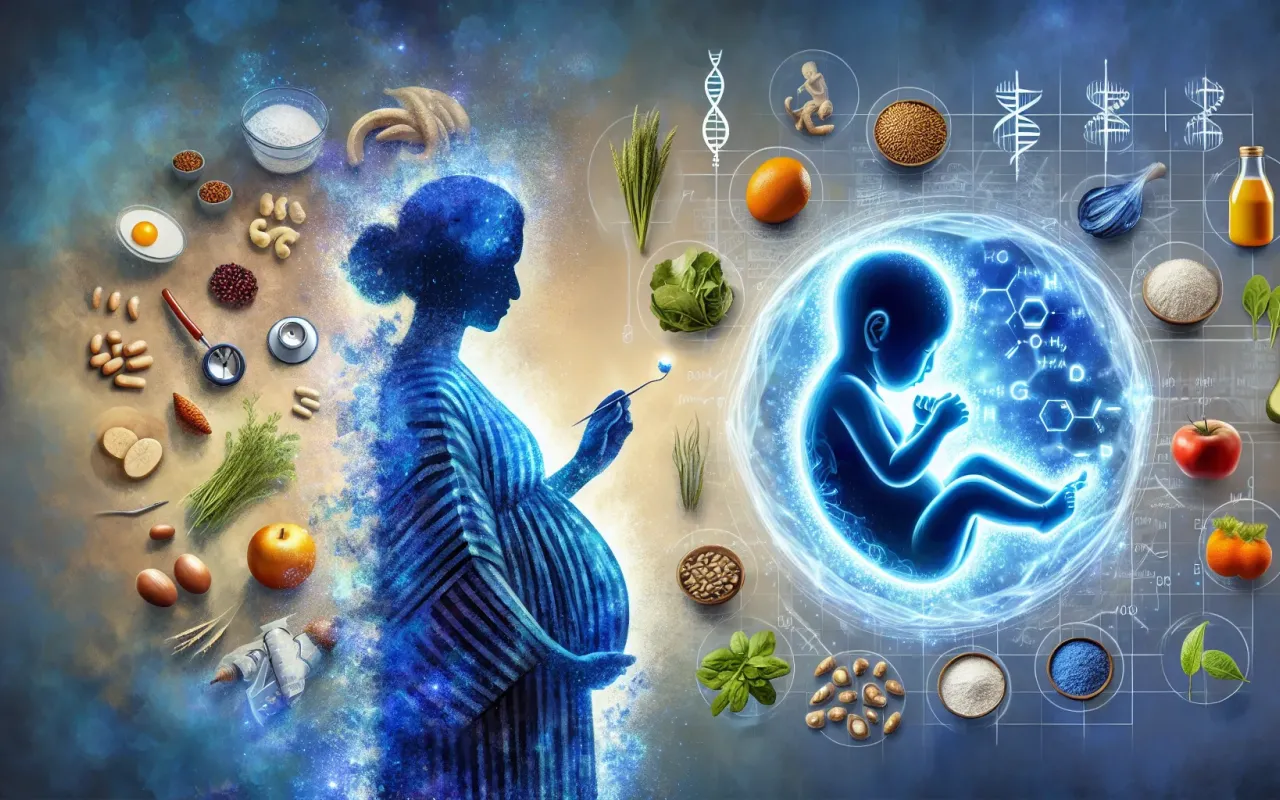
Explore the critical effects of iodine on pregnancy and fetal development. This comprehensive article delves into the essential role of iodine, its benefits, and potential risks.
- August 23, 2024
Iodine, a trace element essential for human health, plays a pivotal role in pregnancy and fetal development. This article delves deep into the effects of iodine on pregnancy and fetal development, offering crucial insights for expectant mothers and healthcare providers. With a professional and authoritative approach, this piece ensures you understand the significant impacts of iodine, how to achieve adequate iodine levels, and the potential risks of deficiency.
The Role of Iodine in Human Health
Iodine is fundamental for the synthesis of thyroid hormones, which are critical in regulating metabolism, growth, and development. Adequate iodine intake is particularly important during pregnancy and early life, as insufficient levels can lead to several health issues for both mother and child.
Iodine Requirements During Pregnancy
Pregnant women have increased iodine requirements to support the heightened demands of the thyroid gland, as well as the developing fetus. The World Health Organization (WHO) recommends an intake of approximately 250 micrograms of iodine per day for pregnant women.
Effects of Iodine Deficiency in Pregnancy
Cognitive Impairments in Newborns
Iodine deficiency during pregnancy can result in insufficient production of maternal thyroid hormones, leading to cognitive impairments in newborns. Research has shown that children born to iodine-deficient mothers have lower IQ levels and impaired motor skills.
Increased Risk of Pregnancy Complications
Lack of iodine can lead to an increased risk of pregnancy complications such as preterm birth, preeclampsia, and stillbirth. Ensuring adequate iodine intake is thus crucial for a healthy pregnancy.
The Importance of Iodine for Fetal Development
Brain Development
The developing fetal brain is highly sensitive to thyroid hormones, which depend on adequate iodine levels. Iodine is essential for the proper formation of neurons and the myelination of nerve fibers, critical processes for brain development.
Physical Growth and Development
Iodine contributes to the regulation of critical growth factors, influencing fetal growth and skeletal development. Deficiency can lead to growth retardation and other physical development issues.
Sources of Iodine
Dietary Sources
To meet iodine requirements, pregnant women should focus on consuming iodine-rich foods such as:
- Seafood (fish, shellfish)
- Dairy products (milk, cheese, yogurt)
- Eggs
- Iodized salt
Supplements
In cases where dietary intake may be insufficient, iodine supplements can be beneficial. However, it is essential to consult with a healthcare provider before starting any supplementation to avoid excessive intake, which can also be harmful.
Monitoring and Ensuring Adequate Iodine Levels
Regular monitoring of iodine levels during pregnancy can help ensure both mother and child receive adequate iodine. Simple urine tests can indicate iodine deficiency, allowing for timely intervention and adjustment of dietary intake or supplementation.
Conclusion
The critical effects of iodine on pregnancy and fetal development cannot be overstated. Adequate iodine levels are paramount for the healthy growth and cognitive development of the fetus, as well as the overall well-being of the mother. By incorporating iodine-rich foods into their diet and consulting healthcare providers about potential supplementation, expectant mothers can significantly reduce the risk of complications related to iodine deficiency. For anyone involved in prenatal care, understanding the role of iodine is essential for promoting healthy pregnancies and optimal fetal development.