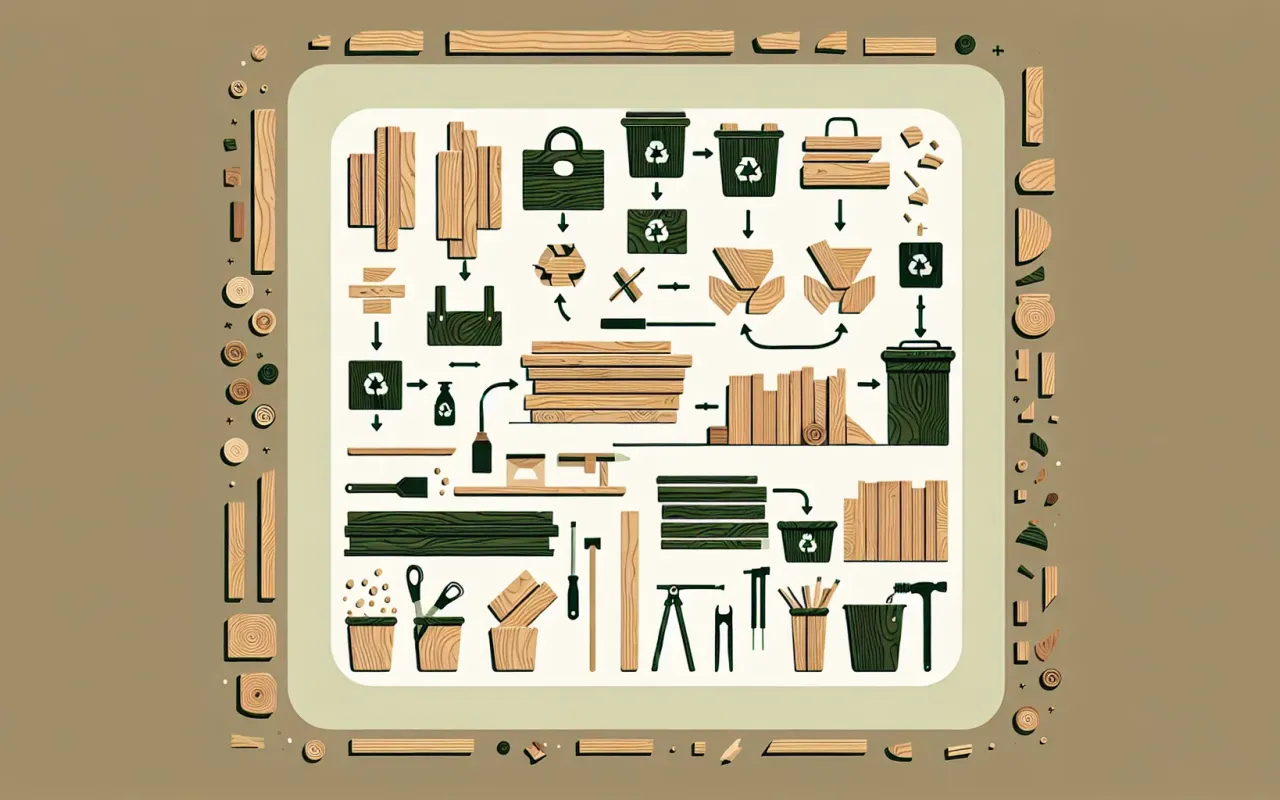
Learn how to recycle wood for DIY projects with our step-by-step guide. Discover sustainable crafting techniques to give new life to old wood.
- August 22, 2024
AceShowbiz - Wood recycling is not only an environmentally conscious decision but also an excellent way to create unique and personal DIY projects. This guide will walk you through the process of recycling wood for DIY and teach you sustainable crafting techniques that can transform old wood into beautiful, functional items. Let's dive into the art of repurposing wood!
Why Recycle Wood for DIY Projects?
Recycling wood has numerous benefits, both for you and the environment. Here are a few key reasons to consider:
- Environmental Impact: Reduces waste in landfills and conserves natural resources.
- Cost Efficiency: Saves money by reusing materials instead of buying new ones.
- Unique Results: Provides character and uniqueness to your projects.
- Skill Development: Enhances your craftsmanship and problem-solving abilities.
Step-by-Step Guide to Recycling Wood for DIY
1. Sourcing Reclaimed Wood
The first step in any wood recycling project is to source your reclaimed wood. Here are some common places to find quality wood:
- Old Furniture: Broken or unwanted furniture can offer good quality wood.
- Construction Sites: Scrap wood from construction or demolition sites can often be repurposed.
- Garage Sales and Flea Markets: These places can be treasure troves for finding wooden items.
- Online Marketplaces: Websites like Craigslist or Facebook Marketplace often have free or cheap wood.
2. Preparing and Cleaning the Wood
Once you have your wood, preparation is crucial. Follow these steps to get your wood ready for use:
- Remove Nails and Screws: Use a claw hammer or pliers to pull out any metal fasteners.
- Sand the Surface: Sanding removes dirt and old finishes, making the wood smoother and easier to work with.
- Inspect for Damage: Check for rot, cracks, or insect damage and cut away any compromised areas.
- Wash the Wood: Clean the wood with a mild soap and water solution to remove residue and ensure a fresh start.
3. Planning Your Project
Before you start cutting and assembling, plan your project thoroughly. Consider the following:
- Design and Dimensions: Sketch your project and determine the exact size and shape of each piece.
- Tools and Materials: Make a list of the tools and additional materials you'll need (e.g., nails, glue, paint).
- Joinery Techniques: Decide which joinery method suits your project best (e.g., dowels, screws, glue).
4. Cutting and Assembling
With your plan in place, you can start transforming your wood. Follow these steps:
- Measure Twice, Cut Once: This old adage holds true to avoid wasting any valuable wood.
- Use Appropriate Saw Blades: Ensure you're using the right saw blade for the type and thickness of wood.
- Dry Fit: Before final assembly, piece the project together without nails or glue to ensure everything fits.
- Secure Pieces: Once everything fits, attach the parts using your chosen joinery method.
5. Finishing Touches
To ensure your project looks polished and professional, consider these finishing steps:
- Sanding: Sand the entire project to smooth out any rough edges.
- Staining or Painting: Apply your chosen finish to protect the wood and enhance its appearance.
- Sealant: Use a sealant to protect the wood from moisture and wear.
- Hardware: Add any necessary hardware like handles or hinges to complete your project.
Tips and Tricks for Sustainable Crafting
Here are some additional tips to enhance your wood recycling and DIY experience:
- Think Outside the Box: Don’t be afraid to get creative and think of unconventional uses for your reclaimed wood.
- Batch Projects: If you have a lot of wood, plan several projects to maximize resource use.
- Join DIY Communities: Join online forums or local clubs to share ideas and tips with other DIY enthusiasts.
- Documentation: Document your process with photos and notes. This helps improve your skills for future projects.
Conclusion
Sustainable crafting through wood recycling is a rewarding and environmentally friendly hobby. By sourcing reclaimed wood, preparing it correctly, and following a well-thought-out plan, you can create beautiful, unique DIY projects. Remember, the key to successful wood recycling lies in creativity, patience, and attention to detail. Happy crafting!