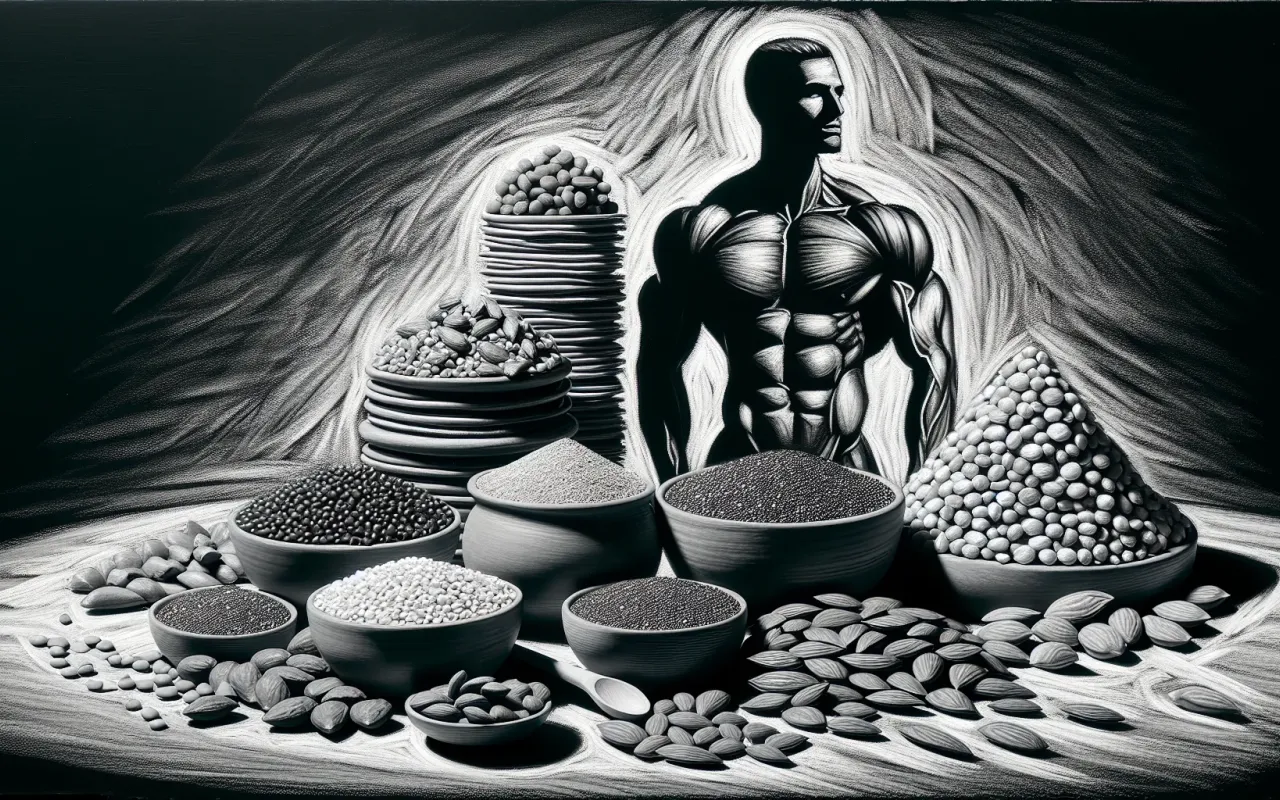
Discover the top plant protein sources for athletes to optimize your diet and enhance performance. Learn which plant-based foods provide the best protein for your training needs.
- August 15, 2024
Athletes require sufficient protein intake to support muscle repair, growth, and overall performance. While animal-based proteins have traditionally been favored, plant protein sources offer numerous benefits, including reduced inflammation, lower risk of heart disease, and environmental sustainability. This article explores the best plant protein sources for athletes, guiding you to make informed dietary choices that enhance your training and recovery.
Understanding Plant Protein and its Benefits
Plant-based proteins provide essential amino acids that are crucial for muscle synthesis and repair. Although some plant proteins may be classified as incomplete due to missing certain amino acids, consuming a variety of plant-based foods can ensure a complete amino acid profile.
Top Plant Protein Sources for Athletes
1. Lentils
Lentils are a fantastic source of protein, with approximately 18 grams of protein per cooked cup. They also contain high levels of iron, fiber, and folate, making them an excellent choice for athletes who need to maintain their energy levels and support muscle recovery.
2. Quinoa
Quinoa is a complete protein, meaning it contains all nine essential amino acids. One cup of cooked quinoa provides around 8 grams of protein, along with a healthy mix of fiber, magnesium, and manganese. Its versatility makes it a great addition to salads, bowls, and even breakfast dishes.
3. Chickpeas
Chickpeas, or garbanzo beans, offer about 15 grams of protein per cooked cup. They are also rich in fiber and essential nutrients like iron and potassium. Chickpeas can be used in a variety of dishes, including hummus, stews, and salads.
4. Edamame
Edamame, or young soybeans, are another potent plant protein source, providing roughly 17 grams of protein per cooked cup. In addition to protein, edamame offers a good amount of fiber, vitamins, and minerals, making it a nutritious snack or addition to meals.
5. Chia Seeds
Chia seeds pack a protein punch with about 5 grams of protein per ounce. They are also rich in omega-3 fatty acids, fiber, and various micronutrients. Chia seeds can be added to smoothies, yogurt, or used to make chia pudding.
6. Almonds
Almonds are a high-protein nut, offering around 6 grams of protein per ounce. They are also loaded with healthy fats, vitamin E, and magnesium. Almonds are a convenient snack and can be incorporated into various recipes for added protein.
7. Spirulina
Spirulina is a blue-green algae that is incredibly protein-dense, with one tablespoon providing about 4 grams of protein. It is also a rich source of antioxidants, B-vitamins, and iron. Spirulina can be added to smoothies or taken as a supplement to boost your protein intake.
8. Tofu
Tofu, made from soybeans, contains about 10 grams of protein per half-cup serving. It is a versatile ingredient that can be used in stir-fries, soups, and even desserts. Tofu is also a good source of calcium and iron, essential for bone health and oxygen transport.
9. Tempeh
Tempeh, another soy product, boasts a higher protein content than tofu, with around 21 grams of protein per cup. It also provides probiotics, which are beneficial for gut health, and is rich in fiber and vitamins. Its firm texture and nutty flavor make it a great addition to various dishes.
10. Peanuts and Peanut Butter
Peanuts and peanut butter offer around 7 grams of protein per ounce and 8 grams per two-tablespoon serving, respectively. They are also rich in healthy fats, vitamins, and minerals. Peanut butter can be spread on toast, added to smoothies, or used as a base for sauces.
Combining Plant Proteins for a Complete Amino Acid Profile
To ensure you get all essential amino acids, combine different plant-based protein sources throughout the day. Here are some effective combinations:
- Rice and beans
- Whole grain bread with peanut butter
- Lentils and quinoa
- Tofu stir-fry with mixed vegetables and rice
Practical Tips for Including Plant Proteins in Your Diet
Incorporating plant proteins into your diet can be straightforward with a few practical tips:
- Plan your meals to include a variety of plant-based proteins.
- Use plant proteins as the main ingredient in your meals.
- Experiment with new recipes and cooking methods.
- Snack on high-protein plant foods like almonds and edamame.
- Prepare bulk meals with plant proteins to save time during busy weeks.
Addressing Common Concerns
Some athletes may worry about getting enough protein solely from plant sources. However, with careful planning and a varied diet, it is entirely possible to meet protein needs with plant-based foods. Consult with a nutritionist or dietitian to tailor a diet plan that aligns with your specific requirements.
Additionally, consider supplementing with plant-based protein powders if you find it challenging to consume enough protein through whole foods alone.
Conclusion
The shift towards plant-based protein sources offers numerous health and environmental benefits without compromising on your protein needs. By incorporating a variety of plant proteins such as lentils, quinoa, chickpeas, and tempeh, athletes can optimize their diet for improved performance and recovery. Tailor your intake to ensure a complete amino acid profile, and experiment with diverse recipes to make your plant-based diet enjoyable and effective.