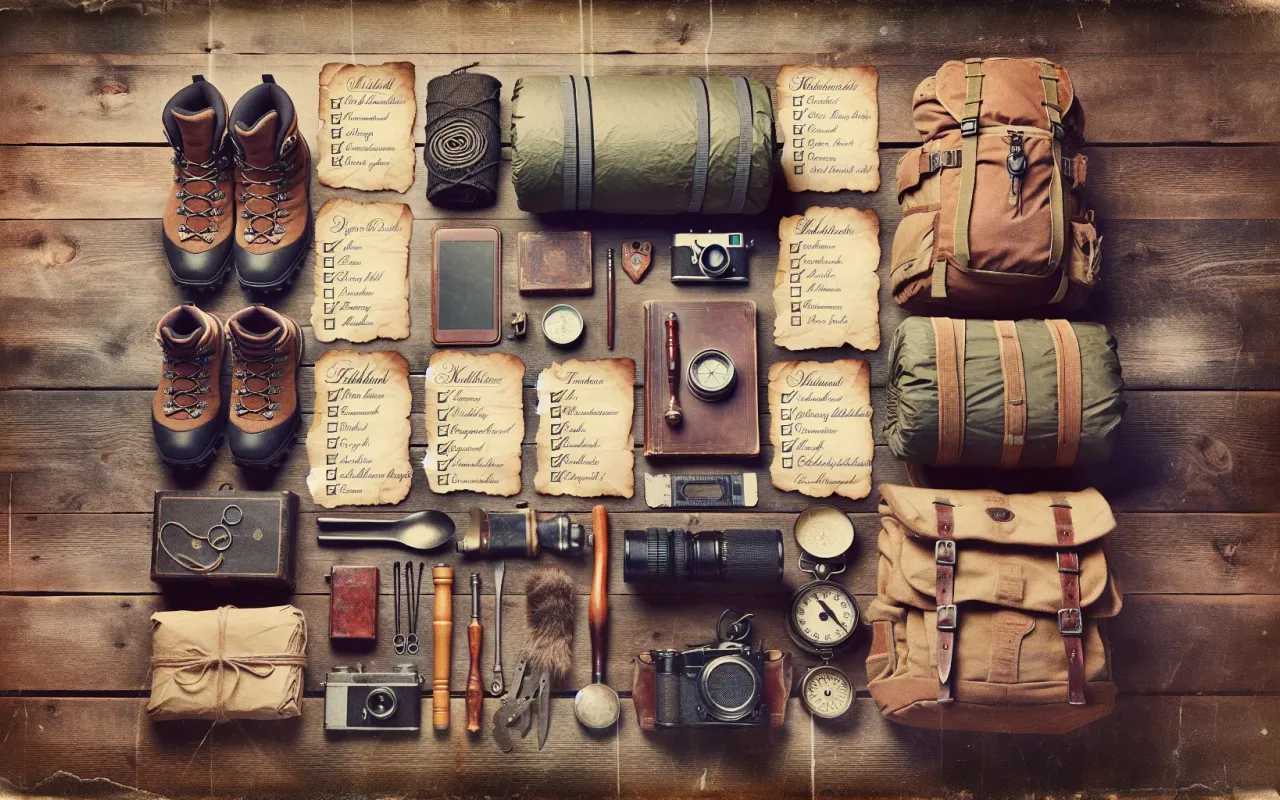
Discover the ultimate complete thru-hiking backpacking checklist. Learn essential gear and tips to ensure a successful and enjoyable hiking adventure.
- August 15, 2024
Introduction
Thru-hiking is an ambitious and rewarding adventure, demanding careful preparation and the right gear. Whether you're planning to tackle the Appalachian Trail, the Pacific Crest Trail, or any other long-distance trek, having a detailed and complete thru-hiking backpacking checklist is vital to your success. This guide covers all the essential backpacking gear you’ll need, ensuring you are well-prepared for your thru-hike.
Backpacking Gear Essentials
The core of a successful thru-hike rests on a few essential items. These fundamentals ensure safety, comfort, and efficiency on the trail.
Backpack
Choose a lightweight, durable backpack with a capacity of 40-60 liters. Ensure it has ergonomic designs, adjustable straps, and an efficient weight distribution system.
Sleeping System
- Sleeping Bag: Pick a sleeping bag rated for the coldest temperatures you'll encounter.
- Sleeping Pad: Opt for an inflatable or closed-cell foam pad for insulation and comfort.
- Shelter: Lightweight tents, tarps, or bivy sacks protect against the elements.
Clothing
Layering is crucial for adjusting to changing weather conditions:
- Base Layer: Moisture-wicking tops and bottoms.
- Mid Layer: Insulation such as fleece or down jackets.
- Outer Layer: Waterproof and windproof shell jackets and pants.
- Accessories: Include hats, gloves, and hiking socks.
Navigation and Electronics
Staying on the right path and maintaining communication is key.
- Maps and Compass: Reliable and traditional navigation tools.
- GPS Device: Handheld or wearable GPS units.
- Personal Locator Beacon (PLB): For emergency situations.
- Solar Charger: Keep your electronics charged on the go.
- Headlamp: A light source with extra batteries.
Food and Water
Sustenance is critical:
- Food: High-calorie, lightweight options like dehydrated meals, energy bars, and trail mix.
- Cooking System: Lightweight stove, fuel, pot, and utensils.
- Water Filtration: Water filter or purification tablets.
- Water Storage: Collapsible bottles or hydration reservoirs.
First Aid and Hygiene
Stay healthy and manage basic injuries:
- First Aid Kit: Include bandages, antiseptic, blister care, and any personal medications.
- Hygiene Items: Biodegradable soap, toothbrush and toothpaste, and hand sanitizer.
- Toiletry Kit: Minimum essentials for personal care.
- Trowel: For digging cat holes.
Emergency and Repair Kit
Be equipped for unforeseen incidents:
- Emergency Shelter: Lightweight space blanket or bivy.
- Fire Starters: Matches, lighter, and fire steel.
- Repair Kit: Include duct tape, multi-tool, and patch materials.
Miscellaneous Items
Additional items to consider:
- Trekking Poles: Reduce strain on knees and improve balance.
- Stuff Sacks: Organize and compress gear.
- Bandana: Multipurpose cloth for various uses.
- Journal and Pen: Record your journey and important notes.
Conclusion
Embarking on a thru-hike requires thorough preparation and the right gear. This complete thru-hiking backpacking checklist ensures you have everything necessary for a safe, comfortable, and enjoyable adventure. Proper gear can make the difference between a successful journey and a challenging one. Refer to this checklist to confidently prepare for your next thru-hiking expedition.