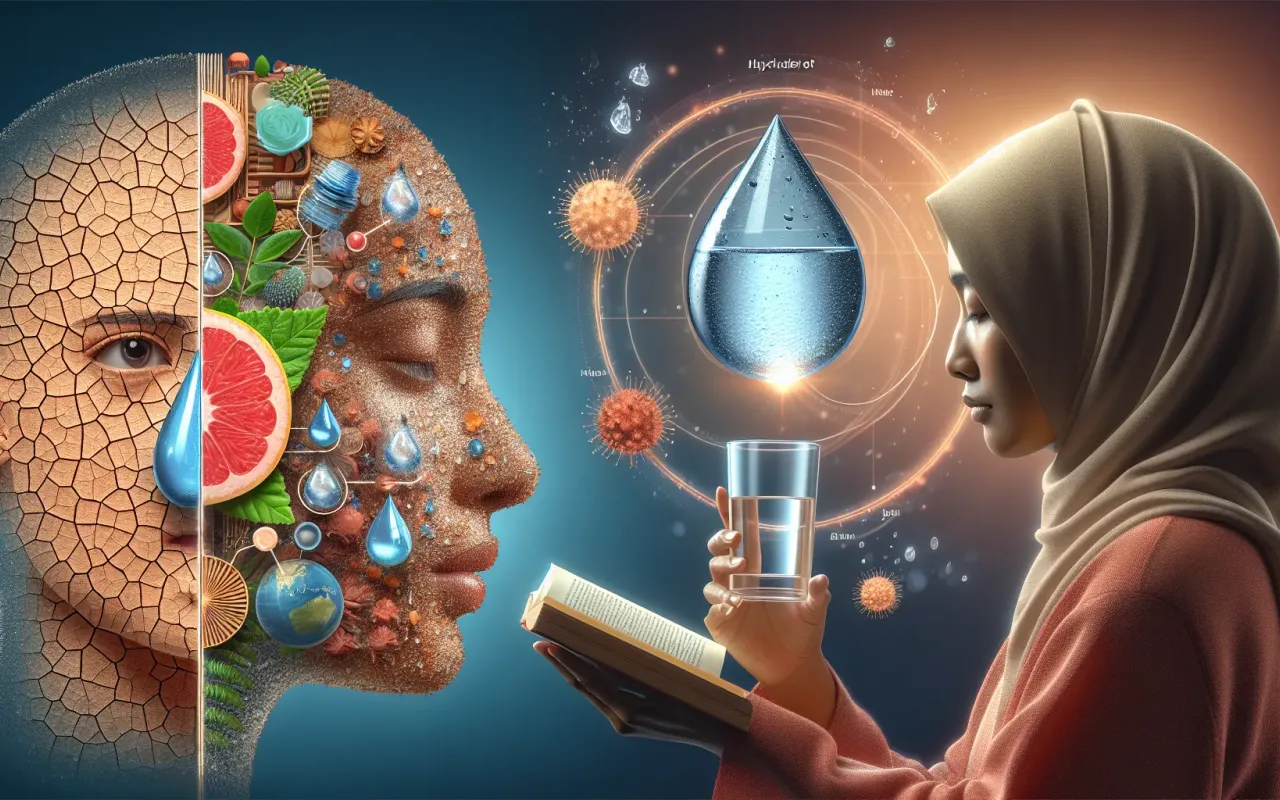
Discover how proper hydration can significantly impact your skin health and learn about the importance of hydration for maintaining healthy as well as glowing skin.
- August 1, 2024
Introduction
When it comes to maintaining healthy, glowing skin, hydration plays a crucial role. Often overlooked in the myriad of skincare routines and products, proper hydration from within can greatly influence the state of your skin. This comprehensive article delves into the importance of hydration for skin health, exploring why water is a key player in achieving your skincare goals.
The Science Behind Skin Hydration
Understanding Skin Structure
Before diving into the benefits of hydration, it is essential to understand the structure of the skin. The skin comprises three primary layers: the epidermis (the outermost layer), the dermis (the middle layer), and the hypodermis (the innermost layer). Each layer has a specific function, with the epidermis serving as a protective barrier.
Water is fundamental to the skin's structure, especially within the epidermis, where it supports the barrier function and helps keep the skin resilient and elastic. This barrier function is vital in preventing external irritants and pathogens from penetrating the skin.
How Hydration Affects Skin Cells
When you hydrate adequately, water reaches the skin cells, maintaining their plumpness and aiding in essential processes like cell turnover and repair. Conversely, dehydration can lead to dull, dry, and flaky skin, escalating to more severe issues like eczema and accelerated aging over time.
Benefits of Proper Hydration for Skin Health
1. Enhanced Skin Elasticity
Water is essential for maintaining the skin’s elasticity. Well-hydrated skin tends to remain firm and supple, reducing the appearance of fine lines and wrinkles. Hydration plumps up the skin cells, providing a smooth and youthful look.
2. Improved Complexion
Keeping your skin hydrated helps maintain an even skin tone and reduces redness and blotchiness. This hydration boosts circulation, which can improve overall skin tone and complexion.
3. Detoxification
Adequate hydration assists in flushing out toxins from your body. When your body is well-hydrated, it is more efficient in expelling harmful substances, leading to clearer skin with fewer breakouts.
4. Decreased Skin Sensitivity
Dehydrated skin is more prone to sensitivity and irritation. Proper hydration ensures that the skin's barrier function is intact, warding off environmental irritants and reducing sensitivity.
How to Maintain Proper Hydration for Skin Health
1. Drink Enough Water
The most direct way to stay hydrated is to drink plenty of water. Aim for at least eight 8-ounce glasses (about 2 liters) of water daily, although needs can vary based on individual factors like activity level and climate.
2. Eat Hydrating Foods
Incorporate hydrating foods into your diet, such as fruits and vegetables with high water content like cucumbers, watermelon, oranges, and strawberries. These foods not only hydrate but also provide essential nutrients for skin health.
3. Use Hydrating Skincare Products
Topical hydration is also crucial. Look for skincare products that contain hydrating ingredients such as hyaluronic acid, glycerin, and aloe vera. These ingredients help attract and retain moisture in the skin.
4. Avoid Dehydrating Substances
Limit intake of substances that can dehydrate your skin, such as caffeine and alcohol. These can increase fluid loss and contribute to dehydration.
5. Monitor Humidity Levels
Environmental factors like humidity significantly affect skin hydration. Use a humidifier during dry seasons or in arid climates to maintain optimal moisture levels in the air, supporting your skin’s hydration.
Signs of Dehydrated Skin
Identifying dehydrated skin is crucial for taking timely corrective actions. Common signs of dehydrated skin include:
- Itchiness
- Dull complexion
- Dark circles under the eyes
- Sunken eyes
- Mouth dryness and chapped lips
If you notice these symptoms, increasing your water intake and following the above hydration tips can help restore your skin's moisture balance.
Long-Term Benefits of Staying Hydrated
Consistent and adequate hydration offers long-term benefits beyond immediate skin health impacts. These include enhanced skin resilience, delayed signs of aging, and prolonged skin vitality. By making hydration a habitual part of your lifestyle, you're investing in a healthier, more youthful appearance for years to come.
Conclusion
The importance of hydration for skin health cannot be overstated. Proper hydration leads to improved skin elasticity, a better complexion, detoxification, and reduced sensitivity. Through a combination of drinking adequate water, eating hydrating foods, using appropriate skincare products, and managing environmental factors, you can meet your hydration needs and enjoy the benefits of healthy, radiant skin.
Make hydration a priority, and you'll not only feel better but look better too.